

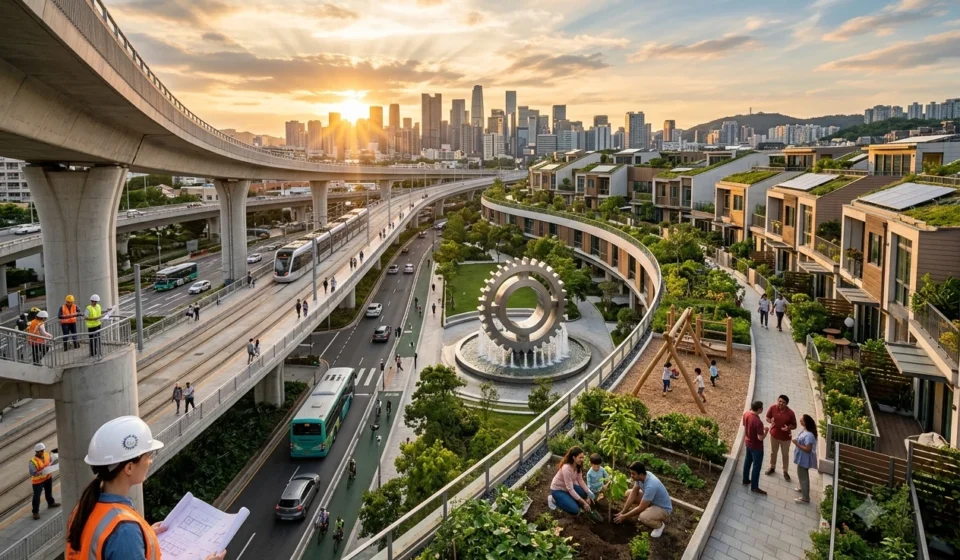

Communities often measure progress through the small changes people experience every day. A safer sidewalk for a wheelchair user. A renovated home that keeps a family warm during winter. A clean public gathering space where neighbors can meet with confidence. Rotary International has placed those practical improvements at the center of its latest community investment efforts, announcing a new wave of home renovation, accessibility, and sustainable municipal infrastructure projects across North America and Asia on July 31, 2026. The initiative reflects a growing commitment to community driven development that focuses on lasting quality of life rather than short term construction milestones.
Rotary broadens its focus on homes and public spaces
Rotary International has long been recognized for humanitarian service, disease prevention, education, and clean water initiatives. The latest announcement demonstrates how local clubs are also directing significant attention toward physical environments that influence daily living. From repairing aging homes to supporting inclusive public infrastructure, the projects seek practical outcomes that residents can experience immediately while providing benefits for years to come.
The new efforts span diverse regions throughout North America and Asia, allowing local Rotary clubs to respond to community priorities rather than applying a single universal model. Some locations require housing improvements for vulnerable families. Others need public spaces that better accommodate older adults and people living with disabilities. Municipal infrastructure projects are also expected to incorporate environmentally responsible planning that balances community growth with resource conservation.
Home renovation becomes a pathway toward stability
A safe home remains one of the strongest foundations for personal health, educational success, and financial security. Rotary supported renovation projects are designed to address structural repairs, accessibility upgrades, and improvements that make homes healthier and more resilient.
Many volunteer driven renovation initiatives focus on practical upgrades such as improved insulation, safer entrances, stronger roofing systems, better lighting, and modifications that allow older adults to remain in their homes longer. Accessibility improvements can include wider doorways, wheelchair ramps, handrails, and bathroom adaptations that restore independence while reducing injury risks.
For families already facing financial challenges, these improvements often remove barriers that would otherwise require expensive repairs or relocation. Community volunteers working alongside homeowners also strengthen neighborhood relationships by creating opportunities for shared service and local engagement.
Accessibility remains central to inclusive communities
One of the defining themes within the latest Rotary projects is accessibility. Inclusive design has become an increasingly important priority for cities and nonprofit organizations seeking to ensure that public facilities serve everyone regardless of age or physical ability.
Accessibility extends beyond wheelchair ramps. Well designed pedestrian crossings, tactile paving, improved lighting, safer pathways, accessible parks, and thoughtfully designed public buildings contribute to communities where more residents can participate fully in civic life.
Local governments increasingly recognize that accessible infrastructure benefits parents with strollers, older adults, delivery workers, travelers carrying luggage, and individuals recovering from injuries. Rotary projects supporting these improvements reinforce the broader principle that public spaces should remain welcoming for every member of society.
Sustainable municipal infrastructure supports future generations
Environmental responsibility also plays an important role within the newly announced projects. Sustainable municipal infrastructure can reduce maintenance costs while improving resilience against changing weather conditions and growing urban populations.
Depending on local priorities, infrastructure investments may include water efficient landscaping, improved drainage systems, energy efficient public lighting, environmentally responsible construction materials, and upgraded community facilities that reduce long term operating costs.
These improvements reflect a broader movement among nonprofit organizations and municipal leaders to develop infrastructure capable of serving communities without placing unnecessary pressure on future public budgets or natural resources.
Readers interested in broader sustainability principles can explore resources provided by the United Nations Sustainable Development Goals, which outline internationally recognized objectives related to resilient cities, responsible resource management, and inclusive development.
North America and Asia present different community priorities
Although Rotary’s newest initiatives share common objectives, implementation naturally varies across participating regions.
In North America, renovation efforts frequently address aging housing stock, accessibility improvements, neighborhood revitalization, and modernization of public facilities serving expanding populations. Community volunteers often work closely with local governments and nonprofit housing organizations to maximize available resources.
Across many parts of Asia, infrastructure priorities may include rapidly growing urban communities, disaster resilience, improved public services, accessibility expansion, and environmentally responsible development. Rotary clubs often collaborate with local authorities and community organizations to identify projects that reflect regional needs while respecting cultural traditions.
This localized planning model allows each project to produce meaningful community outcomes without relying upon standardized construction approaches that may not fit every location.
Volunteer service remains the driving force
Financial support represents only one component of Rotary’s community development strategy. Volunteer participation continues to distinguish many Rotary initiatives from traditional construction projects.
Members frequently contribute professional expertise alongside physical labor. Engineers, architects, healthcare professionals, educators, business leaders, and skilled tradespeople often donate time and specialized knowledge that improves project quality while reducing overall costs.
Volunteers also strengthen public confidence because residents witness neighbors investing directly in local improvements. That visible commitment often inspires additional community participation, charitable giving, and partnerships with local organizations.
Partnerships multiply local impact
Large community projects rarely succeed through the efforts of a single organization. Rotary commonly works alongside municipal governments, charitable organizations, educational institutions, healthcare providers, and private sector partners to coordinate planning and implementation.
These partnerships help identify families most in need of housing support while ensuring that public infrastructure projects align with broader community development plans. Shared expertise also reduces duplication of effort and encourages more efficient use of available funding.
Information about Rotary’s broader humanitarian initiatives and community programs can be found through the official Rotary International website, which highlights projects taking place across numerous countries.
Community development extends beyond construction
The visible results of renovated homes and upgraded public infrastructure often represent only part of a project’s lasting value. Improved living conditions can contribute to better physical health, stronger educational outcomes for children, increased neighborhood pride, and greater social interaction among residents.
Accessible public spaces encourage community events, local commerce, and civic participation. Safer sidewalks and public facilities allow more people to remain active within their neighborhoods. Renovated homes provide stability that enables families to focus on education, employment, and long term financial planning rather than emergency repairs.
These outcomes demonstrate why investments in physical infrastructure frequently generate social benefits that extend well beyond construction timelines.
Local leadership shapes long term success
One of Rotary’s enduring strengths lies in its decentralized structure. Individual clubs possess deep knowledge of their communities and maintain relationships with residents, businesses, schools, healthcare providers, and municipal leaders. That local understanding allows projects to reflect genuine community priorities instead of external assumptions.
Community consultation often identifies practical improvements that may receive less attention within large infrastructure programs yet produce meaningful daily benefits. Small accessibility upgrades, neighborhood beautification efforts, and targeted home repairs frequently deliver measurable improvements in quality of life with relatively modest financial investment.
Looking ahead
The latest expansion of Rotary International’s home renovation, accessibility, and sustainable infrastructure initiatives reflects an approach centered on practical service, local partnerships, and long term community resilience. Rather than focusing solely on large scale construction, the projects recognize that lasting progress often begins with thoughtful improvements that help people move more freely, live more safely, and participate more fully in community life.
As cities and neighborhoods continue adapting to demographic changes, environmental challenges, and evolving public needs, community organizations remain valuable partners in supporting inclusive development. Rotary’s newest projects illustrate how volunteer service, local leadership, and carefully planned infrastructure can work together to create stronger neighborhoods where everyday improvements become lasting investments in the future.