

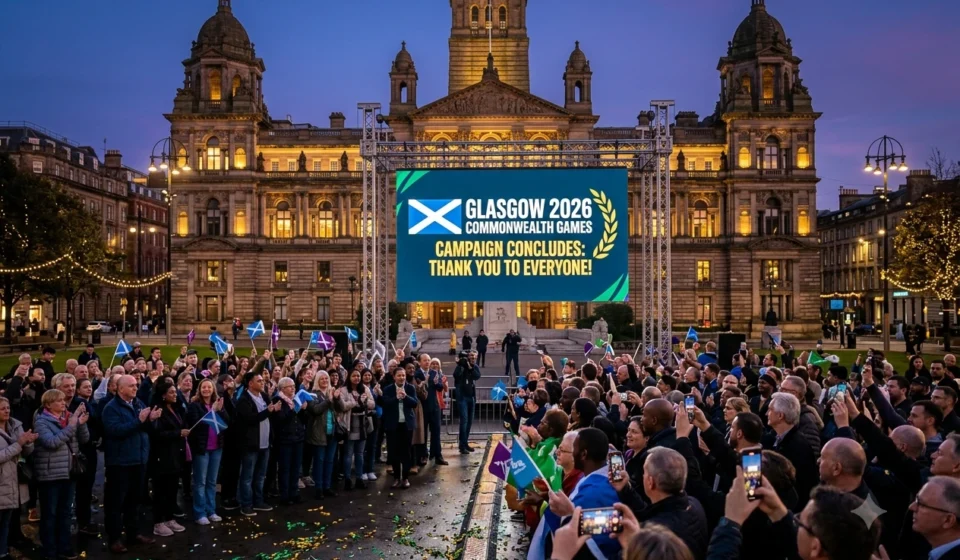

The road to the Glasgow 2026 Commonwealth Games reached a meaningful milestone on August 2, 2026, as national athletic delegations departed for home after completing major international trials and qualifying events. Organizers, sports ministers, coaches, and athletes marked the close of an intensive period that tested skill, endurance, and preparation while bringing the sporting community one step closer to one of the most anticipated multi sport competitions on the international calendar. The conclusion of these events signals more than administrative progress. It reflects years of commitment from competitors whose ambitions now turn toward representing their nations on one of the biggest stages in Commonwealth sport.
Qualifying events shaped the path to Glasgow
The qualifying cycle provided athletes with opportunities to secure selection while giving national sporting bodies valuable insight into performance standards. Across numerous disciplines, competitors faced demanding conditions that required physical strength, tactical awareness, and mental resilience. Coaches observed not only results but also consistency, adaptability, and readiness for elite competition.
For many participants, the qualifying process represented the culmination of countless hours spent in training centers, community clubs, and national institutes. Some athletes entered as established champions, while others emerged as exciting new talents capable of surprising experienced rivals when the Games begin.
Officials praised the overall organization of the qualifying schedule, noting that successful completion of these events allows participating nations to shift attention toward final team selection, medical preparation, and detailed competition planning.
Organizers celebrate an important operational achievement
The completion of international trials also marks a significant operational success for organizers preparing Glasgow to welcome competitors from across the Commonwealth. Every qualifying competition offered practical lessons in logistics, scheduling, athlete services, officiating, and event management. Those experiences are expected to strengthen planning before the opening ceremonies.
Large sporting events depend on countless moving parts working together. Transportation systems, accommodation planning, venue readiness, medical support, volunteer coordination, and security arrangements all benefit from careful testing long before spectators fill stadiums. Organizers often describe this period as one of continuous learning, where every successful event contributes valuable knowledge for the Games themselves.
Athletes return home with renewed focus
As delegations boarded flights and began their journeys home, many athletes carried mixed emotions. Qualification can bring excitement, relief, and pride. Missing selection can be deeply disappointing despite months or years of disciplined preparation. Such moments reveal the emotional reality behind elite competition.
We often focus on medals and podium celebrations, yet the qualifying process reminds us that international sport is built upon perseverance. Every athlete who reached the starting line invested extraordinary effort regardless of the final outcome. Families, coaches, physiotherapists, nutrition specialists, and local communities frequently share in that achievement because success at this level rarely belongs to one person alone.
Sports ministers highlight cooperation across nations
Sports ministers welcomed the conclusion of the campaign as evidence of effective cooperation between sporting organizations, governments, and host authorities. International competitions require coordination across many countries, each with its own sporting systems and administrative requirements.
The successful completion of qualifying events demonstrates the value of collaboration that extends beyond competition. Shared expertise in athlete welfare, anti doping measures, medical standards, and event management contributes to stronger sporting relationships throughout the Commonwealth.
Many officials also pointed to the wider social value of international sport. Major competitions encourage participation among young people, inspire investment in community facilities, and create opportunities for cultural exchange that continue long after medals have been awarded.
Glasgow prepares to welcome the Commonwealth sporting community
Attention now turns fully toward Glasgow as preparations continue across competition venues and supporting infrastructure. The city already possesses considerable experience in hosting major international sporting events, giving organizers confidence as planning enters another important phase.
Residents, businesses, volunteers, and tourism leaders are expected to play meaningful roles in welcoming visitors from across the Commonwealth. Sporting festivals create opportunities for local communities to share culture, hospitality, and history while benefiting from increased international attention.
Additional information about the event and preparations is available through the official Glasgow 2026 website, while broader details about the Commonwealth sporting movement can be found at Commonwealth Sport.
Emerging athletes could become the stories everyone remembers
Every edition of the Commonwealth Games introduces competitors whose performances reshape expectations. Some enter with little international recognition before producing unforgettable victories that inspire future generations. The recently completed qualifying campaign suggests another class of promising athletes is preparing to make that leap.
Talent development programs in numerous Commonwealth nations continue to strengthen pathways from grassroots participation to elite competition. Improved coaching, sports science, performance analysis, and athlete support have expanded opportunities for competitors from both established sporting powers and smaller nations.
This broader competitive balance benefits spectators as well as athletes. Greater depth across participating countries increases the possibility of closely contested finals and memorable sporting moments that capture global attention.
The lasting importance of preparation beyond competition
Preparation for a major international event extends well beyond physical training. Athletes now enter a period that often includes recovery, technical refinement, nutritional planning, psychological preparation, and careful management of workloads. Every decision during these final months can influence performance when competition begins.
- National teams will finalize athlete selections.
- Medical and performance staff will monitor fitness carefully.
- Coaches will refine event specific strategies.
- Organizers will continue operational testing across venues and support services.
These activities may receive less public attention than competition itself, yet they frequently determine whether athletes arrive prepared to perform at their highest level.
A milestone that points toward a larger celebration
The conclusion of the Glasgow 2026 qualifying campaign represents the closing of one chapter and the beginning of another. For organizers, it confirms that years of planning continue to move forward. For governments and sporting bodies, it reflects successful international cooperation. Most importantly, for athletes, it marks the transition from earning a place to pursuing excellence on one of the Commonwealth sporting community’s greatest stages.
As delegations return home carrying experience gained through demanding trials, anticipation continues to grow. The next gathering in Glasgow will bring together remarkable stories of determination, national pride, friendship, and competition. Those stories are already taking shape, and the recently completed qualifying campaign has ensured that the journey toward the Games continues with confidence, optimism, and a shared belief in the enduring power of sport.