

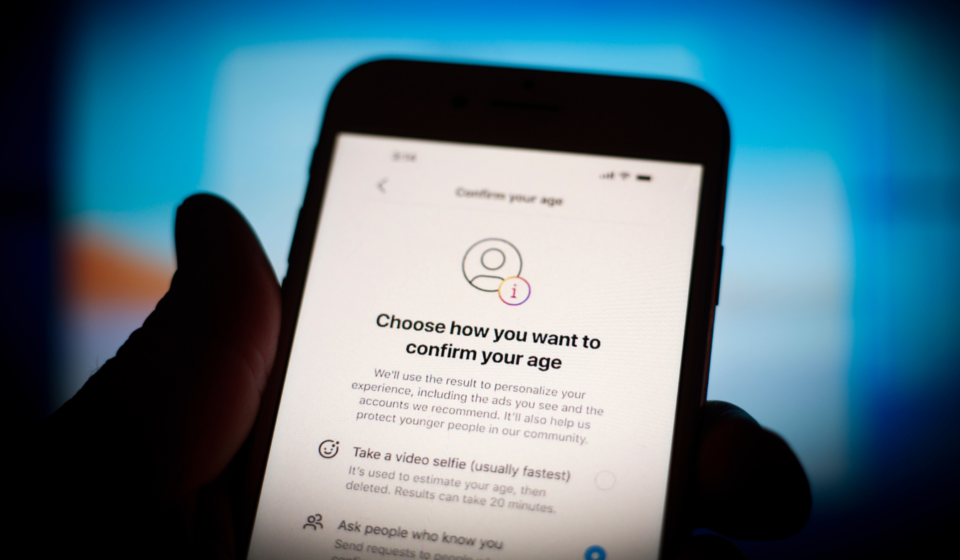

July 29, 2026 marked a significant moment for online safety and digital privacy as a coalition of major social networks, technology companies, and privacy oversight organizations announced a unified global standard for privacy preserving age verification. The agreement aims to help digital platforms identify whether users meet age requirements without forcing people to surrender excessive personal information. We see this move as an attempt to balance two priorities that have often seemed to compete with one another, protecting children online while respecting the privacy rights of every user.
Why a Unified Standard Matters
For years, governments, technology firms, and digital rights advocates have struggled with the same question. How can online platforms prevent children from accessing age restricted content without collecting sensitive personal data from millions of users? Previous approaches often relied on uploading identity documents, facial scans, or other information that created concerns about surveillance, data breaches, and long term storage.
The newly announced framework seeks to reduce those concerns by allowing platforms to verify that a user satisfies an age requirement without revealing unnecessary personal details. Rather than exposing a birth date, passport number, or full identity, users can prove they meet a required age threshold through privacy focused verification methods designed to minimize data collection.
The agreement also provides a common technical foundation that could reduce the patchwork of different verification systems currently used across social media, gaming services, streaming platforms, and other digital services.
How Privacy Preserving Age Verification Works
The new standard centers on the principle of data minimization. Instead of asking for more information than necessary, participating platforms only receive confirmation that a user qualifies for a particular age category.
Although implementation details will vary among providers, the standard generally supports technologies that can verify age while limiting the amount of identifiable information shared. This approach may include trusted digital credentials, secure cryptographic verification, or certified third party services that validate eligibility without exposing complete personal records.
For users, the experience could become much simpler. Instead of repeatedly uploading identification documents to multiple websites, a single trusted verification may be recognized across participating platforms while maintaining strong privacy protections.
A Response to Growing Regulatory Pressure
Lawmakers around the world have increased pressure on technology companies to strengthen protections for younger users. Several countries have introduced legislation requiring age verification for social media services, online marketplaces, adult content providers, and gaming platforms.
At the same time, privacy regulators have warned that poorly designed verification systems could create new security risks by encouraging widespread collection of sensitive identity documents.
The new global standard attempts to address both concerns by encouraging companies to verify age responsibly while reducing the likelihood that personal information will be stored in large centralized databases.
Guidance published by the National Institute of Standards and Technology has consistently promoted privacy engineering principles that encourage organizations to collect only the data necessary for a specific purpose. Similarly, resources available through the International Organization for Standardization support internationally recognized information security and privacy management practices.
Benefits for Parents, Young Users, and Adults
The agreement could produce benefits for several groups across the digital ecosystem.
- Parents may gain greater confidence that age restricted content is less accessible to younger children.
- Teenagers may experience age appropriate digital environments with stronger safeguards.
- Adult users could verify eligibility without repeatedly sharing personal identity documents.
- Technology companies may simplify compliance with regulations across multiple jurisdictions.
Each group stands to benefit if implementation remains transparent, secure, and easy to use.
Industry Cooperation Signals a New Direction
One of the most notable aspects of the announcement is the level of cooperation involved. Social networking companies have historically competed aggressively while regulators frequently challenged their privacy practices. Reaching a shared technical standard suggests growing recognition that certain digital safety issues require collaboration rather than competition.
We have watched previous efforts struggle because different platforms adopted incompatible verification systems. A common framework increases the possibility that developers, device manufacturers, application creators, and online services can build interoperable solutions instead of isolated systems.
Such cooperation may also reduce costs associated with developing separate compliance systems for every region where a platform operates.
Privacy Experts Remain Cautiously Optimistic
Privacy advocates have generally welcomed the direction of the agreement while reminding the public that implementation will ultimately determine its success. Even the strongest technical standard can fall short if companies collect additional information beyond what is required or retain verification records longer than necessary.
Independent oversight, regular security audits, and transparent reporting will likely play an important role in maintaining public confidence. Experts also stress that users should clearly understand what information is collected, how long it is retained, and who has access to it.
Trust depends not only on strong technology but also on responsible governance and clear communication.
Challenges That Still Need Solutions
Despite widespread support for the announcement, several practical questions remain. Countries maintain different legal definitions for children, teenagers, and adults. Age thresholds also vary depending on the type of online service.
Accessibility presents another challenge. Verification systems must remain usable for people with disabilities, individuals without government issued identification, and users living in regions with limited digital infrastructure.
Cross border recognition also requires careful coordination. A verification accepted in one country may not automatically satisfy legal requirements elsewhere. Participating organizations will need ongoing cooperation to keep the framework effective across different legal systems.
What This Means for Digital Platforms
Technology companies are expected to begin integrating the new standard into their services over the coming months. Implementation schedules will differ depending on platform size, technical infrastructure, and regional regulatory requirements.
Developers will likely receive updated technical guidance describing how privacy preserving verification can be incorporated into registration systems, parental controls, and content access features. Companies that already invested in privacy focused identity technologies may find the transition relatively straightforward, while others may need more extensive changes.
Consumers may notice gradual updates rather than immediate changes. Some services could introduce optional verification before expanding to broader deployment once testing confirms reliability and user acceptance.
A Turning Point for Online Privacy and Child Safety
The agreement announced on July 29, 2026 reflects a broader shift in how the technology industry approaches digital identity. Rather than asking users to choose between privacy and safety, participating organizations are attempting to deliver both through carefully designed verification methods.
We believe the true measure of success will not be the announcement itself but the experience of millions of people who rely on digital platforms every day. If implemented responsibly, the new privacy first age verification standard could reduce unnecessary data collection, strengthen child protection, and establish greater consistency across the global internet.
The coming months will reveal how effectively technology companies adopt the framework and whether regulators, privacy advocates, and consumers conclude that the new approach delivers on its promise of safer digital spaces without sacrificing fundamental privacy rights.