

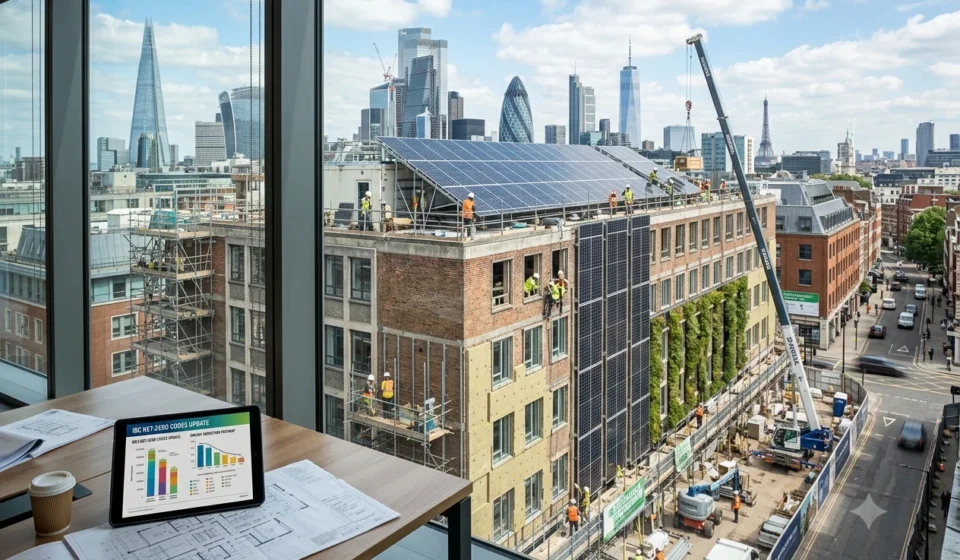

July 30, 2026 marks a significant moment for homeowners, builders, architects, and policymakers as international construction authorities unveiled updated net zero retrofit codes aimed at cutting energy consumption in existing homes. The revised standards require major residential renovation projects to include high efficiency thermal insulation and heat pump integration, signaling a broader effort to reduce emissions from the built environment while improving indoor comfort and lowering long term utility costs. We are witnessing a shift that places existing homes at the center of climate action rather than focusing solely on newly constructed buildings.
The construction sector has long faced the challenge of balancing affordability, energy performance, and environmental responsibility. Older homes often lose heat through poorly insulated walls, roofs, windows, and floors, forcing heating and cooling systems to consume more energy than necessary. The updated building codes seek to address those weaknesses by making energy efficiency a core requirement whenever substantial renovation work takes place.
Why the revised retrofit standards matter
Residential buildings account for a substantial share of global energy demand and greenhouse gas emissions. While modern construction methods have steadily improved efficiency in new developments, millions of existing homes continue operating with outdated materials and aging heating equipment. Renovating these properties offers one of the fastest opportunities to reduce energy waste.
The revised codes encourage comprehensive upgrades instead of isolated improvements. Rather than replacing a single component such as windows or a furnace, renovation projects are expected to consider how insulation, ventilation, heating systems, and overall building performance interact. This whole building approach helps maximize energy savings while creating healthier indoor environments.
Construction professionals have welcomed the clarity provided by the updated framework. Clear technical expectations reduce uncertainty during project planning and encourage manufacturers to continue investing in advanced insulation products, efficient heating technologies, and sustainable construction materials.
Thermal insulation becomes a central requirement
One of the most notable elements of the revised standards is the stronger focus on high efficiency thermal insulation. Heat naturally flows from warmer areas toward cooler ones. Without adequate insulation, homes lose warmth during winter and absorb excessive heat during summer, increasing the demand placed on mechanical heating and cooling equipment.
Improved insulation reduces this energy loss by creating a stronger thermal barrier throughout the building envelope. Roof spaces, external walls, floors, and foundations all become important targets during renovation planning.
The updated requirements encourage renovation teams to assess the complete structure before selecting insulation solutions. Factors such as climate conditions, moisture management, fire safety, and material durability all influence the final design.
- Reduced household energy consumption
- Improved indoor temperature stability
- Lower heating and cooling expenses over time
- Better acoustic performance inside homes
- Greater resilience during extreme weather events
Residents may notice fewer cold drafts, more consistent room temperatures, and quieter living spaces after properly executed retrofit projects.
Heat pumps move into the mainstream
The updated retrofit codes also require heat pump integration for major residential renovations. Heat pumps have gained international attention because they move existing heat instead of generating it through combustion. This process allows them to deliver efficient heating during colder months while also providing cooling during warmer seasons.
Modern air source and ground source heat pumps operate with significantly higher efficiency than many traditional heating systems. When paired with well insulated homes, they can reduce energy demand while supporting cleaner electricity grids that increasingly rely on renewable energy sources.
Industry experts expect demand for trained installers and qualified technicians to rise as more homeowners adopt heat pump technology. Proper sizing, installation, and maintenance remain essential to achieving expected performance and maintaining indoor comfort.
What homeowners should expect during renovation projects
For homeowners planning significant renovations, the revised standards introduce new considerations during project design and budgeting. Although initial investment costs may increase in some cases, many property owners are expected to benefit from lower operating expenses over the lifetime of the building.
Renovation planning may now involve detailed energy assessments, insulation upgrades, ventilation improvements, and replacement of older heating equipment. Contractors may recommend phased improvements where complete upgrades cannot be completed at once due to financial or structural limitations.
Financial incentives offered by national and regional governments may continue supporting energy efficient retrofits. Tax credits, grants, and low interest financing programs have already encouraged similar projects in several countries, making comprehensive renovations more accessible for homeowners.
Construction industry prepares for changing expectations
Builders, architects, engineers, and product manufacturers are expected to adjust quickly to the revised requirements. Companies specializing in energy efficient materials are likely to experience increased demand, while professional training programs may expand to prepare workers for evolving technical standards.
Building inspections may also become more comprehensive as authorities verify compliance with insulation specifications, heating system performance, and overall energy efficiency targets. Digital modeling tools and building performance software are expected to play a greater role throughout project planning and verification.
Educational institutions have increasingly incorporated sustainable construction principles into engineering and architectural programs, preparing future professionals for stricter environmental performance expectations.
Climate goals increasingly depend on existing buildings
New construction receives considerable public attention, yet existing buildings represent the largest opportunity for meaningful emission reductions. Many residential properties built decades ago remain structurally sound but operate far below modern energy performance expectations.
Improving these homes helps reduce dependence on fossil fuels while supporting national climate commitments. Better performing buildings also place less pressure on electricity networks during periods of extreme heat and severe cold when energy demand typically reaches its highest levels.
The updated retrofit codes reflect growing international recognition that meaningful climate progress requires attention to both new developments and older housing stock.
Economic opportunities alongside environmental progress
Beyond environmental benefits, the revised standards may stimulate economic activity throughout the construction sector. Manufacturers producing insulation materials, efficient windows, ventilation systems, and heat pumps could experience sustained market growth. Contractors specializing in residential retrofits may also see increased project demand.
Energy efficient homes often command stronger property values in competitive housing markets as buyers increasingly consider operating costs alongside purchase prices. Lower monthly utility bills and improved indoor comfort can become valuable selling points for renovated properties.
Financial institutions have likewise shown growing interest in supporting sustainable housing improvements through specialized lending products designed for energy efficient renovations.
Balancing ambition with practical implementation
Successful implementation will depend on workforce availability, material supply chains, homeowner awareness, and government support. Construction professionals must navigate varying climate conditions, regional building traditions, and local housing characteristics while meeting updated performance expectations.
Industry organizations also stress the importance of maintaining affordability. Policymakers may continue refining incentive programs that reduce financial barriers for families undertaking substantial renovation projects.
Technical guidance available through the International Energy Agency and building performance resources published by the United States Department of Energy provide valuable information for professionals and homeowners seeking practical energy efficiency strategies.
The future of residential construction is increasingly focused on renovation
The latest update to international net zero retrofit codes represents more than a technical revision. It reflects a broader recognition that existing homes will play a defining role in achieving cleaner energy systems, stronger housing resilience, and healthier communities.
As governments, construction professionals, manufacturers, and homeowners adapt to the revised requirements, residential renovation is expected to become one of the most influential areas of sustainable development over the coming decade. Better insulated homes supported by efficient heat pump systems offer a practical path toward lower emissions while providing everyday benefits that residents can experience through improved comfort, reduced energy costs, and greater confidence in the long term performance of their homes.