

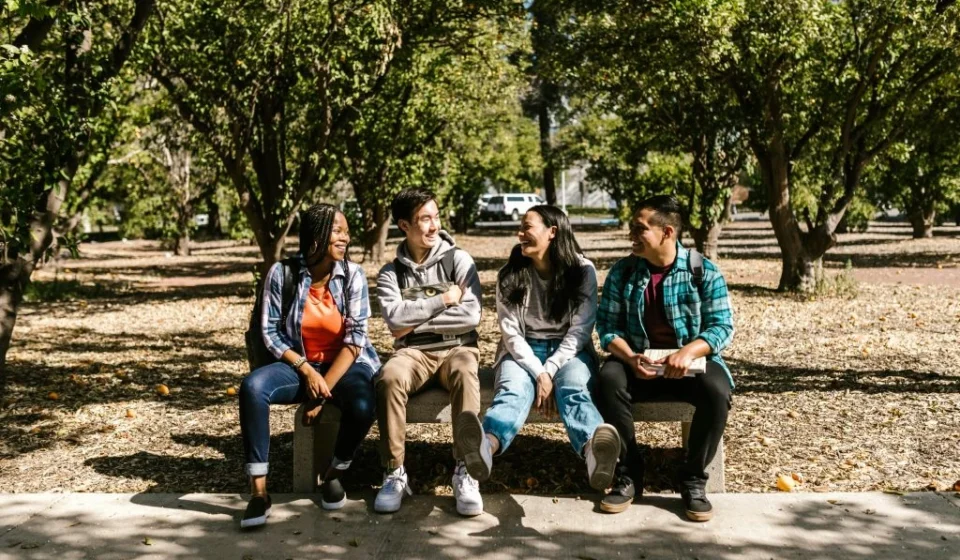

Nearly 600 colleges and universities across the United States have joined a major appeal calling on Congress to advance protections for Dreamer students, international learners, and undocumented members of campus communities. The Presidents’ Alliance on Higher Education and Immigration is asking lawmakers to move forward with the American Dream and Promise Act, a measure supporters say could provide greater stability for thousands of students pursuing academic goals while facing uncertain immigration circumstances.
University Leaders Call for Stability and Opportunity for Students
For many students, a college campus represents more than classrooms, libraries, and graduation ceremonies. It is a place where young people build careers, contribute research, support local communities, and prepare for leadership roles. University presidents involved in the alliance argue that immigration uncertainty can create significant barriers for students who have spent years building their lives in the United States.
We see this appeal as part of a broader national conversation about the relationship between education, immigration policy, and economic opportunity. Campus leaders say that students should not have to choose between continuing their education and worrying about whether changing policies could interrupt their future plans.
The Presidents’ Alliance represents institutions ranging from large public universities to private colleges and community focused schools. Its members have repeatedly advocated for policies that support access to education while recognizing the contributions of immigrant students to American campuses and communities.
What the American Dream and Promise Act Seeks to Provide
The American Dream and Promise Act is designed to establish protections for certain undocumented individuals, including many young people who arrived in the United States as children. Supporters argue that the legislation would create a pathway for eligible individuals to obtain lawful status if they meet specific requirements related to education, employment, and background checks.
University leaders believe the proposed legislation could offer relief to students who have grown up in American communities and are pursuing degrees that could benefit the nation. Many Dreamer students have become educators, healthcare workers, researchers, entrepreneurs, and professionals in fields experiencing workforce shortages.
The alliance’s message to lawmakers focuses on the connection between educational success and long term national interests. College leaders argue that students who have demonstrated commitment to their communities should have a clearer opportunity to continue contributing after graduation.
The Human Impact Behind the Policy Debate
Behind the legislative discussions are individual stories from students navigating complicated personal circumstances. Some Dreamer students arrive on campus carrying the same hopes as their classmates: earning a degree, finding meaningful work, and supporting their families. Yet immigration uncertainty can add another layer of pressure during an already demanding period of academic life.
A student preparing for final exams may also be concerned about employment options after graduation. A researcher developing new ideas may wonder whether future opportunities will remain available. A graduating senior may question whether the career they prepared for can become a reality. These concerns are central to the university leaders’ appeal.
We believe the debate surrounding Dreamer protections is also a discussion about how the nation values education and human potential. Colleges and universities have long served as places where people from different backgrounds come together to learn, innovate, and solve shared challenges.
Why Higher Education Leaders Are Pressing Congress Now
The alliance’s request comes as universities continue to navigate complex questions involving admissions, student support services, workforce preparation, and immigration policy. Administrators say predictable protections would allow institutions to better support students and plan for future academic programs.
University leaders also point to the broader economic role of educated workers. Graduates contribute through professional careers, community involvement, and innovation. Supporters of the legislation argue that providing stability for qualified students could strengthen industries and communities across the country.
Information about federal education policies and student related programs is available through resources provided by the U.S. Department of Education. Legislative updates and details about proposed bills can also be reviewed through the U.S. Congress legislative database.
Congress Faces a Continuing Debate Over Immigration and Education
The appeal from university presidents adds pressure on lawmakers as discussions continue over immigration policy. Supporters of Dreamer protections view the issue as a matter of fairness and national investment, while opponents have raised broader concerns about immigration enforcement and legislative priorities.
Finding agreement in Congress has historically been challenging, especially on immigration related issues. However, the involvement of hundreds of higher education leaders demonstrates the importance of the topic for academic institutions and the communities they serve.
The debate will likely continue to involve questions about eligibility requirements, implementation processes, and the balance between humanitarian concerns and federal immigration authority. For students affected by these policies, the outcome could shape educational and professional opportunities for years to come.
A Call for Action Focused on Students and Communities
The Presidents’ Alliance appeal reflects a belief among many university leaders that education should remain a pathway toward opportunity. Their message to Congress is centered on creating conditions where students can focus on learning rather than uncertainty about their future.
As lawmakers consider the American Dream and Promise Act, the voices of colleges and universities add a significant perspective to the conversation. These institutions work directly with students every day and witness both the challenges and the contributions of Dreamer communities.
The coming months will determine whether Congress advances new protections or continues debate over the future of immigration policy. For thousands of students watching from classrooms, laboratories, and campuses across the country, the decision represents more than legislation. It represents a question about whether the nation will allow them to continue building the futures they have worked so hard to achieve.