

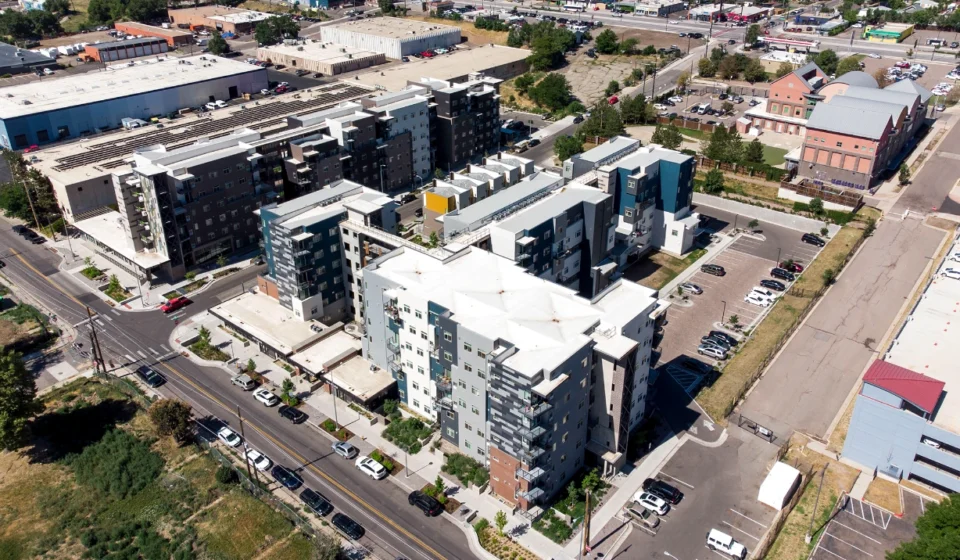

Ho Chi Minh City has approved one of its most ambitious urban redevelopment projects in recent years, giving the green light to a $3.75 billion investment led by the Sun Group consortium. The decision, announced on July 19, 2026, marks a significant step for Vietnam’s largest commercial center as officials seek to modernize aging districts, attract fresh capital, and create new opportunities for residents and businesses alike. We see this approval as more than another real estate announcement. It reflects growing confidence in Vietnam’s economy and signals that major investors continue to view the country as a promising destination for long term development.
A Landmark Investment for Ho Chi Minh City
The approved urban redevelopment project carries an estimated investment value of $3.75 billion, placing it among the most substantial city development initiatives currently moving forward in Vietnam. Sun Group, one of the country’s best known private developers, will lead the consortium responsible for planning and delivering the large scale project.
City leaders have consistently promoted urban renewal as a priority, aiming to improve infrastructure while supporting sustainable economic growth. Rapid population growth has placed increasing pressure on housing, transportation, public services, and commercial space. Projects of this scale are designed to address those challenges through coordinated planning rather than isolated construction.
The redevelopment is expected to combine residential neighborhoods, commercial districts, public amenities, transportation improvements, and green spaces into a unified urban environment. While detailed construction timelines and design plans are expected to emerge during later planning stages, the approval itself represents an important milestone for both investors and local authorities.
Why This Approval Matters Beyond Real Estate
Large redevelopment projects often serve as economic engines long before the first building opens its doors. Construction activity creates demand for engineering firms, architects, contractors, suppliers, logistics providers, and financial institutions. Once completed, modern business districts can attract multinational companies, retailers, technology firms, and hospitality operators.
We believe this approval also reflects broader confidence in Vietnam’s development strategy. Over the past decade, the country has steadily expanded manufacturing, exports, digital industries, and foreign investment. Urban infrastructure has become an increasingly important part of maintaining that momentum.
Modern cities require efficient transportation networks, attractive business environments, and housing that can support expanding workforces. Redevelopment initiatives help align physical infrastructure with economic ambitions.
Sun Group’s Growing Role in Vietnam
Sun Group has built a strong reputation through investments across tourism, hospitality, transportation, entertainment, and premium real estate. The company has delivered projects that have reshaped several Vietnamese destinations, particularly in coastal regions and major tourist centers.
Its experience managing complex developments may provide confidence to investors following the latest approval. Large urban projects require significant financial resources, coordination with government agencies, environmental planning, engineering expertise, and long term operational management.
The consortium approach also spreads expertise across multiple partners, allowing specialized firms to contribute in areas such as construction, finance, infrastructure, and urban planning.
Regional Real Estate Investment Receives Another Boost
The approval arrives during a period when Southeast Asia continues attracting attention from institutional investors seeking long term opportunities. Vietnam has become particularly attractive because of its expanding middle class, competitive manufacturing sector, strategic location, and relatively stable economic performance.
Commercial property, mixed use developments, and infrastructure projects have all gained interest from domestic and international investors looking beyond traditional investment destinations.
Major redevelopment approvals often create ripple effects across surrounding neighborhoods. Property owners, retailers, service providers, and infrastructure companies frequently benefit from increased economic activity generated by construction and future commercial operations.
Financial institutions may also view approved mega developments as indicators of confidence within the broader property market, encouraging additional lending and investment activity.
Urban Renewal Can Improve Daily Life
For many residents, urban redevelopment is not simply about impressive buildings or investment figures. The quality of everyday life often depends on reliable infrastructure, safe public spaces, efficient transportation, and access to employment opportunities.
Well planned redevelopment can provide several community benefits, including:
- Improved transportation connections across busy districts.
- Additional housing options for growing populations.
- Modern commercial centers supporting new businesses.
- Expanded public parks and recreational areas.
- Better integration of utilities and public services.
Successful redevelopment also depends on thoughtful planning that balances economic growth with environmental sustainability and community needs.
Economic Impact Could Extend for Years
Projects valued in the billions of dollars rarely produce only short term economic activity. Construction phases alone can continue for several years, supporting thousands of jobs across multiple industries.
Once completed, commercial offices, retail centers, hotels, restaurants, entertainment venues, and residential communities may generate ongoing employment while increasing tax revenues for local governments.
International businesses considering expansion into Vietnam often evaluate the availability of modern office space, transportation access, and surrounding infrastructure before making investment decisions. Large redevelopment projects can therefore strengthen a city’s competitiveness within the region.
Infrastructure Remains Central to Vietnam’s Growth Strategy
Vietnam has increasingly focused on expanding transportation networks, airports, ports, industrial parks, and urban infrastructure as part of its broader development agenda. Public and private investment continues supporting projects intended to accommodate economic expansion and rising urban populations.
Information published by the World Bank highlights Vietnam’s sustained economic development alongside continuing infrastructure needs. Urban redevelopment initiatives complement these broader national objectives by modernizing cities while supporting private investment.
Likewise, the Asian Development Bank has frequently identified sustainable urban planning and infrastructure investment as important factors supporting long term regional growth.
Challenges That Often Accompany Mega Developments
Although projects of this magnitude create optimism, successful execution depends on careful management throughout planning, construction, and long term operations.
Developers typically face complex challenges involving land preparation, environmental reviews, transportation integration, financing schedules, regulatory compliance, and community engagement. Maintaining transparency and minimizing disruption for existing residents remain important considerations during redevelopment.
Urban planners also increasingly prioritize climate resilience, energy efficiency, flood management, and green public spaces as cities adapt to changing environmental conditions.
What Investors Will Watch Next
Following regulatory approval, attention is likely to shift toward implementation milestones. Investors and market observers will monitor detailed planning documents, construction schedules, financing arrangements, contractor appointments, and future announcements regarding residential and commercial components.
The pace of execution may also influence confidence across Vietnam’s broader property sector. Successful delivery of major developments often encourages additional investment while reinforcing a country’s reputation for supporting complex infrastructure and real estate projects.
Looking Ahead
The approval of the Sun Group consortium’s $3.75 billion redevelopment project represents an important chapter in Ho Chi Minh City’s continuing evolution. As one of Southeast Asia’s fastest growing urban economies, the city faces the challenge of expanding responsibly while preserving its economic dynamism and improving quality of life for millions of residents.
We expect this landmark investment to attract continued attention from developers, financial institutions, international businesses, and policymakers. Although many phases remain before construction reaches completion, the approval itself sends a strong message that Vietnam continues pursuing ambitious urban development supported by substantial private investment. If delivered successfully, the project could become a defining example of how large scale redevelopment shapes the future of one of Asia’s most dynamic cities.