

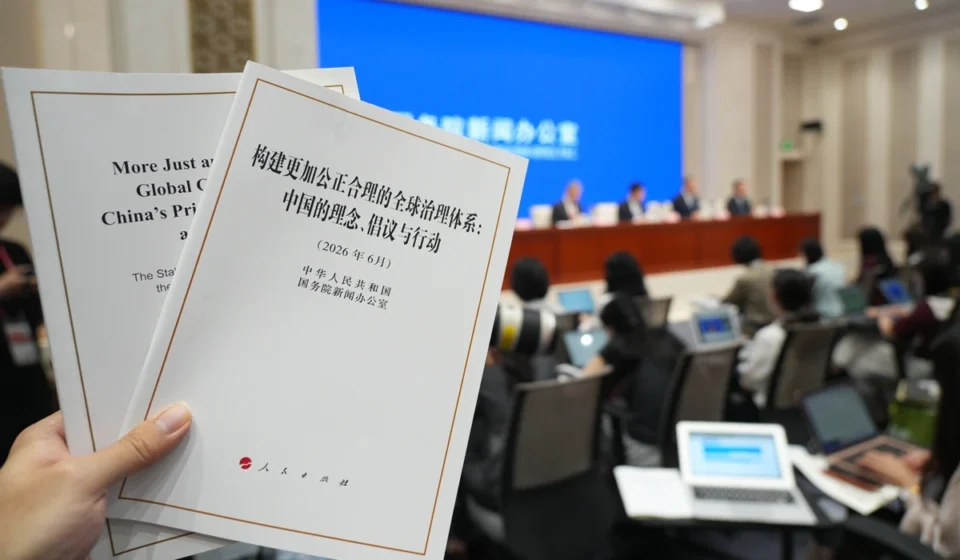

China has released a new white paper outlining its vision for global governance, placing fresh attention on its Global Governance Initiative as Beijing calls for broader reforms across international institutions. Published on July 20, 2026, the document argues that many existing multilateral systems should better reflect the economic and political realities of the twenty first century, particularly by expanding the influence of developing countries. The proposal arrives at a time when international cooperation faces growing pressure from geopolitical rivalry, trade disputes, security concerns, and climate challenges, making the debate over how global institutions should evolve more significant than ever.
What China Says the Global Governance Initiative Is Designed to Achieve
The white paper presents the Global Governance Initiative as a framework intended to encourage cooperation rather than confrontation. Chinese officials argue that international organizations should become more representative, more inclusive, and more responsive to the needs of emerging economies. The document suggests that developing nations deserve stronger participation in decision making because their economic weight, population, and contributions to global growth have expanded considerably during recent decades.
Beijing also stresses principles such as respect for national sovereignty, dialogue between civilizations, peaceful conflict resolution, and shared development. Chinese policymakers describe these goals as essential for building a more balanced international order that reflects diverse political systems and development paths.
The initiative forms part of a broader collection of Chinese international proposals that have appeared over recent years, covering security, economic development, and international cooperation. Together, these policies represent an effort to define China’s long term diplomatic vision while presenting alternatives to governance models largely shaped after the Second World War.
Calls for Reforming International Institutions
One of the strongest themes in the white paper is institutional reform. China argues that organizations created decades ago should evolve alongside changes in the global economy. Many developing countries have voiced similar concerns, pointing out that representation within several international financial and political institutions no longer reflects present economic realities.
Beijing believes reforms should allow greater participation from countries across Asia, Africa, Latin America, and other developing regions. Supporters of this approach argue that broader representation could improve legitimacy and produce policies that address a wider range of economic and social priorities.
International organizations including the United Nations and financial institutions have faced recurring discussions about governance reform, voting structures, and leadership representation. While progress has been gradual, the debate has remained active among governments and policy experts.
Growing Importance of Developing Nations
Emerging economies account for an increasing share of global production, international trade, infrastructure investment, and population growth. Many governments from these regions seek stronger influence over international decisions affecting finance, climate policy, food security, public health, and technological development.
China’s proposal reflects these broader trends by arguing that countries with expanding economic roles should also enjoy greater influence within international organizations. Officials contend that more balanced participation would encourage wider cooperation and produce outcomes that better reflect global interests rather than the priorities of a limited group of advanced economies.
This argument resonates with some governments that have long sought greater recognition within global institutions while continuing to invest in regional partnerships and South South cooperation.
Supporters View the Proposal as a Push for Balance
Supporters of the Global Governance Initiative argue that international cooperation works best when every region believes its interests receive fair consideration. They point to shifting economic patterns over the past several decades, during which developing nations became major contributors to manufacturing, trade, technology, and consumer demand.
Advocates believe several potential benefits could emerge if reforms gain wider support.
- Greater participation by developing countries during international negotiations.
- More attention to development financing and infrastructure investment.
- Broader cooperation on climate adaptation, health, and poverty reduction.
- Increased dialogue among countries with different political systems.
Supporters also argue that stronger representation could improve confidence in multilateral institutions by making decision making appear more inclusive and geographically balanced.
Critics Raise Questions About Implementation
Not every government interprets the initiative in the same way. Some analysts believe China is seeking a larger leadership role within international affairs while promoting governance principles that align closely with its own diplomatic priorities.
Critics have questioned how proposed reforms would be implemented and whether changes could maintain consensus among countries with differing strategic interests. Others argue that reforms should strengthen existing institutions rather than fundamentally reshape their structures.
Diplomatic experts also note that reforming major international organizations often requires lengthy negotiations among dozens or even hundreds of member states. Achieving agreement can take years because voting arrangements, financial contributions, and legal frameworks are closely connected.
The Broader Strategic Context
The publication of the white paper comes during a period of heightened competition among major powers. International discussions increasingly focus on technology, supply chains, artificial intelligence, climate resilience, global finance, and regional security.
Within this environment, governments are competing not only through economic strength and military capability but also through ideas about how international cooperation should function. Competing governance models have become an important part of diplomacy, influencing investment, development partnerships, and international rule making.
China’s Global Governance Initiative reflects this wider contest of ideas. Rather than concentrating solely on economic cooperation, the proposal attempts to define principles that could shape future international engagement across multiple sectors.
Developing Countries Face Complex Choices
For many developing nations, the discussion extends beyond diplomacy. Better representation within international organizations could influence access to financing, infrastructure investment, healthcare partnerships, technology cooperation, and climate adaptation resources.
At the same time, governments often seek productive relationships with multiple global powers rather than choosing a single strategic direction. This balancing act has become increasingly common as countries pursue economic opportunities while protecting national interests.
The white paper acknowledges the growing diversity of development models and argues that nations should have the flexibility to pursue policies suited to their own historical, cultural, and economic circumstances.
Global Governance Remains a Work in Progress
The debate surrounding international governance is unlikely to end with one policy document. Reform proposals have circulated for many years, reflecting changing demographics, economic growth, technological innovation, and shifting geopolitical influence.
Institutions that once operated within a relatively stable international environment now face complex challenges involving digital security, public health emergencies, climate risks, migration, and financial resilience. Many policymakers agree that cooperation remains necessary even when governments disagree on how institutions should evolve.
Research and policy discussions hosted by organizations such as the World Bank continue to examine ways international cooperation can better support sustainable development while responding to changing global conditions.
What Comes Next
Whether China’s Global Governance Initiative gains wider international backing will depend on diplomatic negotiations, practical reforms, and the willingness of governments to find common ground despite growing strategic competition. Some countries may welcome proposals that expand representation, while others will continue advocating gradual adjustments within existing institutional frameworks.
The release of the white paper signals that debates over the future of global governance have entered another important chapter. Behind discussions of voting systems, institutional reform, and diplomatic principles lies a larger question that will shape international politics for years to come. Who should help write the rules that govern an increasingly interconnected world, and how can those rules reflect the interests of both established powers and rising economies? The answers will emerge through continued dialogue, negotiation, and cooperation among nations whose futures remain deeply connected.