

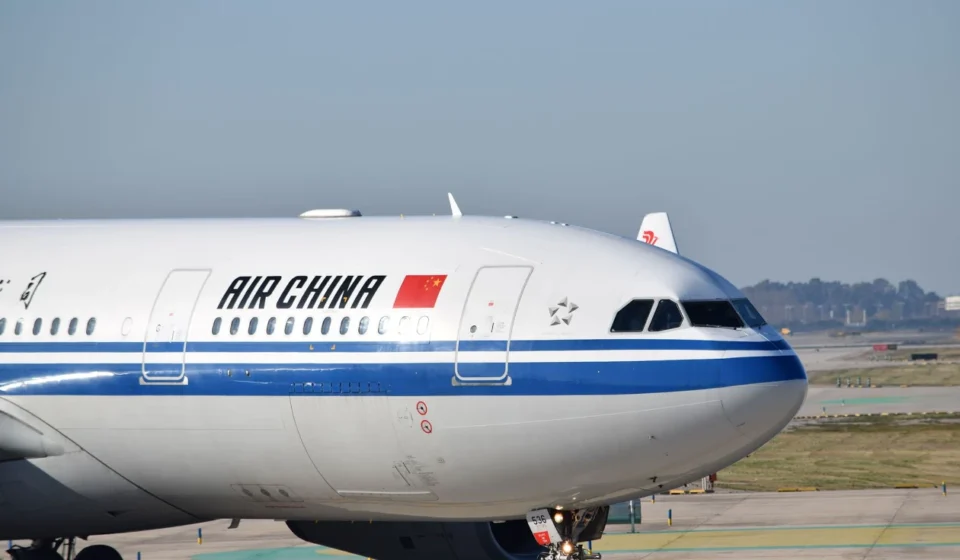

Three of China’s largest airlines have agreed to purchase a combined 95 Airbus passenger aircraft in a deal valued at nearly $18 billion, marking one of the biggest commercial aviation agreements announced this year. The order reflects renewed confidence in international air travel as business activity expands across Asia, Europe, and other global markets. We are seeing airlines make long term decisions that signal growing optimism after several years of shifting travel patterns, fleet adjustments, and economic uncertainty.
Announced on July 22, 2026, the agreements arrive at a time when global aviation continues rebuilding international networks while balancing passenger demand, operating costs, and environmental expectations. The latest purchases are expected to strengthen China’s position in long haul aviation and provide airlines with greater flexibility as they restore routes and introduce additional destinations.
Major investment reflects confidence in global business travel
The combined aircraft purchase by three leading Chinese airlines represents more than a routine fleet expansion. Large commercial aircraft typically remain in service for decades, making such investments an indication of management confidence in future passenger demand and economic growth.
Business travel has steadily recovered across many international markets. Companies are once again sending employees overseas for client meetings, manufacturing oversight, technology partnerships, financial negotiations, and international conferences. While virtual communication remains an important business tool, many organizations continue to recognize the value of face to face collaboration when building long term commercial relationships.
For airlines, adding modern aircraft creates opportunities to increase flight frequencies, launch new international services, and improve scheduling flexibility during peak travel periods.
Why Airbus continues attracting major airline customers
Airbus has maintained strong demand from airlines seeking fuel efficient aircraft capable of serving both medium and long distance routes. Modern jetliners offer lower operating costs, improved passenger comfort, and reduced fuel consumption compared with many older aircraft currently flying around the world.
The European manufacturer has continued expanding production while responding to steady demand from airlines replacing aging fleets. Information about Airbus commercial aircraft programs and sustainability efforts is available through the Airbus official website.
Fuel efficiency remains a major consideration because aviation fuel represents one of the largest operating expenses for every airline. Aircraft featuring newer engine technology and lighter construction materials can help carriers reduce costs while supporting industry efforts to lower carbon emissions.
International routes remain a strategic priority
The new aircraft are expected to support international services where passenger demand has continued strengthening. Flights connecting major Chinese cities with destinations across Europe, Southeast Asia, the Middle East, Australia, and North America remain important for tourism, trade, education, and business investment.
International connectivity also benefits industries beyond aviation. Hotels, convention centers, logistics companies, exporters, universities, and technology firms all depend on reliable air transportation to support cross border activity.
As airlines introduce additional capacity, travelers often gain more scheduling choices and improved competition across key international markets. Increased seat availability may also help stabilize ticket prices over time, although airfare remains influenced by fuel costs, airport capacity, and seasonal demand.
Business travel continues evolving after recent market shifts
Corporate travel has changed significantly during the past several years. Many organizations reduced travel budgets while adopting remote communication platforms. Even so, executives across numerous industries continue reporting that important negotiations, customer relationships, factory inspections, and investment discussions frequently benefit from meeting in person.
We have also seen multinational companies expand operations across Asian markets, creating additional demand for regular international air service. Financial institutions, technology firms, pharmaceutical companies, automotive manufacturers, and consulting businesses all contribute to business travel growth.
Airlines have responded by focusing on premium cabins, improved onboard connectivity, and schedules that better accommodate corporate travelers.
Economic impact extends well beyond aviation
Large aircraft purchases create economic activity across an extensive international supply chain. Thousands of companies manufacture engines, electronics, landing gear, cabin interiors, composite materials, and specialized aviation equipment.
Each aircraft entering service also generates long term employment opportunities involving:
- Pilots and flight crews
- Aircraft maintenance engineers
- Ground handling personnel
- Airport operations staff
- Training specialists
- Supply chain providers
Airports receiving additional international flights may also experience increased passenger spending that benefits restaurants, transportation providers, retailers, and nearby hospitality businesses.
Competition among global aircraft manufacturers remains intense
The commercial aviation industry continues featuring strong competition among leading aircraft manufacturers seeking orders from airlines worldwide. Fleet planning decisions often balance aircraft performance, delivery schedules, maintenance support, financing options, and long term operating costs.
Delivery timing has become increasingly important because airlines expanding their international networks require aircraft as quickly as production capacity allows. Manufacturing backlogs across the aviation sector remain substantial as carriers continue renewing fleets following several years of disrupted purchasing activity.
Industry observers expect airlines throughout Asia and other rapidly growing regions to remain active buyers during the coming years as passenger traffic continues increasing.
Environmental goals remain part of airline fleet planning
Modern aircraft purchases are also connected with aviation sustainability goals. Although commercial aviation continues seeking practical pathways toward lower emissions, replacing older aircraft with newer models offers measurable improvements in fuel efficiency.
Airlines are simultaneously investing in operational improvements that include optimized flight planning, lighter cabin equipment, and greater use of sustainable aviation fuel where available.
The International Civil Aviation Organization continues working with governments and industry participants on global aviation standards that support safety, operational efficiency, and environmental objectives.
Passengers may experience noticeable improvements
Travelers often notice several benefits when airlines introduce newer aircraft into international fleets. Cabin designs typically feature quieter interiors, improved air circulation systems, modern entertainment options, and more efficient lighting. Many newer aircraft also provide larger overhead storage compartments and improved fuel efficiency without sacrificing passenger comfort.
Additional aircraft can also improve schedule reliability by giving airlines greater operational flexibility when unexpected maintenance or weather disruptions occur.
Business travelers particularly value dependable departure times, convenient connections, and expanded premium seating options that allow them to remain productive during long international journeys.
China continues strengthening its role in global aviation
China remains one of the world’s most significant aviation markets, supported by a large domestic passenger base and expanding international commercial activity. As economic ties continue developing across multiple regions, reliable international air service becomes increasingly important for investment, tourism, education, and cultural exchange.
The latest Airbus agreements demonstrate that major Chinese airlines are preparing for sustained international demand rather than short term fluctuations. Fleet investments of this scale typically reflect years of planning, financial analysis, and expectations about future travel trends.
While economic conditions, fuel prices, and geopolitical developments will continue shaping airline strategies, the purchase of 95 new Airbus aircraft sends a clear signal that international aviation remains a critical part of global economic growth. We expect these aircraft to play an important role in connecting businesses, families, and travelers across continents as airlines continue rebuilding and expanding their worldwide networks.