

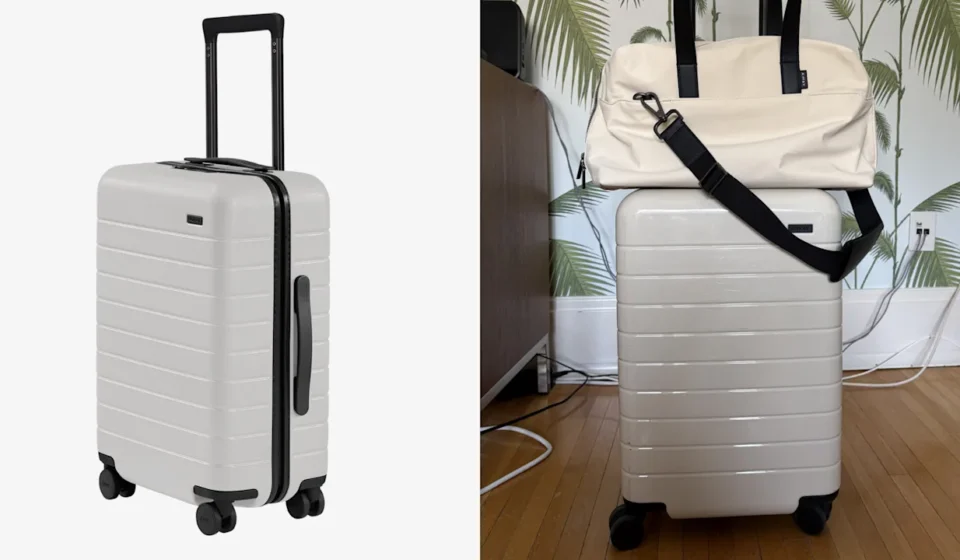

August 5, 2026 marked another turning point for international tourism as fresh travel industry data revealed two powerful trends influencing how people plan their holidays. Travelers are packing lighter than ever before, with many choosing ultra minimalist cabin baggage over checked luggage. At the same time, interest in quieter cultural experiences across Northern Europe has climbed sharply, particularly in Scandinavian destinations that offer slower travel, rich heritage, and fewer crowds outside the traditional peak season. Together, these shifts reflect a growing desire for convenience, flexibility, and meaningful experiences rather than fast paced sightseeing.
Travelers are rethinking what they really need
For years, airlines encouraged passengers to pack efficiently through baggage restrictions and optional luggage fees. What once felt like a financial necessity has gradually become a preferred travel style. Many vacationers now view carrying a single cabin bag as a practical way to reduce stress while gaining greater freedom during every stage of the journey.
We are seeing a broader change in traveler behavior rather than a temporary trend. People increasingly value mobility over excess possessions. A lightweight bag means avoiding baggage claim delays, reducing the risk of lost luggage, and moving comfortably through airports, train stations, and historic city streets.
This approach has also influenced purchasing decisions. Compact clothing, travel organizers, reusable toiletry containers, and versatile footwear continue to gain popularity as consumers search for products that help maximize every inch of limited baggage space.
Airline policies continue to shape packing habits
Airline baggage rules have encouraged passengers to become more strategic. Instead of bringing multiple outfits for every possible situation, travelers are choosing clothing that can serve several purposes. Neutral colors, lightweight fabrics, and layers suitable for changing weather conditions have become common choices.
Minimal packing also supports faster airport experiences. Travelers carrying only cabin baggage often move through terminals more efficiently, especially when using online check in and digital boarding passes.
Many experienced travelers now follow a few consistent practices.
- Select clothing that mixes easily with every other item.
- Use packing cubes to organize limited space.
- Carry refillable travel containers that meet airport security requirements.
- Keep electronics to essential devices only.
- Reserve a small amount of empty space for purchases made during the trip.
These habits reduce unnecessary weight while making it easier to enjoy each destination without worrying about heavy luggage.
Scandinavian destinations benefit from changing travel priorities
Alongside lighter packing, travel reports indicate growing enthusiasm for Scandinavian cultural escapes during quieter periods of the year. Rather than competing with large summer crowds, visitors are increasingly choosing shoulder season travel to experience cities and countryside at a slower pace.
Countries such as Sweden, Norway, Denmark, Finland, and Iceland continue to attract visitors with distinctive architecture, historic neighborhoods, museums, local cuisine, and spectacular natural scenery. Off peak travel offers additional advantages including more comfortable accommodations, improved availability, and opportunities to interact with local communities in a more relaxed setting.
Gentle morning light reflecting across calm harbors, peaceful streets lined with colorful historic buildings, and quiet cafés serving traditional pastries have become appealing alternatives to crowded tourist attractions. Many travelers describe these experiences as more memorable than tightly scheduled sightseeing itineraries.
Culture becomes the main attraction
Rather than rushing from one famous landmark to another, many visitors now prioritize cultural immersion. Local art exhibitions, seasonal festivals, neighborhood markets, independent bookstores, historic churches, waterfront walks, and regional food traditions offer experiences that create lasting memories without requiring packed daily schedules.
Travel experts note that this slower style of tourism often benefits both visitors and local communities. Smaller businesses receive more attention while travelers gain deeper appreciation for local history, architecture, and daily life.
Planning resources from the official tourism portal for Sweden and destination information provided by Visit Norway continue to help international visitors prepare cultural itineraries throughout the year.
Off peak travel offers practical advantages
Choosing quieter travel periods often provides benefits beyond avoiding crowds. Hotel availability tends to improve, transportation systems operate with less congestion, and many attractions allow visitors to spend more time exploring without long waiting lines.
Photographers also appreciate softer seasonal lighting and calmer public spaces. Museums become easier to enjoy at a comfortable pace, while guided walking tours frequently provide more personal interaction with local experts.
Families, solo travelers, couples, and retirees all appear to be contributing to this trend. Flexible remote work arrangements have made it possible for some travelers to schedule vacations outside traditional holiday periods, spreading tourism more evenly throughout the year.
Sustainability remains an important influence
Environmental awareness continues to influence travel decisions across many regions. Carrying less luggage can contribute to lower transportation weight, while longer stays in one destination often reduce frequent transportation between cities.
Many Scandinavian destinations have also earned recognition for sustainable tourism initiatives that encourage responsible visitor behavior. Public transportation, cycling infrastructure, walkable city centers, and preservation of natural landscapes align closely with the priorities of environmentally conscious travelers.
Although individual choices may appear small, collectively they reflect a broader movement toward responsible tourism that balances visitor enjoyment with long term community wellbeing.
Technology supports simpler journeys
Digital planning tools have made minimalist travel easier than ever. Mobile payment systems, electronic boarding passes, translation applications, weather forecasts, and digital maps reduce the need to carry printed materials or additional travel accessories.
Accommodation providers increasingly offer self service check in, while transportation operators provide real time scheduling updates through official applications. These improvements allow travelers to navigate unfamiliar destinations with greater confidence while carrying fewer belongings.
The combination of lightweight packing and reliable digital services has simplified international travel for both experienced explorers and first time visitors.
The emotional value of traveling light
Beyond convenience, many travelers describe a surprising emotional benefit from carrying only the essentials. A smaller bag often represents freedom from unnecessary decisions. There is less concern about managing possessions and more opportunity to focus on conversations, landscapes, local traditions, and unexpected discoveries.
Walking through cobbled streets with a comfortable backpack instead of pulling heavy suitcases across uneven pavement creates a noticeably different experience. Travelers can change plans more easily, board trains with confidence, and spend more time appreciating the destination itself rather than managing luggage.
This sense of simplicity appears to resonate strongly with people seeking a slower pace after years of increasingly busy lifestyles.
Industry experts expect these trends to continue
Current travel data suggests that both minimalist packing and off peak Scandinavian tourism are likely to remain influential throughout the coming seasons. Airlines, hotels, tourism organizations, and travel retailers are already responding with products and services designed for lighter travel, flexible itineraries, and authentic cultural experiences.
Consumers continue to demonstrate that memorable travel is no longer measured by the number of bags packed or attractions visited in a single day. Instead, many now place greater value on comfort, meaningful local experiences, and the freedom that comes from moving through the world with less.
As global tourism continues to adapt to changing traveler expectations, the growing popularity of efficient cabin baggage and peaceful Northern European escapes reflects more than changing vacation habits. It signals a wider shift toward intentional travel where quality consistently matters more than quantity, and where every carefully chosen item in a single carry on bag supports experiences that leave a lasting impression long after the journey ends.