

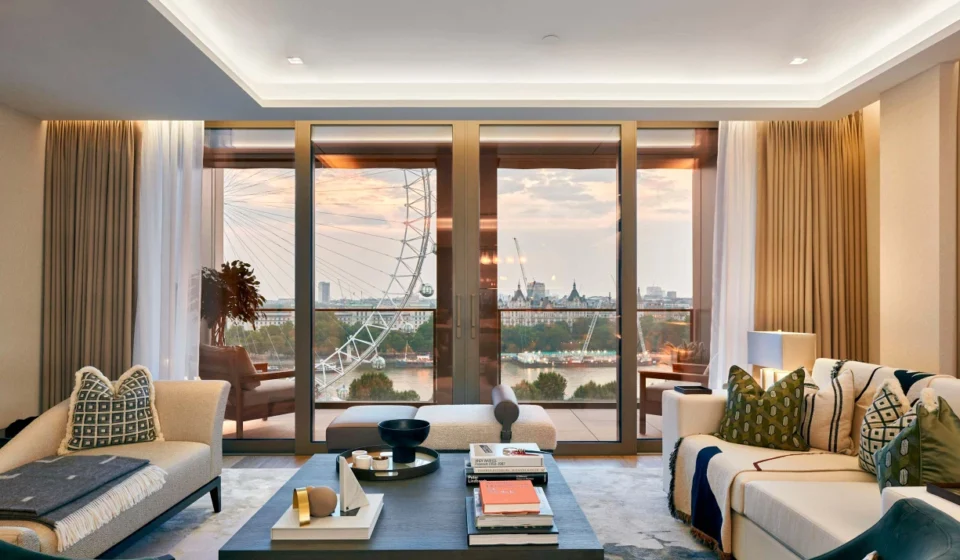

Fresh residential lighting guidance released on August 5, 2026 places renewed attention on a feature that many homeowners overlook every day. The latest recommendations encourage architects, interior designers, and builders to maximize natural daylight while using carefully layered artificial lighting to reduce electricity use without sacrificing comfort. Rather than relying on a single bright ceiling fixture, the updated approach encourages lighting that supports daily routines, improves visual comfort, and lowers long term energy demand.
The guidance arrives as households continue searching for practical ways to manage rising utility costs while creating healthier indoor spaces. Designers involved in the recommendations argue that thoughtful lighting is no longer simply a decorative decision. It has become a meaningful part of sustainable residential design, influencing everything from energy consumption to productivity, relaxation, and overall wellbeing.
Why layered lighting has become a central design principle
For many years, residential lighting plans focused on installing enough fixtures to brighten every room. The updated recommendations shift attention toward purpose driven illumination. Instead of flooding a space with uniform brightness, designers recommend combining several lighting types that work together throughout the day.
A layered lighting strategy generally includes ambient lighting for overall visibility, task lighting for focused activities such as reading or cooking, and accent lighting that highlights artwork, architectural details, or textured surfaces. Vertical illumination also receives greater attention because lighting walls and other upright surfaces helps rooms appear brighter without requiring excessive power.
This method often allows homeowners to use lower intensity fixtures while maintaining excellent visual comfort. The result is a living environment that feels balanced instead of harsh, reducing unnecessary electricity consumption during both daytime and evening hours.
Natural daylight takes the leading role
The strongest message within the updated guidance is the value of daylight. Architects recommend designing homes that capture sunlight more effectively through window placement, room orientation, reflective finishes, and thoughtful interior layouts.
Natural light delivers benefits that extend well beyond lower electricity bills. Exposure to daylight helps support healthy sleep patterns, improves mood, and creates interiors that appear more spacious and welcoming. Families often notice that colors appear richer and textures become more vibrant under sunlight than under artificial illumination.
The guidance encourages homeowners planning renovations to think beyond adding larger windows. Designers suggest evaluating furniture placement, window treatments, wall colors, and reflective materials that help distribute daylight farther into interior spaces.
Readers interested in residential energy efficiency can also explore resources from the United States Department of Energy, which provides practical guidance on reducing household energy consumption through better building design and efficient technologies.
Vertical lighting changes how rooms feel
One notable aspect of the 2026 recommendations is the growing focus on vertical lighting. Traditional residential layouts often concentrate light downward onto floors and furniture. Designers now encourage directing some illumination toward walls, shelving, and architectural features.
Lighting vertical surfaces increases the perception of brightness because human eyes naturally respond to illuminated surroundings rather than simply measuring light on the floor. A room with brighter walls frequently appears larger, cleaner, and more inviting even when using fewer watts.
This principle has become increasingly popular in living rooms, home offices, kitchens, and hallways where visual comfort plays an important role throughout the day.
Energy efficiency begins with thoughtful planning
Architects involved in the updated guidance stress that lighting efficiency should begin during the earliest design stages rather than after construction has finished. Fixture placement, room dimensions, ceiling height, window orientation, and furniture arrangement all influence how much artificial lighting will ultimately be required.
Design professionals recommend evaluating lighting needs room by room instead of applying identical fixtures throughout an entire house. A kitchen designed for food preparation requires different illumination than a bedroom intended for relaxation. Similarly, home offices benefit from carefully directed task lighting that reduces glare while supporting extended screen use.
Thoughtful planning also creates opportunities to integrate efficient LED fixtures, occupancy sensors, dimmers, and daylight responsive controls. These technologies allow lighting levels to adjust naturally as daylight conditions change.
Simple design choices can make a measurable difference
- Choose light colored walls that reflect available daylight.
- Position mirrors where they naturally distribute sunlight deeper into rooms.
- Use adjustable lighting controls for different daily activities.
- Select efficient LED fixtures with appropriate color temperatures.
- Avoid excessive brightness that creates glare and visual fatigue.
Lighting affects health as well as electricity use
The recommendations acknowledge growing research connecting indoor lighting with physical and emotional wellbeing. Comfortable lighting supports concentration during work, encourages relaxation in the evening, and creates safer environments for children and older adults.
Designers increasingly consider how lighting changes throughout the day instead of maintaining identical brightness from morning until bedtime. Softer evening illumination can help support natural circadian rhythms, while brighter daylight inspired lighting remains valuable for workspaces and kitchens during active hours.
Information about healthy building practices and sustainable residential design is also available through the U.S. Green Building Council, whose educational resources continue to influence environmentally responsible construction around the world.
Homeowners may not need expensive renovations
One encouraging aspect of the updated guidance is that many improvements require planning rather than major construction. Repositioning furniture to avoid blocking windows, replacing outdated fixtures with efficient alternatives, installing dimmers, or adding wall lighting can significantly improve both comfort and energy performance.
For homeowners considering larger remodeling projects, architects recommend discussing lighting during the earliest planning meetings instead of waiting until finishes have already been selected. Early coordination allows electrical layouts, window placement, and interior finishes to work together as a complete system.
This integrated approach often produces homes that feel naturally brighter while requiring less artificial illumination throughout much of the day.
Builders and designers see growing consumer demand
Residential buyers increasingly ask about energy costs alongside floor plans and interior finishes. Lighting has become part of that conversation because homeowners recognize that efficient design continues delivering value long after construction is complete.
Builders responding to these expectations are paying closer attention to window orientation, ceiling heights, room proportions, and fixture selection. Interior designers are likewise developing lighting plans that adapt to changing household activities rather than relying on one fixed lighting arrangement.
Industry professionals believe this shift reflects broader consumer interest in homes that combine comfort, sustainability, and long term affordability without compromising visual appeal.
Looking ahead
The updated 2026 residential lighting recommendations signal a broader movement toward thoughtful home design where every source of light serves a meaningful purpose. By combining abundant daylight with layered illumination and careful vertical lighting techniques, architects believe households can reduce energy consumption while creating interiors that feel warmer, calmer, and more comfortable.
As residential construction continues evolving, lighting is likely to remain one of the simplest yet most influential tools available to designers. Homes planned with daylight, efficient fixtures, and balanced illumination are positioned to deliver lasting benefits that extend beyond lower utility bills, supporting healthier living environments for years to come.