

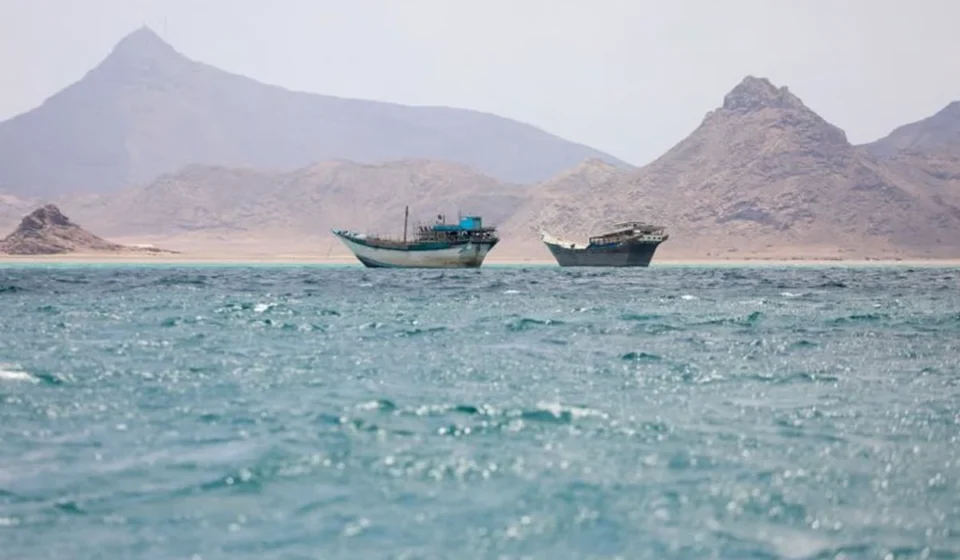

Commercial shipping through the Strait of Hormuz has slowed dramatically after missile attacks targeted oil tankers, sending a fresh wave of concern across international energy markets and diplomatic circles. The latest security crisis at one of the world’s busiest maritime corridors has forced shipping companies to reassess voyage plans, insurers to reevaluate risk, and governments to intensify discussions aimed at preventing a broader disruption to global trade. While naval forces continue monitoring the situation, the immediate decline in vessel traffic reflects growing caution among operators responsible for transporting millions of barrels of crude oil and refined petroleum products every day.
Why the Strait of Hormuz Matters to the Global Economy
The Strait of Hormuz is one of the most strategically important waterways on Earth. Connecting the Persian Gulf with the Gulf of Oman and the Arabian Sea, the narrow passage serves as a critical gateway for energy exports from several major oil producing nations. Every disruption along this route carries consequences that extend far beyond the Middle East.
Oil tankers, liquefied natural gas carriers, and cargo vessels routinely travel through these waters to supply markets across Asia, Europe, and North America. Even a temporary reduction in commercial traffic can influence fuel prices, shipping costs, and investor confidence.
Industry analysts have long warned that security incidents in this maritime corridor can ripple through supply chains within days. Businesses dependent on stable fuel prices often react quickly, while governments monitor inventories and strategic reserves to reduce the impact of unexpected disruptions.
Missile Attacks Trigger Immediate Shipping Response
The recent missile attacks against oil tankers prompted shipping companies to adopt more cautious operating procedures. Some vessels delayed departures, while others adjusted schedules until additional security assessments could be completed.
Marine insurers also responded by reviewing war risk premiums for ships entering the region. Higher insurance costs often translate into increased transportation expenses, which can eventually affect fuel prices and the cost of goods moving through international supply chains.
For ship captains and crew members, these developments represent more than financial calculations. Every voyage through a high risk area requires careful planning, constant communication with maritime authorities, and close coordination with naval patrols operating nearby.
Diplomatic Talks Gain New Momentum
The attacks have accelerated diplomatic discussions among regional governments and major economic powers concerned about maintaining freedom of navigation. Officials are seeking practical measures that reduce the likelihood of additional violence while protecting commercial shipping routes.
International organizations and maritime security partners continue encouraging dialogue rather than military escalation. Diplomatic engagement remains one of the few tools capable of reducing tensions without creating further instability across an already sensitive region.
Governments dependent on imported energy are also participating in consultations because any prolonged interruption could influence economic growth, inflation, and industrial production.
Readers seeking background information about international maritime law can explore resources published by the International Maritime Organization, while energy market data and analysis are available through the International Energy Agency.
Energy Markets Watch Every Development
Energy traders typically respond quickly to uncertainty surrounding major shipping routes. Even before actual supply shortages emerge, expectations alone can influence commodity markets.
If commercial traffic remains below normal levels for an extended period, refiners may experience delivery delays, particularly in regions heavily dependent on Gulf energy exports. Financial markets also monitor these developments because rising energy costs frequently influence inflation expectations and broader economic performance.
At the same time, many countries have invested in strategic petroleum reserves and diversified supply networks precisely to reduce vulnerability during geopolitical crises. These measures may soften immediate market shocks, although they cannot fully replace uninterrupted maritime commerce through the Strait of Hormuz.
Shipping Companies Balance Safety and Business Continuity
Modern shipping companies operate in an environment where efficiency and safety must coexist. Every decision to delay a vessel, reroute cargo, or postpone loading schedules affects customers, ports, suppliers, and transportation networks around the globe.
Executives are now weighing several factors before authorizing voyages through the affected region.
- Updated intelligence regarding maritime security conditions.
- Insurance coverage and revised operating costs.
- Availability of naval escorts or regional security support.
- Potential scheduling disruptions at destination ports.
- Contractual obligations involving energy deliveries.
These decisions become increasingly complex when demand for oil remains steady while transportation risks continue rising.
Regional Communities Feel the Pressure
Beyond financial markets and diplomatic negotiations, regional communities also experience the effects of heightened maritime tension. Port workers, logistics companies, fishermen, and businesses connected to international shipping face uncertainty whenever commercial traffic declines.
Many coastal economies depend heavily on consistent maritime activity. Reduced vessel arrivals can influence employment, port revenue, and supporting industries that provide maintenance, supplies, and transportation services.
Families working throughout the maritime sector often experience anxiety during periods of heightened security risk. While headlines focus on oil markets and diplomacy, thousands of seafarers continue performing demanding jobs far from home under increasingly challenging conditions.
Global Supply Chains Could Face Additional Pressure
The shipping slowdown arrives at a time when international supply networks continue adapting to previous disruptions involving pandemics, regional conflicts, and changing trade patterns. Companies have spent several years building more resilient logistics strategies, yet critical maritime passages remain difficult to replace.
Longer shipping routes around alternative waterways require additional fuel, more sailing time, and increased operating expenses. These factors can reduce efficiency throughout global commerce, particularly for industries dependent on predictable delivery schedules.
Manufacturers, airlines, transportation companies, and agricultural producers all monitor fuel costs closely because energy prices influence nearly every stage of production and distribution.
Military Presence Provides Some Reassurance
Naval forces operating in the region continue conducting surveillance and coordinating with commercial shipping operators. Their presence aims to discourage further attacks while supporting safe navigation through internationally recognized shipping lanes.
Security experts caution, however, that military patrols alone cannot eliminate every threat. Lasting stability depends upon diplomatic progress, regional cooperation, and continued communication among governments with interests in maintaining open sea lanes.
Commercial shipping has historically demonstrated remarkable resilience during periods of geopolitical tension, but operators remain cautious whenever attacks directly target civilian vessels.
What Comes Next
The coming days will likely determine whether the recent decline in Strait of Hormuz traffic represents a temporary slowdown or the beginning of a longer period of disruption. Diplomatic negotiations, regional security assessments, and shipping company decisions will collectively shape how quickly commercial confidence returns.
Global energy consumers, investors, and policymakers will continue watching developments closely. The Strait of Hormuz remains an essential artery for international commerce, and its stability influences households, businesses, and industries far beyond the waters where the latest attacks occurred.
While markets have weathered similar crises before, every incident serves as a reminder that the security of key maritime corridors remains deeply connected to economic stability, affordable energy, and the uninterrupted movement of goods across the world.