

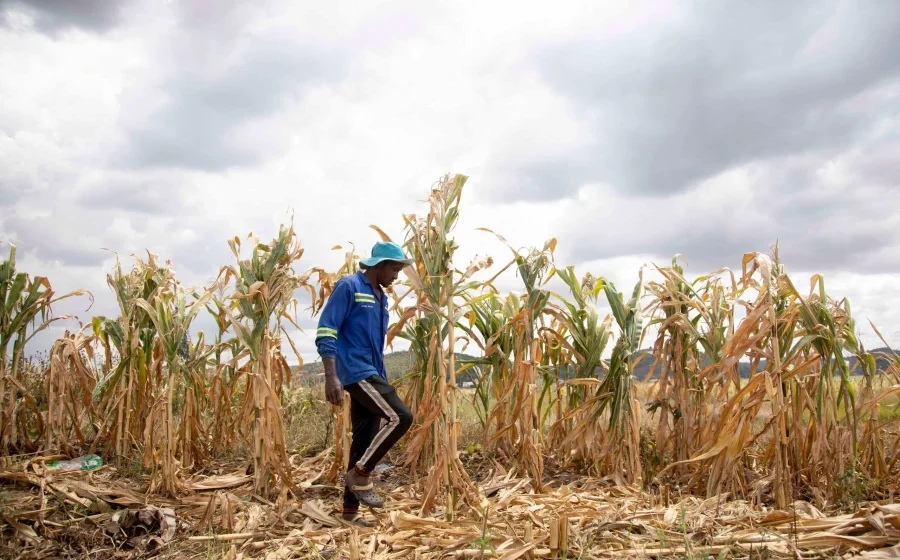

The United Nations World Food Programme has issued an urgent warning that a powerful El Niño weather pattern could push as many as 49 million additional people into acute food insecurity across the globe. The agency is calling for immediate agricultural support, emergency funding, and coordinated international action before climate driven crop failures and rising food prices place even greater pressure on families already struggling to secure daily meals. The warning arrives at a time when many vulnerable communities are still recovering from previous climate shocks, conflict, and economic instability.
Why El Niño Raises Serious Concerns for Global Food Security
El Niño is a naturally occurring climate phenomenon that develops when ocean surface temperatures in the central and eastern Pacific Ocean become unusually warm. While it begins far from many farming regions, its influence stretches across continents, altering rainfall patterns, increasing the risk of drought in some areas while triggering severe flooding in others.
For farmers who rely on predictable growing seasons, these weather disruptions can mean the difference between a successful harvest and complete crop failure. Dry fields, shrinking water supplies, damaged irrigation systems, and extreme temperatures often combine to reduce agricultural production. Livestock also face greater risks as grazing land deteriorates and clean water becomes scarce.
The World Food Programme believes these conditions could significantly worsen existing humanitarian crises. Millions of households already living close to the poverty line may struggle to purchase food as reduced harvests contribute to higher market prices and lower incomes.
Millions Already Face Food Insecurity Before the Climate Shock
The latest warning highlights an uncomfortable reality. Large parts of the world entered 2026 with fragile food systems after years of overlapping crises. Armed conflicts, inflation, supply chain disruptions, and repeated climate disasters have weakened agricultural resilience across many low income countries.
Communities in parts of Africa, Asia, Latin America, and the Pacific are particularly vulnerable because many families depend directly on rain fed agriculture. Even a single failed growing season can erase years of economic progress, forcing households to reduce meals, sell productive assets, or withdraw children from school to help generate income.
Children often experience the harshest consequences. Poor nutrition during critical stages of development can lead to long lasting health problems, weaker immune systems, and reduced educational outcomes. Pregnant women, older adults, and displaced populations also face elevated risks during extended food shortages.
Immediate Agricultural Aid Could Reduce the Human Cost
The World Food Programme is urging governments, humanitarian organizations, and international donors to act before weather conditions deteriorate further. Early investment in agriculture is generally more effective and less expensive than responding after widespread crop losses have already occurred.
Priority actions include:
- Providing drought resistant seeds to farmers before planting seasons begin.
- Expanding irrigation and water conservation projects.
- Supporting livestock owners with emergency feed and veterinary services.
- Strengthening local food storage systems to reduce post harvest losses.
- Delivering emergency cash assistance and food support to the most vulnerable households.
Experts frequently point out that timely agricultural assistance helps families remain productive while reducing dependence on emergency relief later. Protecting harvests also helps stabilize local food supplies and reduces pressure on regional markets.
Climate Extremes Continue to Test Global Agriculture
Extreme weather linked to climate variability has become an increasingly important factor shaping food production worldwide. Farmers are facing longer dry seasons, heavier rainfall events, stronger storms, and shifting planting calendars that make traditional farming knowledge less reliable.
The result is greater uncertainty throughout the food supply chain. Lower crop yields affect processors, transport companies, retailers, and consumers. Countries that depend heavily on food imports may experience additional financial strain if international commodity prices rise during widespread production declines.
Agricultural scientists continue to study ways of improving resilience through better crop varieties, improved soil management, efficient irrigation, and climate forecasting. Reliable early warning systems allow governments and farming communities to prepare before severe conditions arrive. Additional information about climate monitoring and El Niño forecasts is available through the World Meteorological Organization.
Food Prices Could Become Another Major Challenge
Reduced agricultural output often translates into higher prices for staple foods. Families that spend a large share of their income on food are usually the first to feel the impact. Rising prices can reduce dietary quality as households shift toward less nutritious but more affordable options.
Urban communities are not immune. Although city residents may not depend directly on farming, they remain vulnerable when transportation costs increase and food supplies tighten. Small businesses involved in food processing, retail, and hospitality can also experience financial pressure as operating costs rise.
Global food markets have become increasingly interconnected, meaning production losses in one region can influence prices thousands of miles away. This interconnected system makes coordinated international planning especially important during major climate events.
International Cooperation Will Play a Critical Role
Humanitarian agencies stress that early action requires predictable funding and close cooperation among governments, development banks, research institutions, and local organizations. Investments in rural infrastructure, water management, climate resilient farming practices, and social protection programs can reduce the long term impact of recurring weather shocks.
Nutrition support must also remain a priority. School meal programs, maternal health initiatives, and community feeding efforts often become essential safety nets during periods of widespread food insecurity. Information about ongoing global hunger response efforts can be found through the United Nations World Food Programme.
Communities Continue to Show Remarkable Resilience
Despite growing risks, farming communities across the world continue to adapt with determination. Many producers are experimenting with water saving techniques, diversifying crops, restoring degraded land, and sharing local knowledge to improve resilience against changing weather conditions.
These local efforts demonstrate that practical solutions already exist. However, community initiatives alone cannot address challenges on the scale projected by humanitarian agencies. Sustained financial support, scientific research, and effective public policy remain essential to protect food production and livelihoods.
Looking Ahead
The World Food Programme warning serves as a reminder that food security depends on more than successful harvests. Stable weather, reliable markets, effective humanitarian systems, and international cooperation all play essential roles in keeping food available and affordable. If forecasts prove accurate, millions of additional people could face severe hunger in the months ahead.
Swift agricultural assistance, stronger climate preparedness, and continued investment in resilient food systems could help prevent the projected crisis from reaching its full scale. For communities standing on the front line of climate uncertainty, acting before the next failed harvest may prove far more effective than responding after empty fields and rising hunger become impossible to ignore.