

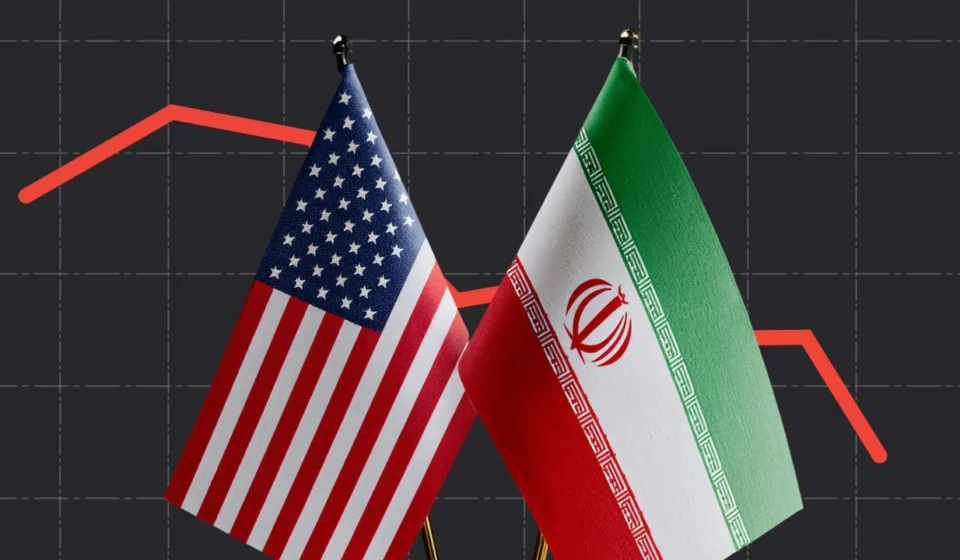

The United States and Iran have entered a fresh diplomatic chapter after President Donald Trump announced that planned military strikes against Iranian positions would be postponed to make room for direct negotiations. The decision shifts immediate attention away from the battlefield and toward the negotiating table, where nuclear commitments and the security of critical shipping lanes in the Red Sea and the Strait of Hormuz are expected to dominate discussions. The move arrives at a moment when global markets, regional governments, and commercial shipping operators have been watching every development with growing concern.
The announcement reflects a familiar reality in international affairs. Military pressure and diplomacy often move side by side, with governments attempting to strengthen their bargaining positions while avoiding a broader conflict. For millions of people whose livelihoods depend on stable energy supplies, secure trade routes, and predictable financial markets, the outcome of these talks could carry consequences far beyond the Middle East.
Diplomacy Replaces Immediate Military Action
President Trump said the postponement of new military action is intended to provide an opportunity for direct negotiations with Iranian officials. The reported agenda includes nuclear concessions as well as maritime security arrangements designed to reduce the risk of attacks or confrontations in waters that carry a significant share of the world’s energy exports.
The decision signals that Washington believes diplomacy still has room to produce measurable progress before resorting to additional force. While military options remain available, delaying strikes gives negotiators time to explore confidence building measures that could reduce tensions without creating another cycle of retaliation.
Diplomatic observers note that negotiations involving the United States and Iran have historically been complex, often requiring months of technical discussions alongside political dialogue. Any agreement would likely involve detailed verification procedures, phased commitments, and international monitoring mechanisms.
Why the Nuclear Issue Remains Central
Iran’s nuclear activities have remained one of the most closely watched security issues in international politics for many years. Western governments have consistently argued that limitations on uranium enrichment and stronger monitoring measures are necessary to reduce the possibility of nuclear weapons development. Iranian leaders have repeatedly maintained that their nuclear program serves peaceful civilian purposes.
The renewed negotiations are expected to focus on practical steps rather than broad political statements. Possible areas of discussion may include inspection procedures, enrichment limits, transparency measures, and timelines for implementation. Such technical details often determine whether diplomatic agreements survive beyond their initial signing.
The International Atomic Energy Agency continues to play an important role in monitoring nuclear activities worldwide. Any future arrangement involving Iran would almost certainly involve international verification to build confidence among participating nations.
Maritime Security Becomes a Shared Priority
Beyond nuclear issues, maritime security has emerged as another major topic on the negotiating agenda. The Red Sea and the Strait of Hormuz serve as essential arteries for international commerce, connecting energy producers with customers across Asia, Europe, and other regions.
Even limited disruptions in these waterways can increase shipping costs, delay deliveries, and place upward pressure on fuel prices. Tankers, container vessels, and cargo ships rely on safe passage through these narrow routes every day. Insurance costs often rise quickly whenever security risks increase, adding another financial burden for businesses and consumers.
Diplomatic efforts aimed at protecting commercial navigation could help reduce uncertainty for shipping companies while lowering the possibility of accidental military encounters between regional forces.
Economic Stakes Extend Far Beyond the Region
The financial implications of improved relations between Washington and Tehran extend well beyond government policy. Investors frequently react to geopolitical developments involving the Middle East because of the region’s importance to global energy production.
If negotiations make meaningful progress, energy markets could experience greater stability as fears of supply disruptions begin to ease. Lower geopolitical risk often encourages investment while supporting more predictable pricing across industries that depend heavily on transportation and fuel.
Manufacturers, airlines, logistics providers, and agricultural exporters all monitor developments in the region because shipping delays and higher energy costs eventually affect supply chains across multiple continents.
Regional Allies Will Watch Every Step
Countries throughout the Middle East are expected to monitor the negotiations closely. Regional governments have differing security priorities, economic interests, and diplomatic relationships with both Washington and Tehran.
Some partners may welcome a reduction in military tensions if it lowers the possibility of wider regional conflict. Others could seek assurances that any agreement maintains strong security commitments while preventing renewed instability.
The challenge for negotiators lies in balancing immediate diplomatic progress with long term regional confidence. Agreements that satisfy only one side often struggle to produce lasting stability.
Lessons From Earlier Diplomatic Efforts
Relations between the United States and Iran have experienced repeated periods of confrontation and negotiation over several decades. Previous agreements demonstrated that diplomacy can produce tangible results, yet they also revealed how quickly progress can unravel when political priorities change.
Successful negotiations generally depend on several factors.
- Clear verification mechanisms.
- Realistic implementation schedules.
- Regular diplomatic communication.
- Mutual confidence that commitments will be respected.
These elements often receive less public attention than political speeches, yet they frequently determine whether agreements remain effective over time.
International Community Encourages Continued Dialogue
Many governments and international organizations have consistently encouraged diplomatic engagement as the preferred path for resolving disputes involving nuclear activities and regional security. Negotiations reduce the immediate risk of military escalation while creating opportunities to address technical disagreements through structured discussions.
The United Nations has long supported peaceful conflict resolution through dialogue, negotiation, and international cooperation. Although individual countries maintain their own strategic priorities, diplomatic channels remain one of the few mechanisms capable of addressing multiple security concerns simultaneously.
Challenges Still Stand in the Way
Despite the positive signal created by postponing military action, significant obstacles remain. Years of mutual distrust cannot be erased through a single round of meetings. Negotiators will likely encounter disagreements over inspection procedures, sanctions, regional military activity, and the sequence in which commitments should be fulfilled.
Domestic political considerations also influence diplomatic flexibility. Leaders on both sides must balance international negotiations with expectations from lawmakers, security officials, and the public. That balancing act often shapes the pace of discussions as much as technical negotiations themselves.
Unexpected incidents at sea or elsewhere in the region could also complicate diplomatic momentum. Maintaining open communication during periods of heightened tension may prove just as important as the negotiations themselves.
What Comes Next
The coming days are expected to focus on establishing the structure of direct talks and identifying areas where early progress may be possible. Negotiators may seek confidence building measures before moving toward more difficult issues involving nuclear commitments and regional security arrangements.
While no outcome can be guaranteed, postponing military strikes provides valuable diplomatic space at a moment when many observers feared another escalation. Even limited agreements on maritime safety or transparency measures could reduce immediate risks while creating momentum for broader negotiations.
For families, businesses, and governments around the world, the significance of these discussions reaches far beyond diplomatic meeting rooms. Stable shipping lanes help keep goods moving across oceans. Lower geopolitical tension supports more predictable energy markets. Constructive dialogue offers at least the possibility of reducing uncertainty that has shaped the region for years.
The decision to place diplomacy ahead of immediate military action does not eliminate longstanding disagreements between the United States and Iran. It does, however, reopen a path where negotiation, verification, and sustained communication have another opportunity to influence the future before conflict once again becomes the dominant headline.