

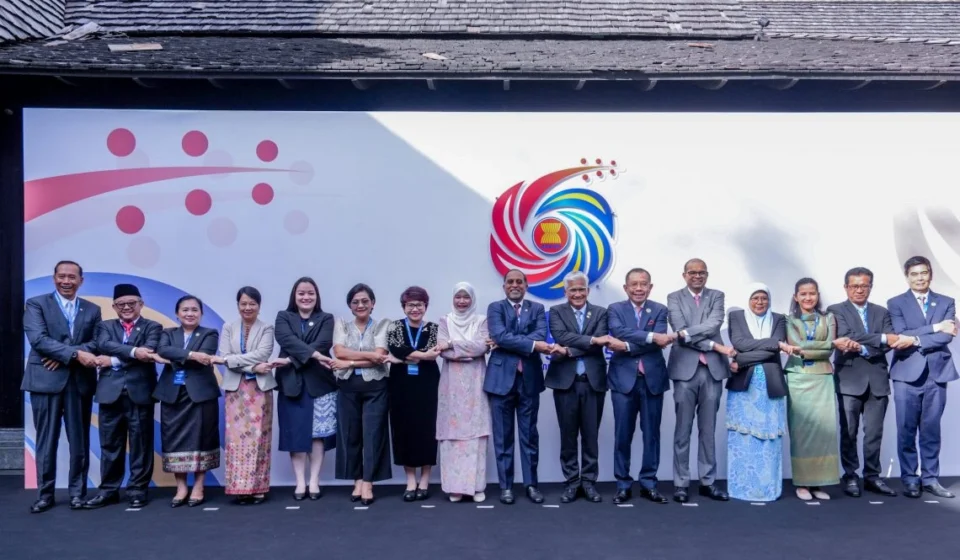

Education leaders from Southeast Asia gathered in Singapore on August 2, 2026, to agree on an ambitious regional roadmap that aims to reshape how millions of students learn over the next decade. The newly adopted Manila Plan of Action covering 2026 through 2036 sets a shared vision for cross border digital learning standards while expanding climate resilience education across schools. The agreement reflects a growing belief that the future of education depends not only on academic achievement but also on preparing young people to adapt to rapid technological change and increasingly frequent environmental challenges.
The summit brought together education ministers from member states of the Association of Southeast Asian Nations with a common goal of making education systems more connected, more resilient, and better equipped for the realities of the twenty first century. While each country maintains its own national curriculum and priorities, the framework creates opportunities for greater cooperation in digital classrooms, teacher development, student exchanges, and emergency education planning.
A shared vision for education across Southeast Asia
The Manila Plan of Action represents one of the most comprehensive education cooperation efforts undertaken by ASEAN in recent years. Rather than replacing national education systems, the framework encourages countries to work toward compatible digital learning practices that can make collaboration easier across borders.
Regional leaders recognize that students increasingly live in an interconnected world where digital skills, communication, and cross cultural understanding matter as much as traditional academic knowledge. Common standards can improve the quality of online education, support the recognition of digital credentials, and encourage schools to share educational resources more effectively.
The agreement also highlights the importance of reducing educational inequalities between urban and rural communities. Reliable digital infrastructure, teacher training, and improved access to online learning platforms remain major priorities for many countries throughout Southeast Asia.
Digital learning moves from emergency response to long term strategy
The rapid expansion of online education during recent global disruptions demonstrated both the possibilities and the limitations of digital learning. Many schools adopted virtual classrooms out of necessity, yet unequal internet access, limited teacher preparation, and inconsistent learning standards exposed significant gaps.
The new framework seeks to address those weaknesses by encouraging member countries to develop compatible digital education policies. Areas expected to receive greater attention include:
- Shared guidance for digital classroom quality
- Professional development for teachers using educational technology
- Safe and responsible use of digital learning platforms
- Improved access for students in underserved communities
- Regional cooperation on educational innovation
Education experts have long argued that technology alone cannot improve learning outcomes. Successful digital education depends on thoughtful curriculum design, trained educators, reliable infrastructure, and meaningful student engagement. The ASEAN framework reflects that broader understanding by placing equal attention on teaching quality and technological access.
Climate resilience becomes a central classroom priority
One of the defining features of the Manila Plan of Action is its strong focus on climate resilience education. Southeast Asia regularly experiences floods, typhoons, droughts, rising sea levels, and extreme heat that disrupt schools and communities alike. Education ministers agreed that preparing students for these realities should become a permanent part of school planning rather than an occasional topic.
Climate resilience programs are expected to encourage practical learning that helps students understand environmental risks while building problem solving skills. Schools may increasingly introduce lessons covering disaster preparedness, sustainable resource management, biodiversity protection, and local environmental stewardship.
The framework also encourages stronger cooperation between education authorities and disaster management agencies so that schools can continue operating during emergencies whenever possible. This includes planning for alternative learning methods, protecting school facilities, and supporting student wellbeing during crises.
Teachers remain at the heart of educational progress
Although digital platforms receive considerable attention, the summit reinforced the idea that teachers remain the foundation of every successful education system. Technology can support learning, but meaningful education still depends on knowledgeable educators who inspire curiosity, critical thinking, and confidence.
The regional roadmap encourages expanded teacher exchanges, collaborative professional learning, and opportunities to share successful classroom practices across ASEAN countries. Such cooperation allows educators to learn from different educational traditions while adapting new methods to local communities.
Professional development is expected to include digital teaching skills, climate education, inclusive learning strategies, and classroom innovation that responds to changing student needs.
Why regional cooperation matters
Southeast Asia represents one of the world’s most dynamic and youthful regions. Millions of children will enter schools over the coming decade, making education policy one of the most influential investments governments can make.
Greater regional cooperation offers several practical benefits. Students may eventually experience smoother academic exchanges across borders. Universities and employers could gain greater confidence in comparable digital qualifications. Educational researchers may collaborate more effectively on teaching innovation, while governments can share solutions to common challenges.
The framework also recognizes that issues such as digital inclusion and climate adaptation extend beyond national boundaries. A flood affecting one country, a cybersecurity challenge targeting educational systems, or a shortage of qualified teachers can produce lessons that benefit the entire region when knowledge is shared openly.
Challenges still lie ahead
Adopting a regional framework marks only the beginning. Implementation will require sustained political commitment, financial investment, and careful coordination among ministries, schools, universities, and local communities.
Some countries possess highly developed digital infrastructure while others continue expanding reliable internet access in remote regions. Differences in language, curriculum, teacher preparation, and available resources mean that progress will likely occur at different speeds.
Education specialists also caution that digital learning should complement rather than replace classroom interaction. Students benefit from face to face collaboration, social development, and personal guidance that technology cannot fully replicate.
Another important consideration involves cybersecurity and student privacy. As educational systems rely more heavily on digital platforms, governments will need strong safeguards that protect personal information while maintaining secure learning environments.
International collaboration continues to grow
The ASEAN initiative aligns with broader international efforts to improve education quality through cooperation. Organizations such as UNESCO have encouraged countries to share knowledge on digital education, teacher development, and sustainable learning systems. Similarly, the UNICEF education programs continue supporting equitable learning opportunities for children facing social, economic, or environmental challenges.
Regional partnerships often allow governments to test innovative approaches more quickly than acting alone. Successful pilot programs can be adapted across neighboring countries while avoiding repeated mistakes and reducing development costs.
Students stand to benefit the most
For families across Southeast Asia, the significance of the Manila Plan of Action extends beyond policy documents and ministerial meetings. Its success will ultimately be measured in classrooms where students gain stronger digital skills, better environmental awareness, and greater opportunities to learn from peers across national borders.
A child attending school in a coastal community vulnerable to rising sea levels may receive practical education that improves community preparedness. A student in a rural village could gain better access to quality digital resources once unavailable. Teachers may collaborate with colleagues from neighboring countries, bringing fresh ideas into everyday lessons.
These individual experiences represent the broader purpose of the agreement. Education is not simply about preparing students for examinations. It also equips future generations with the knowledge, confidence, and adaptability needed to face changing economic conditions, environmental uncertainty, and technological progress.
Looking toward 2036
The Manila Plan of Action provides ASEAN with a long term direction that extends well beyond immediate policy cycles. Over the next ten years, governments will have opportunities to refine digital learning standards, strengthen climate resilience programs, improve teacher preparation, and reduce educational disparities across the region.
Success will depend on consistent implementation, continued investment, and meaningful collaboration among governments, educators, parents, and students. If those commitments remain strong, the framework could help shape a generation of learners who are better prepared for a connected world while remaining deeply aware of the environmental responsibilities that will define the decades ahead.