

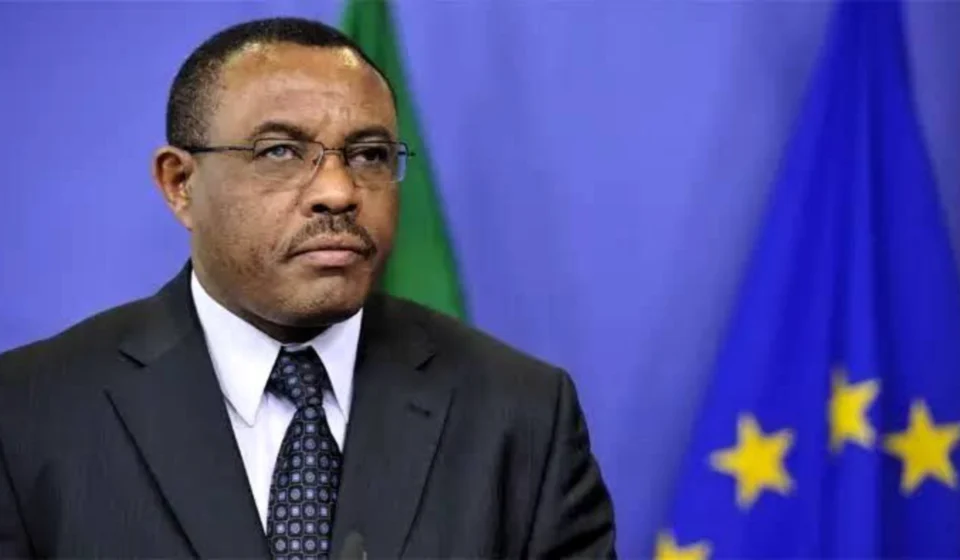

Global agricultural research partnership CGIAR has appointed former Ethiopian Prime Minister Hailemariam Dessalegn Boshe as its new Board Chair, marking a significant leadership change for one of the world’s most influential agricultural science organizations. Announced on August 1, 2026, the appointment comes at a time when food security, water scarcity, land degradation, and climate related pressures continue to reshape farming systems across every continent. The decision places an experienced political leader at the forefront of international efforts to support sustainable agriculture, strengthen scientific collaboration, and improve livelihoods for millions of farming families.
For communities that depend on healthy crops, reliable water supplies, and resilient food systems, leadership at CGIAR carries consequences that extend far beyond research laboratories. Scientific discoveries made through the partnership often reach farmers in the form of improved crop varieties, smarter irrigation methods, stronger disease resistance, and better land management practices. With Hailemariam Dessalegn Boshe assuming the role of Board Chair, expectations are growing that policy experience and scientific innovation can work more closely together to address mounting global challenges.
Why CGIAR Plays Such a Central Role in Global Agriculture
CGIAR is one of the world’s leading agricultural research partnerships, bringing together international research centers, governments, universities, development agencies, and private sector collaborators. Its mission focuses on advancing food, land, and water systems that improve nutrition, reduce poverty, and strengthen environmental sustainability.
The organization supports research that touches nearly every aspect of agriculture. Scientists working within the CGIAR network develop climate resilient crops, study sustainable farming practices, improve livestock health, protect biodiversity, and identify practical solutions for regions facing severe environmental stress. More information about its global programs is available through the official CGIAR website.
The importance of this work continues to grow as rising temperatures, unpredictable rainfall, population growth, and geopolitical instability place increasing pressure on agricultural production. Research findings generated through CGIAR frequently influence farming practices across Africa, Asia, Latin America, and other regions where agriculture remains central to economic development.
Hailemariam Dessalegn Boshe Brings Extensive Government Experience
Hailemariam Dessalegn Boshe served as Prime Minister of Ethiopia during a period marked by rapid economic development, infrastructure expansion, and significant policy discussions surrounding agriculture and rural development. Ethiopia’s economy has long depended on agriculture, making food production, water management, and rural livelihoods central priorities throughout his public service.
That background offers practical insight into the realities faced by governments attempting to balance economic growth with environmental protection and food security. As Board Chair, he is expected to help strengthen cooperation between scientific institutions, policymakers, financial partners, and farming communities.
Leadership within an international research partnership requires more than administrative oversight. It involves bringing together organizations with diverse priorities while ensuring research continues to address practical needs experienced by farmers confronting drought, floods, pests, soil degradation, and changing weather conditions.
A Critical Moment for Global Food Systems
The appointment arrives during a period when international food systems face interconnected challenges. Climate variability has affected harvests in many regions, while water shortages continue to threaten agricultural productivity. Population growth increases demand for food even as arable land becomes more constrained.
Researchers increasingly recognize that food security depends upon integrated solutions rather than isolated scientific breakthroughs. Crop genetics, irrigation technology, soil restoration, nutrition, biodiversity conservation, and market access all influence whether farming communities can remain productive over the long term.
CGIAR’s research strategy reflects this interconnected approach by supporting multidisciplinary projects that combine agricultural science with economics, environmental research, nutrition, and social policy.
Research That Reaches Farmers
Although CGIAR is widely recognized for scientific excellence, its ultimate success depends on whether research produces meaningful improvements for farmers and consumers. New seed varieties that tolerate drought, farming methods that conserve water, and disease resistant crops can directly influence harvests, household incomes, and local food availability.
Across many developing economies, smallholder farmers operate under increasingly difficult conditions. Limited financial resources often leave little room for experimentation, making reliable scientific guidance especially valuable. Research partnerships therefore serve as bridges between laboratory innovation and practical field application.
This connection between science and everyday agriculture explains why leadership decisions within CGIAR attract attention from governments, international organizations, and development agencies alike.
Leadership That Bridges Policy and Science
One notable aspect of Hailemariam Dessalegn Boshe’s appointment is the combination of political leadership experience with international development priorities. Scientific organizations increasingly benefit from leaders who understand how research findings move into government policy, national investment strategies, and international cooperation.
Agricultural innovation rarely succeeds through scientific discovery alone. Farmers require supportive institutions, effective extension services, financing opportunities, stable markets, and public investment. Governments, research institutions, nonprofit organizations, and development banks each play a role in translating research into measurable improvements.
The Board Chair can help strengthen those relationships while encouraging collaboration across regions facing different agricultural conditions but similar long term risks.
Climate Adaptation Remains a Major Priority
Climate adaptation continues to shape much of the international agricultural research agenda. Longer droughts, stronger floods, shifting pest populations, and changing growing seasons require continuous innovation. Scientists increasingly focus on helping farming systems remain productive despite greater environmental uncertainty.
Research into climate resilient crops, sustainable water management, carbon conscious farming practices, and ecosystem restoration has become central to maintaining global food supplies. International cooperation remains essential because environmental challenges often extend across national borders.
Many CGIAR research programs contribute directly to global sustainability objectives outlined by the United Nations Sustainable Development Goals, particularly those addressing hunger, clean water, climate action, and responsible use of natural resources.
What Stakeholders Will Watch Next
As Hailemariam Dessalegn Boshe begins serving as Board Chair, researchers, policymakers, development organizations, and agricultural partners will closely observe several areas of progress.
- Continued investment in climate resilient agricultural research.
- Stronger partnerships between research institutions and national governments.
- Greater support for smallholder farmers across vulnerable regions.
- Expanded collaboration on sustainable land and water management.
- Improved integration of scientific evidence into agricultural policy.
These priorities reflect broader international efforts to improve food security while protecting natural resources for future generations.
A Leadership Transition With Global Significance
The selection of Hailemariam Dessalegn Boshe represents more than a routine governance decision. It places an experienced statesman in charge of guiding one of the world’s most influential agricultural research partnerships during a period of profound environmental and economic change.
The coming years will test how effectively scientific innovation can respond to climate pressures, population growth, and evolving food demands. Success will depend upon collaboration among researchers, governments, financial institutions, and farming communities working toward shared goals.
For millions of people whose daily lives depend upon productive farms and reliable food systems, the work led by CGIAR remains deeply connected to everyday realities. Leadership capable of connecting scientific research with practical policy solutions could play an important role in shaping more resilient agriculture for the decades ahead.