

Uganda has officially been declared free of Ebola transmission after international health authorities confirmed that the country completed the required monitoring period without recording any new infections. The announcement, made on July 28, 2026, marks a major public health milestone for a nation that has repeatedly confronted deadly viral outbreaks with resilience, scientific discipline, and community cooperation. For families who lived through months of uncertainty, the declaration represents more than a medical achievement. It is a moment of relief, remembrance, and renewed confidence in the country’s healthcare system.
Zero New Cases Mark the End of the Emergency Phase
The official declaration followed internationally recognized surveillance protocols that require a sustained period without new confirmed Ebola cases before an outbreak can be considered over. Health authorities, working alongside the World Health Organization and regional partners, verified that transmission chains had been interrupted and that extensive monitoring found no evidence of continued community spread.
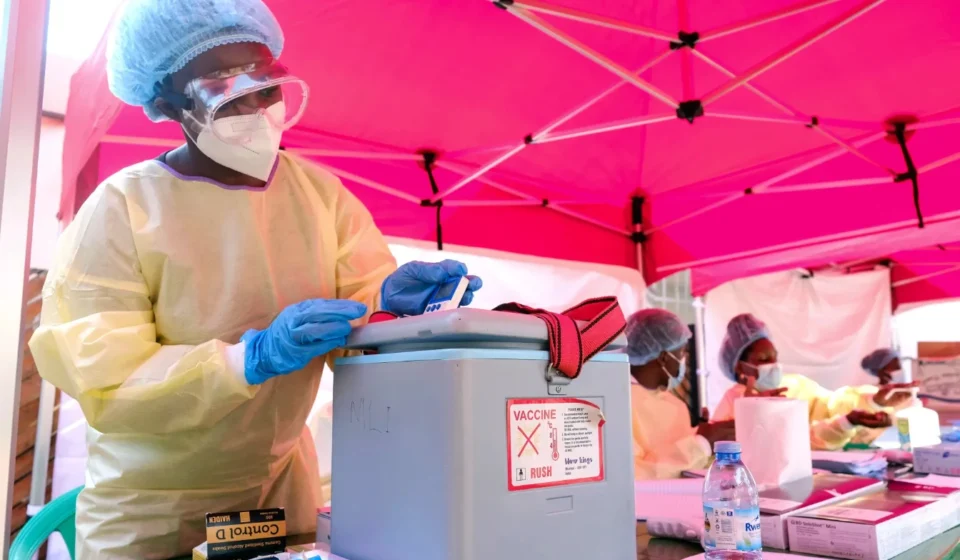
The end of the outbreak does not erase the pain experienced by affected families or healthcare workers. Every Ebola response carries stories of patients, medical teams, laboratory specialists, contact tracers, and volunteers who work under extraordinary pressure. Their efforts often begin long before international headlines appear and continue well after public attention shifts elsewhere.
Public health experts caution that declaring an outbreak over is not the same as eliminating future risk. Ebola remains present in parts of Africa through animal reservoirs, making continued vigilance an essential part of long term disease prevention.
How Uganda Contained the Outbreak
Uganda has built significant experience responding to infectious disease emergencies over the past several decades. During the recent outbreak, authorities activated emergency operations quickly while coordinating with local governments, hospitals, laboratories, and international organizations.
Several measures contributed to controlling transmission.
- Rapid identification and laboratory confirmation of suspected cases.
- Comprehensive contact tracing to monitor people exposed to infected individuals.
- Isolation and specialized medical care for confirmed patients.
- Community education campaigns that encouraged early reporting of symptoms.
- Strict infection prevention practices in healthcare facilities.
Each of these steps required trust between health officials and local communities. Without public cooperation, even the strongest medical systems can struggle to contain highly infectious diseases.
Why the Declaration Matters Beyond Uganda
Ebola outbreaks rarely remain only a national concern. Neighboring countries often increase border screening, strengthen surveillance systems, and prepare hospitals whenever a new outbreak is reported. The official end of transmission reduces immediate regional health concerns while allowing neighboring governments to gradually return emergency resources to routine healthcare priorities.
The declaration also offers reassurance for international travelers, humanitarian organizations, educational institutions, and businesses operating throughout East Africa. Although normal activities can resume with greater confidence, experts continue encouraging countries to maintain preparedness plans for future outbreaks.
Global health agencies frequently describe outbreak response as a shared responsibility because infectious diseases can cross borders through travel and trade. Continued collaboration among African nations remains one of the strongest defenses against future emergencies.
The Human Cost Behind the Statistics
Numbers alone cannot capture the emotional weight of an Ebola outbreak. Communities often experience fear, grief, disrupted livelihoods, and social isolation. Families may lose loved ones while healthcare workers spend weeks wearing protective equipment under physically exhausting conditions.
Children can miss school while markets operate with fewer customers. Farmers, shop owners, and transportation workers may face declining income as people limit movement during periods of uncertainty. Even after transmission ends, psychological recovery often takes much longer than epidemiological recovery.
Mental health support, survivor care, and community rebuilding remain important parts of recovery. Survivors may continue receiving medical follow up while local health authorities strengthen public confidence through transparent communication.
The Role of International Cooperation
The successful conclusion of the outbreak reflects cooperation among Uganda’s Ministry of Health, local medical professionals, international researchers, humanitarian organizations, and global health institutions. Technical guidance, laboratory support, surveillance expertise, and emergency logistics all contributed to the response.
Scientific collaboration has steadily improved Ebola preparedness over recent years. Advances in diagnostics, infection control, vaccines, and outbreak investigation have allowed health authorities to respond more rapidly than during earlier epidemics.
Readers seeking additional information about Ebola prevention, symptoms, and response strategies can explore resources available through the World Health Organization and the Centers for Disease Control and Prevention, both of which maintain regularly updated guidance for healthcare professionals and the public.
What Ebola Is and Why Early Detection Matters
Ebola virus disease is a severe illness that can spread through direct contact with the bodily fluids of an infected person or contaminated materials. Symptoms often begin with fever, weakness, muscle pain, headache, and sore throat before progressing to more serious complications in some patients.
Early diagnosis plays a critical role in improving patient care while reducing opportunities for additional transmission. Healthcare workers are trained to recognize warning signs quickly and implement infection prevention measures that protect patients, medical staff, and surrounding communities.
Public awareness also remains essential. Prompt reporting of symptoms and cooperation with contact tracing teams significantly improve the chances of stopping outbreaks before they expand.
Lessons for Future Public Health Emergencies
The recent response reinforces several important lessons for governments around the world. Investment in laboratory capacity, trained healthcare professionals, disease surveillance, and public communication strengthens resilience against infectious disease threats long before emergencies occur.
Community engagement proved equally valuable. Public health guidance becomes far more effective when local leaders, religious organizations, schools, and neighborhood volunteers participate in sharing accurate information. Misinformation can spread rapidly during health emergencies, making trusted local voices indispensable.
The outbreak also demonstrated the value of sustained international cooperation rather than isolated national responses. Diseases that emerge in one location can quickly become regional or global concerns if surveillance systems are weak or delayed.
Recovery Begins While Preparedness Continues
Although emergency operations related to the outbreak will gradually wind down, Uganda’s health system is expected to maintain heightened surveillance for unusual illnesses while continuing training programs for healthcare personnel. Laboratories and emergency response teams developed during the outbreak will remain valuable assets for future public health challenges.
Officials are also likely to review the response carefully to identify strengths and opportunities for improvement. Such evaluations help refine emergency plans and contribute to broader international knowledge about outbreak management.
A Milestone Worth Celebrating With Care
Uganda’s official declaration of the end of Ebola transmission stands as a reminder that determined public health action can successfully interrupt even dangerous infectious diseases. The achievement reflects scientific expertise, disciplined coordination, courageous frontline workers, and communities willing to work together during an extraordinarily difficult period.
The celebration is understandably measured. Public health leaders recognize that vigilance remains essential because future outbreaks cannot be ruled out. Still, this milestone offers hope that strong preparation, rapid response, and public trust can save lives when new health threats emerge. For Uganda, July 28, 2026, will be remembered not only as the day an outbreak officially ended but also as a testament to perseverance, cooperation, and the enduring strength of its people.