

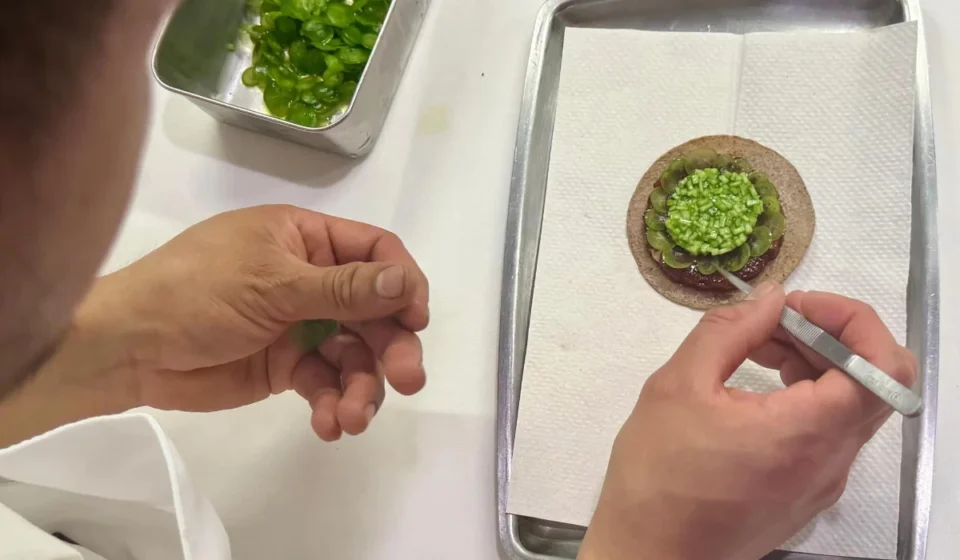

A remarkable chapter has been written in the story of international cuisine after a Mexican fine dining restaurant in San Francisco earned the coveted distinction of three Michelin stars. The achievement marks a defining moment not only for the restaurant itself but also for the global recognition of Mexican culinary artistry. Long celebrated for its rich traditions, regional diversity, and bold flavors, Mexican cuisine now stands at the highest level of restaurant excellence within one of the world’s most respected dining guides.
The recognition carries significance far beyond a single dining room. It reflects years of dedication, disciplined technique, cultural pride, and thoughtful storytelling through food. We are witnessing a shift that broadens the conversation around fine dining and challenges long held assumptions about which cuisines occupy the highest tiers of gastronomic achievement.
A Historic Moment for Mexican Cuisine
Receiving three Michelin stars is among the greatest honors any restaurant can achieve. Michelin describes the distinction as a destination worthy of a special journey, recognizing exceptional cooking that consistently reaches the highest standards of quality, creativity, precision, and hospitality. Information about Michelin’s evaluation process is publicly available through the Michelin Guide, whose inspectors anonymously assess restaurants across numerous countries.
For generations, Mexican food has been admired across the globe for its vibrant ingredients and deeply rooted traditions. Yet many people outside Mexico have often associated the cuisine with casual dining rather than refined culinary experiences. This latest recognition helps reshape that perception by demonstrating that traditional recipes, indigenous ingredients, and centuries of culinary heritage can be presented with extraordinary sophistication while remaining faithful to their origins.
The award also represents growing appreciation for chefs who choose authenticity over imitation. Rather than distancing themselves from cultural roots, many modern Mexican chefs have invested years studying family recipes, regional techniques, native produce, and historical cooking methods before interpreting them through a contemporary lens.
San Francisco Continues to Shape America’s Culinary Identity
San Francisco has long served as one of America’s leading culinary capitals. The city’s dining culture reflects influences from across Latin America, Asia, Europe, and the Pacific, creating an environment where innovation flourishes alongside tradition.
The newest three star achievement strengthens the city’s reputation as a destination where ambitious chefs can introduce fresh perspectives without abandoning authenticity. Diners visiting San Francisco increasingly seek experiences that combine storytelling, craftsmanship, sustainability, and cultural respect rather than luxury alone.
This atmosphere has encouraged restaurants representing many global cuisines to compete on equal footing. Mexican cuisine now joins an elite collection of establishments recognized for setting the highest international standards.
Why Three Michelin Stars Matter
The Michelin star system remains one of the most influential benchmarks in professional cooking. Restaurants are judged through anonymous inspections that focus primarily on the quality of the cuisine rather than decoration or celebrity status.
Inspectors generally consider several essential qualities.
- Exceptional quality of ingredients.
- Mastery of cooking techniques.
- Harmony and balance of flavors.
- The personality and vision expressed through the cuisine.
- Consistency across every visit.
Achieving three stars requires remarkable consistency over time. Every course must demonstrate technical excellence while delivering an unforgettable dining experience. For many chefs, earning even one Michelin star represents a career milestone. Reaching the highest level demands relentless commitment from every member of the kitchen and hospitality teams.
Traditional Roots Meet Contemporary Vision
The growing success of refined Mexican cuisine reflects a broader movement across the culinary world. Rather than replacing traditional dishes, leading chefs are exploring the history behind them and presenting familiar flavors with extraordinary precision.
Corn, beans, squash, cacao, native herbs, regional chiles, seafood, and seasonal produce remain central ingredients. Ancient preparation methods continue to inspire modern kitchens, where careful sourcing and scientific understanding help refine textures and deepen flavor while respecting cultural heritage.
Many chefs also work directly with farmers, artisans, and small producers to preserve heirloom ingredients that have supported communities for generations. This approach creates stronger local food systems while introducing diners to authentic regional products that rarely appear outside their places of origin.
The cultural importance of traditional Mexican cuisine has also received international recognition through UNESCO’s Representative List of the Intangible Cultural Heritage of Humanity, highlighting its enduring value as part of humanity’s shared heritage.
A Victory Shared Across the Culinary Community
The celebration extends well beyond one restaurant. Chefs throughout Mexico and across the United States have spent decades demonstrating that Mexican cuisine possesses extraordinary depth, technical sophistication, and regional complexity. Their collective efforts helped create the foundation for this historic recognition.
Young cooks entering culinary schools now have another powerful example that success does not require abandoning their cultural identity. Instead, authenticity, curiosity, and disciplined execution can earn global respect while preserving family traditions.
Restaurant owners may also find renewed confidence in investing in regional Mexican concepts that highlight lesser known recipes instead of relying solely on familiar menu items. Diners increasingly seek meaningful culinary experiences that introduce them to diverse traditions with honesty and care.
The Economic Impact Beyond the Dining Room
A three Michelin star restaurant often becomes a powerful tourism attraction. Travelers regularly plan international trips around destinations recognized by the Michelin Guide, bringing additional visitors to surrounding hotels, neighborhood businesses, local markets, and cultural attractions.
For San Francisco, the recognition arrives as another reminder of the city’s enduring influence within the global hospitality industry. Visitors seeking extraordinary dining experiences frequently extend their stays, benefiting a wide range of local businesses.
The achievement may also encourage greater demand for Mexican ingredients, specialty producers, artisanal crafts, and educational culinary experiences connected to Mexican food culture.
Changing the Global Conversation About Fine Dining
Fine dining continues to evolve. Luxury is no longer defined solely by imported ingredients or European traditions. Increasingly, the world’s leading restaurants celebrate local agriculture, cultural identity, sustainability, and meaningful storytelling through food.
This historic Michelin recognition reflects that broader evolution. Excellence can emerge from any culinary tradition when exceptional talent, rigorous technique, and genuine respect for heritage come together.
For many diners, memorable meals are not measured only by complexity or rarity. They are remembered because every bite carries history, emotion, craftsmanship, and a clear sense of place. Mexican cuisine offers all of these qualities in abundance, making this milestone feel both groundbreaking and long overdue.
Looking Ahead
The restaurant’s achievement is likely to inspire chefs across continents to continue exploring their own culinary identities with confidence. Rather than following established expectations, many may feel encouraged to celebrate regional traditions that have too often been overlooked within fine dining circles.
We believe this moment represents more than a prestigious award. It signals a wider appreciation for the richness of global food cultures and reminds us that culinary excellence has many voices. Every carefully prepared tortilla, thoughtfully balanced mole, freshly ground masa, and locally sourced ingredient tells a story that deserves international recognition.
San Francisco’s newest three Michelin star restaurant has demonstrated that honoring heritage and pursuing excellence are not competing ideals. Together they can produce experiences that resonate across borders, inspire future generations, and redefine how the world understands the very highest standards of gastronomy.