

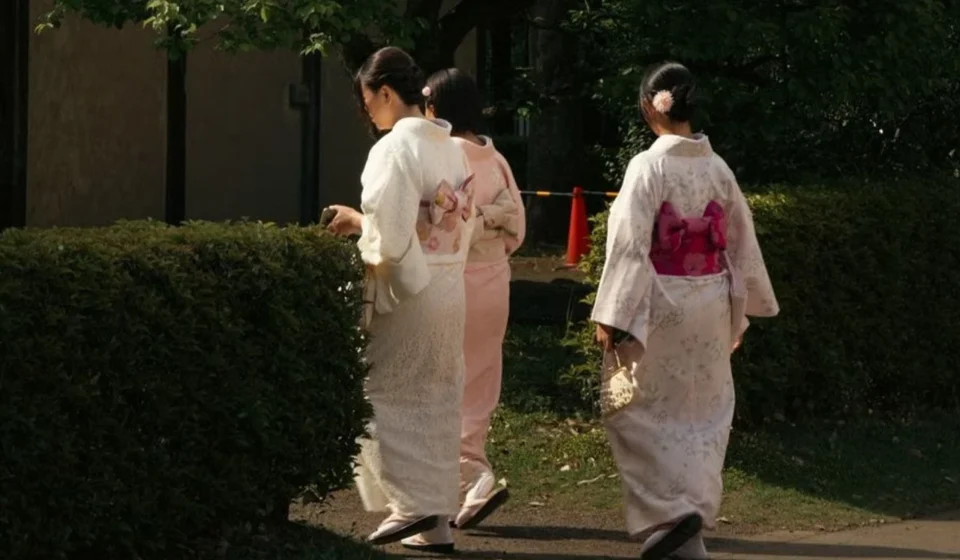

Japanese women have reached a historic milestone in global health, recording a life expectancy of 87.33 years and remaining the world’s longest living female population for the 41st consecutive year. The latest demographic findings have drawn international attention from health researchers and policymakers as the World Health Organization examines Japan’s nutrition habits, preventive care systems, and cardiovascular health outcomes for lessons that could benefit aging societies worldwide.
Japan’s Longevity Achievement Draws Global Health Attention
Japan’s continued leadership in female longevity reflects decades of public health investment, cultural dietary patterns, medical access, and community focused care. For many Japanese families, a longer life is not simply a statistic. It represents more years spent sharing meals, caring for grandchildren, participating in local traditions, and remaining connected with communities.
The record figure of 87.33 years highlights a broader demographic trend in which Japan has become a global case study for healthy aging. Researchers are examining how lifestyle choices, early disease prevention, and social structures contribute to longer and healthier lives.
We are seeing growing international interest in the factors behind Japan’s longevity because many countries are facing similar challenges. Aging populations are increasing pressure on healthcare systems, retirement planning, and family support networks. The Japanese experience offers valuable insight into how societies can prepare for longer lifespans while maintaining quality of life.
Diet and Cardiovascular Health at the Center of Research
One major area of research focuses on Japan’s traditional eating patterns. Japanese cuisine often includes fish, vegetables, fermented foods, rice, and moderate portions that have been linked with healthier cardiovascular outcomes. Scientists are studying how these dietary habits may influence cholesterol levels, blood pressure, inflammation, and the risk of chronic illnesses.
The connection between diet and longevity is not based on a single food choice. Instead, researchers point toward a combination of balanced nutrition, regular movement, social connection, and preventive healthcare. These elements work together to support healthier aging across generations.
The WHO continues to monitor global health trends through demographic studies and aging research. Resources from the organization’s work on healthy aging provide broader insight into how nations can support older adults and improve public health strategies. More information is available through the World Health Organization’s healthy aging initiatives.
Key Factors Researchers Are Examining
- Traditional dietary patterns rich in vegetables, seafood, and fermented foods
- Early screening and prevention programs for major health conditions
- Strong community connections that reduce isolation among older adults
- Daily physical activity integrated into ordinary routines
Lessons From Japan’s Aging Society
Japan’s demographic success comes with complex challenges. A longer life expectancy also means a greater need for accessible healthcare, supportive communities, and policies that help older citizens remain active. The country has spent years adapting to an aging population, developing approaches that focus not only on extending life but also on preserving independence.
For many older Japanese adults, daily routines include walking, community participation, and maintaining close relationships. These habits demonstrate that longevity is shaped by more than medical treatment alone. Social connection and purpose can play a powerful role in how people experience later stages of life.
Countries across Europe, North America, and Asia are studying Japan’s approach as they prepare for similar demographic shifts. Public health experts believe that successful aging strategies must combine medical innovation with practical community support.
Global Implications of Longer Female Life Expectancy
The record reached by Japanese women raises important questions about how societies measure health progress. A longer lifespan is valuable, but experts increasingly focus on healthy years lived without severe disability or preventable disease.
We believe the most meaningful lesson from Japan is the importance of building environments where people can age with dignity. Access to nutritious food, reliable healthcare, safe neighborhoods, and social engagement can shape health outcomes as much as medical advances.
Global health agencies are also studying how lifestyle interventions may help reduce pressure from chronic diseases. Cardiovascular conditions remain among the leading causes of death worldwide, making prevention strategies a central focus for health systems.
Research from institutions such as the National Institutes of Health continues to explore the relationship between aging, nutrition, and disease prevention, contributing to a wider scientific effort to support healthier populations.
What Other Countries Can Learn From Japan
Japan’s longevity record does not suggest that every country should copy one specific lifestyle. Each population has different cultural traditions, healthcare structures, and economic conditions. However, several principles can be adapted across borders.
Communities can encourage healthier food choices, create opportunities for physical activity, strengthen preventive healthcare access, and reduce loneliness among older adults. These efforts may help people live longer while also improving everyday well being.
The global focus on Japanese women’s life expectancy reflects a larger shift in public health thinking. Researchers are moving beyond simply counting years and examining how those years are experienced. The goal is not only a longer life but a healthier, more independent, and more connected one.
A Continuing Global Conversation on Healthy Aging
Japan’s achievement after 41 years at the top of female life expectancy rankings offers a powerful example of how culture, healthcare, and personal habits can influence population health. The record of 87.33 years provides researchers with valuable information as nations worldwide search for sustainable approaches to aging.
As global populations continue to grow older, the lessons emerging from Japan may help shape future health policies. The focus is increasingly moving toward prevention, community support, and everyday choices that allow people to maintain vitality throughout longer lives.