

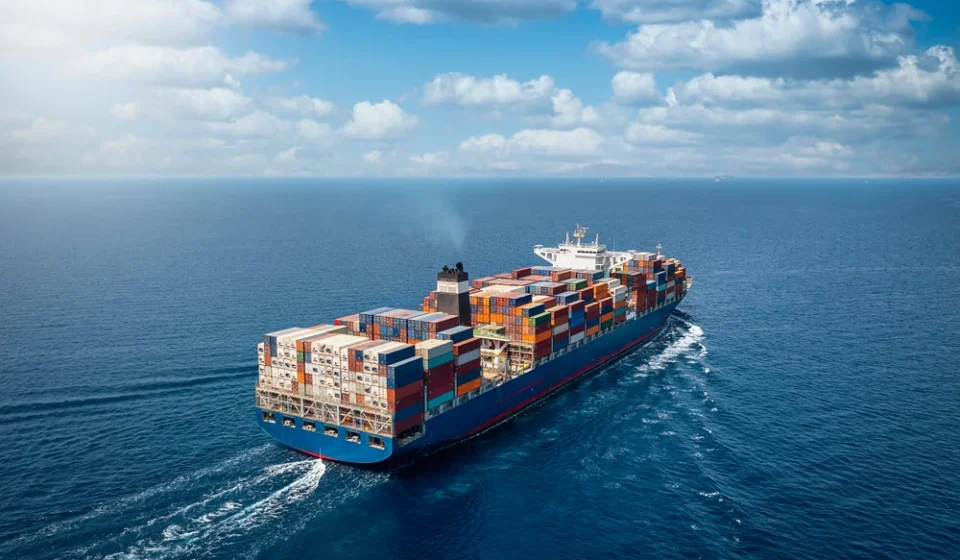

Maritime restrictions around the Red Sea are creating renewed pressure on global commerce, raising concerns over energy deliveries, cargo movement, and the reliability of a trade route that connects major economies. We are watching a growing challenge for shipping companies, manufacturers, and consumers as vessels face increased uncertainty near one of the world’s most important maritime corridors.
Why the Red Sea Route Matters to Global Trade
The Red Sea is a vital passage for international shipping because it links the Mediterranean Sea with the Indian Ocean through the Suez Canal. Every day, commercial vessels carrying energy products, industrial materials, food supplies, and consumer goods move through this corridor. When access becomes restricted, the effects can spread far beyond nearby waters.
For businesses that depend on predictable transportation schedules, delays can create difficult decisions. Companies may need to store additional inventory, adjust delivery timelines, or seek alternative shipping routes. These changes can increase operating costs and eventually affect prices paid by households.
The International Maritime Organization provides global information on maritime safety, shipping standards, and industry coordination through its official platform at maritime safety resources. These frameworks help guide international efforts during periods of disruption and uncertainty.
Shipping Companies Face Rising Operational Pressure
As naval restrictions expand near key trade routes, shipping operators are forced to balance commercial obligations with crew safety. A cargo vessel crossing international waters represents more than a moving container. It carries the work of farmers, manufacturers, exporters, retailers, and families who depend on stable supply networks.
We have seen how quickly maritime disruptions can influence global markets. A vessel delay can affect factory production schedules, energy availability, and the movement of essential goods. Even companies that are far from the Red Sea may feel the consequences when transportation costs rise or delivery windows become less predictable.
Many carriers may choose longer routes around Africa when security concerns increase. Although alternative paths can reduce immediate risks, they often require more fuel, additional sailing time, and greater crew resources. These added expenses create challenges throughout international logistics networks.
Energy Markets Remain a Major Concern
Energy shipments are among the most closely watched areas of concern. The Red Sea corridor plays a role in the movement of crude oil, refined fuels, and other energy related products. Any disruption can create uncertainty for markets that already respond quickly to supply concerns.
The International Energy Agency tracks global energy security issues, market conditions, and supply developments through its energy security analysis. Such information helps governments and companies evaluate possible risks as transportation conditions change.
For consumers, energy market instability can influence transportation expenses, heating costs, and the prices of products that require fuel during manufacturing or delivery. The impact is not always immediate, but prolonged disruption can create broader economic pressure.
Supply Chains Enter Another Period of Uncertainty
The latest shipping concerns arrive after several years in which businesses have already faced major disruptions, including port congestion, shortages of critical materials, and changing consumer demand. Many companies have worked to make their supply chains more flexible, but maritime transportation remains difficult to replace because of its scale and efficiency.
Manufacturers often rely on complex networks involving multiple countries. A single component may travel across oceans before becoming part of a finished product. When shipping routes become unstable, companies must reassess sourcing plans and transportation strategies.
From electronics and machinery to agricultural products and medical supplies, a wide range of industries depend on reliable ocean freight. The current situation highlights how closely connected the global economy has become and how a challenge in one region can affect communities thousands of miles away.
Businesses Look for Practical Responses
Companies are responding by reviewing inventory levels, diversifying suppliers, and improving visibility across their logistics operations. These steps cannot remove every risk, but they can help organizations respond more effectively when unexpected events occur.
- Companies are increasing attention on supply chain monitoring and risk planning.
- Manufacturers are evaluating alternative suppliers in different regions.
- Shipping firms are reviewing safety procedures and route decisions.
These actions reflect a broader shift toward preparedness. Businesses recognize that resilience requires more than lowering costs. It also requires the ability to adapt when transportation networks face sudden pressure.
The Human Impact Behind Maritime Disruptions
Behind every shipping statistic are people whose daily lives depend on reliable trade. A delayed shipment can affect workers waiting for materials, small businesses managing limited stock, and families facing changing household expenses. Maritime disruptions are often discussed through economic figures, but the human consequences are equally important.
Seafarers also carry significant responsibilities during uncertain conditions. Crews spend weeks at sea, navigating complex environments while maintaining the flow of essential goods. Their safety remains a central concern whenever security risks increase along major routes.
What Comes Next for Global Shipping
The future of Red Sea shipping conditions will depend on security developments, diplomatic efforts, and decisions made by maritime operators. A return to stable navigation would provide relief for businesses and markets, while prolonged restrictions could continue to reshape trade patterns.
We can expect companies and governments to continue focusing on supply chain resilience. The experience of recent years has shown that global commerce depends on preparation, cooperation, and accurate information. Shipping routes may change, but the need for reliable connections between economies remains constant.
The Red Sea blockade concerns serve as a reminder that international trade relies on a delicate network of waterways, infrastructure, and human effort. Protecting those connections is essential for maintaining the movement of energy, goods, and resources that support communities around the world.