

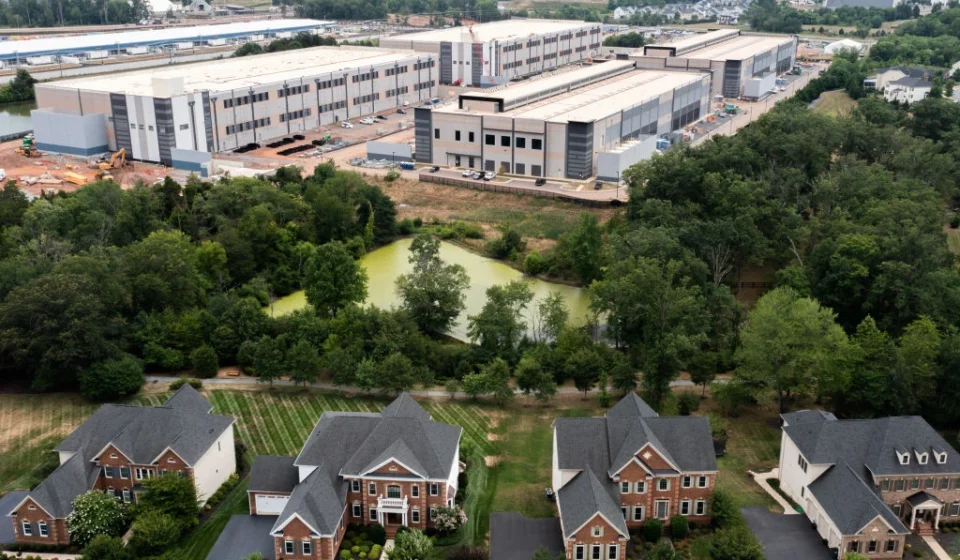

The expansion of an artificial intelligence data center project in Janesville is drawing attention far beyond Wisconsin, as communities across the United States weigh how large technology facilities can coexist with homes, local utilities, and neighborhood growth. I see this moment as a defining conversation about how we build the infrastructure that supports tomorrow’s economy while protecting the daily needs of residents who live nearby.
Janesville Project Highlights Growing Demand for Local Infrastructure
Large scale AI computing facilities require enormous amounts of electricity, reliable internet connections, advanced cooling systems, and dependable land development plans. The Janesville expansion has become a symbol of a wider shift taking place across the country, where cities are preparing for industrial technology campuses while facing questions about energy supply, housing pressure, and community planning.
For many residents, the discussion is not simply about bringing new businesses into a region. It is about what changes will appear outside their front doors. A new data center can bring construction jobs, investment, and economic activity, but it can also create concerns about increased electricity demand, changes to local landscapes, and whether public infrastructure can keep pace with private development.
We are seeing more communities examine these issues carefully because AI facilities operate differently from traditional commercial buildings. Their computing equipment runs continuously, creating a need for steady power availability. This demand is encouraging utility companies, developers, and local governments to rethink how energy systems are planned.
Why AI Data Centers Are Driving Smart Infrastructure Investments
The growth of artificial intelligence services has accelerated demand for specialized computing locations. These facilities support everything from business automation and scientific research to consumer applications and public services. As more organizations adopt advanced computing tools, data centers are becoming a central part of economic development strategies.
The infrastructure surrounding these sites often requires improvements that extend beyond the facility itself. Local investment may include upgraded transmission systems, expanded renewable energy projects, improved water management, and stronger communication networks. Resources from the US Department of Energy show how energy planning and grid modernization have become major priorities as electricity demand changes nationwide.
For communities like Janesville, the challenge is finding a balanced path. Economic growth can provide new opportunities, but responsible planning requires attention to environmental impact, utility costs, and quality of life. A successful development strategy must consider both the needs of technology companies and the expectations of families living in surrounding neighborhoods.
Residential Development Faces New Questions Near Industrial Technology Hubs
The connection between industrial AI facilities and residential areas has become one of the most debated parts of this expansion trend. Historically, many technology campuses were located away from neighborhoods, but rising land costs and the need for existing infrastructure are pushing developers to consider a wider range of locations.
Residents often ask practical questions. Will electricity rates change? Will traffic increase? Will nearby property values rise or fall? Will local services have enough capacity? These concerns reflect a broader reality: infrastructure decisions affect everyday experiences, from monthly utility bills to the character of a community.
I believe the strongest development plans are those that involve residents early in the process. Public meetings, transparent energy assessments, and clear communication between companies and communities can help reduce uncertainty. People want to know not only what is being built, but also how the project will shape their future.
Key areas communities are evaluating include:
- Electric grid capacity and long term energy reliability
- Water usage and environmental management practices
- Transportation improvements needed for construction and operations
- Workforce opportunities connected to technology growth
The National Pattern Behind Janesville’s Development Debate
Janesville’s experience reflects a national trend as cities compete for technology investment while managing infrastructure challenges. Similar conversations are taking place in regions where companies are building computing facilities to support artificial intelligence, cloud services, and advanced research.
The growth of these projects is changing how local leaders think about economic development. A decade ago, attracting a major employer often focused on office space and transportation access. Today, communities must also consider energy availability, digital connectivity, and the ability of public systems to support high demand technology operations.
The National Renewable Energy Laboratory has studied topics related to energy systems, grid flexibility, and emerging technology needs. Research in these areas helps communities examine how future infrastructure can support innovation while maintaining reliability and sustainability.
Balancing Innovation With Community Responsibility
The arrival of AI infrastructure creates genuine opportunities. New facilities can generate employment, attract related businesses, and position smaller cities as participants in the next phase of technological development. However, growth must be measured by more than investment numbers alone.
A community’s success depends on whether residents feel included in that progress. Strong planning requires cooperation among technology companies, utility providers, government officials, environmental experts, and local families. When these groups work together, infrastructure projects have a better chance of creating lasting benefits.
The Janesville discussion offers a valuable lesson for communities nationwide. AI development is not only a technology story. It is also a story about neighborhoods, energy systems, public trust, and the decisions that shape where people live and work.
What Comes Next for Smart Infrastructure Planning
As AI data centers continue expanding, cities will likely face more decisions about how to integrate industrial technology projects with existing communities. The next generation of infrastructure planning will require careful investment, open communication, and a willingness to balance economic ambition with local responsibility.
From my perspective, the most successful communities will be those that view smart infrastructure as a shared effort rather than a single construction project. The future of AI development will depend not only on powerful computers, but also on the strength of the communities and systems that support them.