

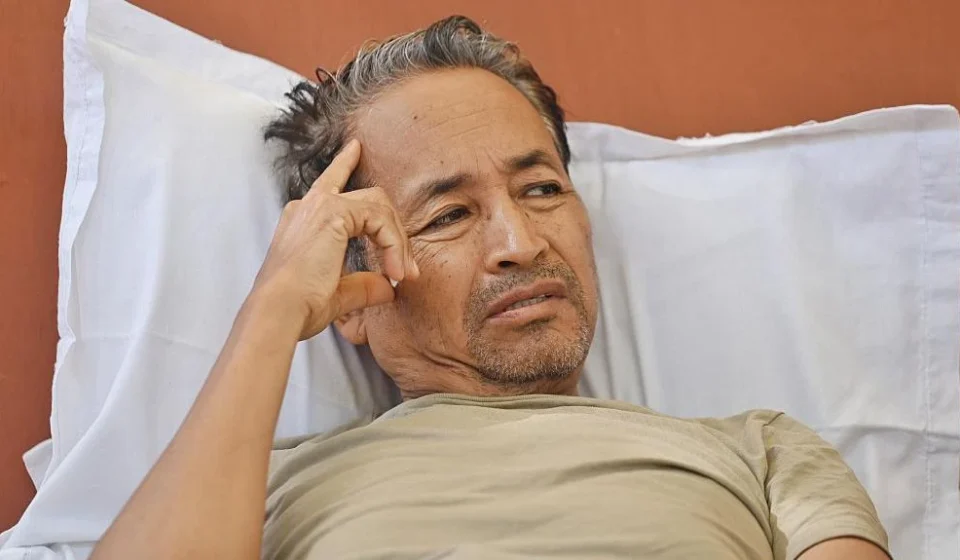

Thousands of demonstrators filled streets across India after police forcibly transferred a prominent student rights activist to a hospital during the advanced stages of a prolonged hunger strike. The dramatic intervention, carried out as doctors warned of worsening health risks, has intensified public debate over education funding, civil liberties, and the government’s response to peaceful protest. The incident has quickly become a defining moment in the country’s ongoing struggle over access to quality education and the future of higher learning.
The activist had refused food for several days while demanding immediate national reforms aimed at increasing public investment in schools, colleges, universities, scholarships, and student welfare programs. Supporters say the hunger strike represented a desperate appeal after repeated calls for policy changes failed to produce meaningful action.
Police Intervention Comes After Health Concerns Reach Critical Stage
Authorities moved the activist to a medical facility after healthcare professionals reportedly warned that continued fasting posed a serious threat to life. Officials defended the decision by arguing that preserving life remained a legal and humanitarian responsibility, even when an individual voluntarily refused treatment.
The operation drew immediate criticism from student organizations, civil society groups, and opposition voices that viewed the hospitalization as an unnecessary use of state power against a peaceful protest. Images circulating across social media showed crowds gathering outside hospitals, university campuses, and government offices while chanting slogans calling for education reform and greater respect for democratic rights.
Witnesses described an atmosphere filled with anxiety and determination. Students carrying handwritten placards stood alongside teachers, parents, and community leaders, creating a rare coalition united by concerns about the future of India’s education system.
Why Education Funding Has Become a National Flashpoint
Education has remained one of India’s most important public policy challenges for decades. Although enrollment has expanded significantly, many institutions continue to struggle with overcrowded classrooms, aging infrastructure, limited research funding, teacher shortages, and unequal access between urban and rural communities.
The hunger strike focused attention on demands that include greater public investment across every level of education. Student groups argue that stronger financial support would improve learning outcomes, expand scholarship opportunities, modernize facilities, and reduce barriers that prevent millions of young people from completing their education.
Many education advocates also point to rising living costs that place additional financial pressure on families attempting to support children through secondary school and university. These concerns have become especially visible as graduates face increasingly competitive job markets requiring advanced skills and specialized training.
Key Demands Raised During the Protest
- Higher national spending dedicated to public education.
- Greater financial assistance for students from economically vulnerable families.
- Improved infrastructure in schools and universities.
- More transparent allocation of education budgets.
- Expanded recruitment of qualified teachers and faculty members.
- Long term policy commitments designed to reduce educational inequality.
Students Turn Campuses Into Centers of Civic Action
Universities across several states witnessed large gatherings following news of the forced hospitalization. Student unions organized peaceful marches, candlelight vigils, public discussions, and signature campaigns calling for meaningful dialogue instead of confrontation.
Many participants described the movement as extending beyond the fate of a single activist. For them, the hunger strike became a symbol of broader frustrations surrounding affordability, employment opportunities after graduation, and the quality of public education available to future generations.
Faculty members at several institutions also urged authorities to prioritize negotiation. They argued that universities should remain spaces where disagreement can be expressed peacefully without fear of excessive intervention.
Government Faces Pressure to Balance Public Order and Democratic Rights
The unfolding events have placed policymakers under growing scrutiny. Governments often face difficult decisions when hunger strikes reach life threatening stages. Protecting individual health while respecting personal autonomy creates complex legal and ethical questions that have generated debate in many democratic societies.
Officials have indicated that maintaining public safety remains a priority while also monitoring the activist’s medical condition. At the same time, critics argue that addressing the underlying policy concerns would help reduce tensions more effectively than emergency intervention alone.
Legal observers note that peaceful assembly and freedom of expression remain protected democratic principles, even as authorities retain responsibilities related to public security and emergency healthcare decisions.
Education Experts Call for Long Term Solutions
Education researchers believe sustained investment remains essential if India hopes to meet the demands of a rapidly expanding economy and one of the world’s youngest populations. Better funded institutions can improve teacher development, scientific research, digital learning resources, and vocational education while supporting greater social mobility.
The UNESCO has long highlighted the importance of stable investment in education as a driver of economic growth, innovation, and social inclusion. Likewise, the World Bank continues to identify education as a central pillar for reducing poverty and strengthening national development.
Experts caution that meaningful reform requires more than additional funding alone. Effective oversight, transparent budgeting, measurable outcomes, and collaboration between governments, educators, students, and local communities are all necessary to ensure resources reach those who need them most.
Public Reaction Extends Beyond University Campuses
Public support has expanded beyond students. Parents expressed concern that continuing uncertainty could affect academic schedules and campus stability, while many also acknowledged the broader concerns surrounding educational opportunities.
Community organizations organized peaceful solidarity events, emphasizing that investment in education benefits society as a whole rather than only those currently enrolled in schools or universities. Many participants described quality education as a foundation for economic resilience, technological innovation, and social equality.
Social media platforms amplified these discussions, with millions following updates on the activist’s health and sharing personal experiences about financial barriers, classroom conditions, and access to higher education.
Medical Attention Shifts Focus to the Activist’s Recovery
Doctors are expected to closely monitor the activist’s condition after the prolonged fast. Medical specialists generally warn that extended hunger strikes can lead to severe dehydration, electrolyte imbalance, organ complications, and long recovery periods even after nutrition is restored.
Supporters continue to gather outside the hospital, hoping for positive medical updates while insisting that the movement’s central demands should not be forgotten. Many believe the hospitalization marks a new chapter rather than the conclusion of the campaign.
What Comes Next
The coming days may prove decisive for both the activist and the wider education reform movement. Government officials could face renewed calls to begin structured discussions with student representatives, education experts, and civil society organizations seeking lasting policy solutions.
The protests also highlight broader questions about how democratic institutions respond when peaceful demonstrations evolve into national political issues. Whether the forced hospitalization ultimately eases tensions or strengthens demands for reform will depend largely on the willingness of all sides to engage in meaningful dialogue.
For millions of students and families across India, the debate extends far beyond a single protest. It reflects hopes for an education system capable of preparing future generations with equal opportunity, modern resources, and the support needed to thrive in a rapidly changing global economy. As demonstrations continue and public attention remains fixed on the activist’s recovery, education funding has become one of the country’s most closely watched national conversations.