


A major clinical breakthrough announced on July 17, 2026, is changing how scientists think about Alzheimer’s disease. Researchers have demonstrated that a simple blood test can identify people who appear completely healthy, show no signs of memory loss, and have structurally normal brains, yet carry a significantly higher risk of developing Alzheimer’s years later. The findings could reshape early detection efforts and create new opportunities for prevention long before irreversible damage occurs.
For decades, Alzheimer’s disease has often been diagnosed only after memory problems become noticeable. By that stage, changes inside the brain may have been developing quietly for many years. The new study offers a glimpse into a future where physicians can spot biological warning signs far earlier, potentially giving patients and families valuable time to make informed decisions about treatment, lifestyle, and long term planning.
A Landmark Shift in Alzheimer’s Detection
Alzheimer’s disease remains one of the most feared neurological disorders worldwide. It gradually affects memory, thinking, behavior, and the ability to perform everyday tasks. Millions of families have witnessed loved ones slowly lose pieces of their identity as the disease progresses.
One of the greatest challenges in fighting Alzheimer’s has been the lengthy period between the beginning of disease related changes and the appearance of symptoms. Scientists have long understood that abnormal proteins can accumulate in the brain years before cognitive decline becomes evident. Detecting those changes typically required expensive brain imaging scans or invasive spinal fluid testing.
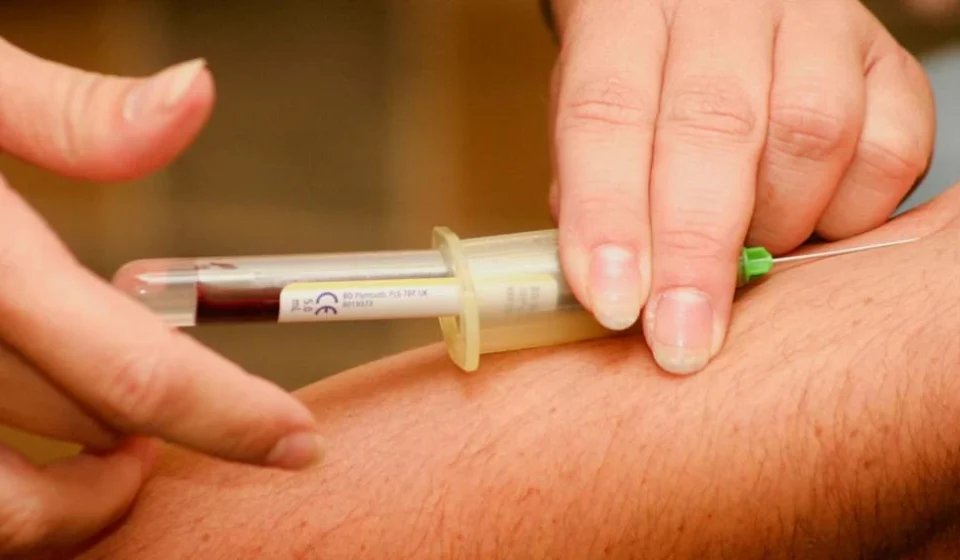
The newly validated blood test offers a much simpler alternative. Researchers found that specific biomarkers circulating in the bloodstream can reveal early biological changes linked to Alzheimer’s, even among individuals who appear healthy during routine examinations and brain scans.
This development represents more than a diagnostic advance. It signals a move toward predictive medicine, where doctors may identify disease risk before symptoms emerge and intervene during a period when treatments are likely to have the greatest impact.
Why Early Identification Matters
Timing is critical when it comes to neurodegenerative diseases. Brain cells damaged by Alzheimer’s cannot easily be restored. Once significant cognitive decline becomes apparent, treatment options often focus on slowing progression rather than preventing it.
By identifying elevated risk years in advance, clinicians may be able to:
- Monitor patients more closely for subtle cognitive changes.
- Recommend lifestyle strategies associated with better brain health.
- Enroll eligible individuals in prevention focused clinical trials.
- Begin emerging therapies during earlier disease stages.
- Help families prepare for future healthcare needs.
Researchers increasingly believe that the future of Alzheimer’s care depends on detecting disease biology before symptoms interfere with daily life. The latest findings support that approach by offering a practical tool that could eventually become part of routine preventive healthcare.
How the Blood Test Works
The blood test measures biomarkers associated with Alzheimer’s pathology. These biomarkers often include proteins linked to amyloid plaques and tau tangles, two hallmarks of the disease that have been studied extensively for decades.
When abnormal levels of these proteins appear in the bloodstream, they may reflect changes occurring within the brain. Researchers can analyze these biological signals and estimate whether a person faces an increased likelihood of developing Alzheimer’s in the future.
Unlike traditional diagnostic methods that require specialized imaging equipment or lumbar punctures, blood based screening can be performed through a standard blood draw. This simplicity could dramatically improve accessibility if the technology becomes widely available.
Scientists have been pursuing reliable blood biomarkers for years. Recent advances in laboratory technology have improved sensitivity and accuracy, making it possible to detect tiny concentrations of proteins that previously could not be measured with confidence.
The Human Side of Earlier Answers
The promise of early detection carries profound emotional implications. Many families affected by Alzheimer’s know the uncertainty that comes with unexplained forgetfulness, missed appointments, or changes in personality. The disease often enters lives gradually, creating confusion before a diagnosis is finally confirmed.
For healthy individuals identified as high risk, knowledge can be both empowering and challenging. Some may welcome the opportunity to take preventive steps and participate in research studies. Others may struggle with anxiety about a condition that may not develop for many years.
Medical experts stress that risk is not destiny. A high risk result does not guarantee that Alzheimer’s will occur. Rather, it indicates a greater likelihood compared with the general population. That distinction will be critical as healthcare providers communicate test results and guide patients through follow up decisions.
The conversation around predictive testing will require sensitivity, education, and strong support systems. Physicians, counselors, and family members will play essential roles in helping individuals understand what their results mean.
What This Could Mean for Future Treatments
The emergence of effective blood based screening arrives at a time when Alzheimer’s research is advancing rapidly. Scientists are exploring therapies aimed at slowing disease progression, reducing harmful protein accumulation, and preserving cognitive function.
Many investigators believe treatments are most effective when administered during the earliest stages of disease development. Identifying high risk individuals before symptoms appear could significantly improve clinical outcomes.
The ability to locate at risk participants also strengthens medical research. Clinical trials often struggle to recruit volunteers who are in the earliest phases of Alzheimer’s related changes. A reliable blood test could streamline enrollment and accelerate the evaluation of promising therapies.
Organizations such as the Alzheimer’s Association have long advocated for earlier detection and expanded research efforts. Improved screening tools may help bridge the gap between scientific discoveries and real world patient care.
Growing Focus on Brain Health and Prevention
Although no single lifestyle change can guarantee protection from Alzheimer’s disease, evidence continues to suggest that overall brain health is influenced by a combination of factors. Researchers often point to cardiovascular health, physical activity, sleep quality, nutrition, and social engagement as important contributors.
The new blood test may encourage more people to view brain health through the lens of prevention rather than reaction. Just as cholesterol testing helps identify cardiovascular risk before a heart attack occurs, Alzheimer’s risk screening could eventually become part of broader preventive health strategies.
Scientists continue to investigate how genetics, inflammation, metabolic health, and environmental influences interact with Alzheimer’s risk. Resources from the National Institute on Aging provide ongoing guidance regarding healthy aging and cognitive wellness.
Questions That Still Need Answers
Despite the excitement surrounding the study, important questions remain. Researchers must determine how the test performs across diverse populations, age groups, and ethnic backgrounds. Long term follow up studies will also be necessary to understand exactly how predictive the biomarkers are over time.
Healthcare systems will need to address issues involving cost, accessibility, insurance coverage, and patient counseling. Ethical considerations surrounding predictive testing are likely to become a major topic of discussion as screening expands.
Another key challenge involves determining the best course of action after a high risk result. While earlier identification creates opportunities, clinicians must ensure that recommendations are supported by strong scientific evidence and tailored to individual circumstances.
A New Chapter in the Fight Against Alzheimer’s
The July 2026 findings mark a significant moment in Alzheimer’s research. A disease that often remains hidden until memory and thinking begin to decline may soon be detectable through a routine blood test performed years earlier.
For scientists, the study represents a powerful validation of decades of work pursuing accessible biomarkers. For physicians, it offers a potential pathway toward earlier intervention. For patients and families, it provides hope that future generations may have more time, more information, and more options than ever before.
Alzheimer’s disease remains a formidable challenge, but this breakthrough suggests that the era of waiting for symptoms before taking action may be coming to an end. The ability to identify risk in apparently healthy individuals could become one of the most important advances in the ongoing effort to reduce the burden of dementia around the world.