


The global luxury fashion business is entering a new chapter as market reports released on July 31, 2026 point toward an industry valued at approximately $180 billion. Growth is being fueled by more than premium clothing and accessories. Many of the world’s most recognizable fashion houses are reshaping themselves into complete lifestyle brands, offering everything from home collections and beauty products to hospitality experiences while using artificial intelligence to create deeply personalized customer journeys.
We are witnessing a shift that extends well beyond seasonal runway collections. Luxury labels increasingly view long term relationships with customers as their greatest competitive advantage. Advanced data analysis, digital shopping experiences, and exclusive services are becoming as valuable as the craftsmanship that has defined luxury for generations. This combination of heritage and technology is reshaping consumer expectations across global markets.
Luxury fashion moves from wardrobes to everyday lifestyles
For decades, prestige fashion centered on clothing, handbags, watches, and jewelry. That definition has steadily expanded. Leading brands now operate across multiple categories, allowing customers to surround themselves with a consistent design philosophy throughout their daily lives.
Luxury companies are investing in furniture, fragrances, skincare, hotels, fine dining, private events, and wellness offerings. Rather than selling individual products, these businesses are presenting carefully curated lifestyles built around identity, exclusivity, and craftsmanship.
This broader strategy also helps companies reduce dependence on seasonal apparel sales. Revenue can flow from multiple business segments throughout the year, creating greater stability during periods of economic uncertainty.
Consumers increasingly seek meaningful experiences alongside physical products. Exclusive travel partnerships, invitation only events, and personalized consultations help strengthen emotional connections between brands and loyal customers.
Artificial intelligence becomes a powerful luxury shopping assistant
Artificial intelligence has become one of the defining forces behind the industry’s recent expansion. While luxury fashion has traditionally relied on highly trained sales associates, AI now supports many parts of the customer experience without replacing the human element.
Retailers analyze purchase history, browsing behavior, sizing preferences, regional tastes, and seasonal trends to provide individualized recommendations. Digital storefronts can present curated collections tailored to each visitor instead of displaying identical product selections for every shopper.
Virtual styling services have also become more sophisticated. AI powered recommendation systems suggest complete wardrobes based on customer preferences, travel plans, weather conditions, and previous purchases. These systems allow luxury retailers to provide a level of personalization once reserved for a small number of elite clients.
Behind the scenes, artificial intelligence also assists inventory planning, demand forecasting, supply chain management, and counterfeit detection. These improvements help reduce waste while maintaining product availability across international markets.
Consumers expect personalization without sacrificing privacy
The growing use of customer data also raises important questions. High income shoppers generally appreciate personalized recommendations when they clearly provide value. At the same time, privacy expectations continue to rise.
Luxury companies must carefully balance convenience with responsible data management. Clear consent policies, secure digital infrastructure, and transparent communication are becoming essential components of customer trust.
Fashion executives increasingly recognize that personalization succeeds only when customers remain confident that their personal information is being handled responsibly. Industry observers expect privacy practices to become an important competitive advantage during the coming years.
Global demand remains resilient despite economic uncertainty
Luxury spending has historically experienced periods of volatility during broader economic slowdowns. Yet the latest market projections suggest sustained long term demand across multiple regions.
Established markets in North America and Europe continue to generate significant sales, while Asia and parts of the Middle East remain important growth engines. Rising wealth, expanding international travel, and stronger digital commerce platforms have introduced premium brands to new customer groups.
Younger affluent consumers are also reshaping purchasing patterns. Millennials and members of Generation Z often research products extensively before buying. They expect seamless digital experiences, authentic storytelling, and products that reflect both quality and responsible business practices.
Luxury shoppers increasingly evaluate craftsmanship alongside sustainability, ethical sourcing, and product longevity. Many buyers view premium purchases as lasting investments rather than short term fashion statements.
Traditional craftsmanship still defines luxury value
Although technology plays a growing role, craftsmanship remains the foundation of luxury fashion. Skilled artisans continue to create many products using techniques refined across generations.
Hand stitched leather goods, carefully tailored garments, and meticulously assembled watches maintain their appeal because they represent exceptional attention to detail. Artificial intelligence can recommend products and improve operations, but it cannot replace the emotional significance attached to genuine craftsmanship.
This balance between heritage and innovation has become one of the industry’s defining characteristics. Luxury houses continue investing in artisan training while simultaneously expanding digital capabilities.
Sustainability becomes part of premium brand identity
Environmental responsibility has moved from a niche concern to a central business priority. Consumers increasingly expect premium brands to demonstrate responsible sourcing, transparent manufacturing, and reduced environmental impact.
Many luxury companies are investing in recycled materials, circular fashion initiatives, product repair services, and more efficient manufacturing processes. Digital tools help measure environmental performance while supporting smarter inventory decisions that reduce excess production.
Organizations including the United Nations Environment Programme continue encouraging industries to improve sustainable production practices, including within the fashion sector. Meanwhile, research published by the State of Fashion provides ongoing analysis of changing consumer priorities and industry trends.
Physical boutiques remain central to luxury experiences
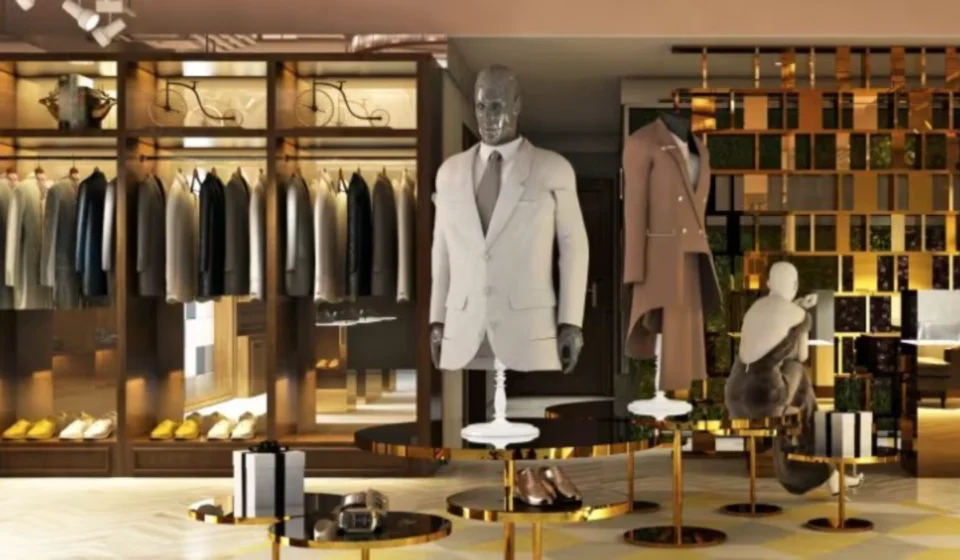
Despite rapid digital innovation, flagship boutiques continue to play a vital role. Many luxury shoppers still value face to face consultations, personalized fittings, and carefully designed retail environments that communicate a brand’s identity.
Stores increasingly combine digital convenience with traditional hospitality. Interactive displays, appointment scheduling, digital client profiles, and personalized product selections create a seamless connection between online and offline shopping.
The objective is not simply to complete a sale. Brands want every visit to leave a lasting impression that encourages long term loyalty.
Competition expands beyond established fashion houses
The luxury landscape has become more competitive as newer premium labels attract attention through direct consumer relationships and digital first strategies. Independent designers often respond quickly to changing consumer preferences while established fashion houses benefit from decades of heritage and global recognition.
This competitive environment encourages continuous investment in product quality, customer service, technology, and storytelling. Companies that successfully combine timeless craftsmanship with modern digital experiences appear best positioned for future growth.
What the projected market growth signals for the future
The projected $180 billion valuation reflects more than strong consumer spending. It signals a broader redefinition of luxury itself. Premium fashion is no longer limited to clothing collections presented twice each year. It has become an interconnected ecosystem of products, experiences, technology, and personal relationships.
Artificial intelligence will likely continue supporting personalized recommendations, smarter operations, and improved customer engagement. Yet lasting success will depend on preserving the qualities that have always distinguished luxury fashion, including exceptional craftsmanship, creativity, authenticity, and trust.
As fashion houses continue expanding into complete lifestyle brands, the industry appears positioned for sustained evolution. Consumers are seeking products that express identity, experiences that feel memorable, and technology that quietly serves their individual preferences. Those expectations are shaping the future of luxury, one personalized interaction at a time.