

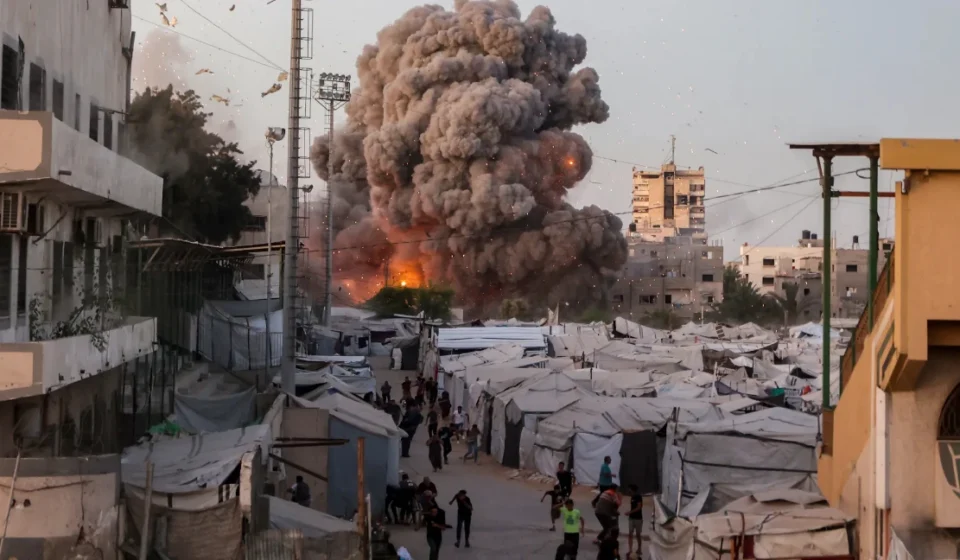

Violence returned to Gaza within hours of a significant diplomatic development after Israeli forces carried out strikes across multiple locations following Hamas’s reported agreement to a phased disarmament framework during United States backed peace negotiations. The rapid shift from cautious optimism to renewed military action highlighted the extraordinary fragility of efforts to end one of the region’s longest and most devastating conflicts. For civilians already enduring repeated displacement, damaged infrastructure, and profound uncertainty, the latest events served as another reminder that diplomatic progress and battlefield realities often move on separate paths.
What happened after the reported agreement?
Reports emerging on August 1, 2026 indicated that Hamas had accepted a framework outlining gradual disarmament as part of broader negotiations intended to reduce hostilities and establish conditions for a more durable ceasefire. The proposal reportedly formed part of ongoing diplomatic discussions involving United States mediators and regional partners seeking a political solution.
Shortly afterward, Israeli forces launched strikes against what officials described as standard military positions across Gaza. While military authorities have frequently stated that such operations are intended to target armed infrastructure and security threats, the timing immediately drew international attention because it followed news of apparent progress in negotiations.
The sequence of events raised fresh questions about whether military operations were intended to maintain strategic pressure during talks or reflected separate operational decisions unrelated to the diplomatic process. Without complete details from all negotiating parties, analysts cautioned against reaching immediate conclusions regarding the relationship between the agreement and the subsequent strikes.
Why phased disarmament matters
A phased disarmament framework differs from an immediate surrender of weapons. Instead, it generally establishes a carefully structured process in which armed capabilities are reduced over time while parallel political, humanitarian, and security commitments are implemented.
Such agreements often depend on several interconnected steps.
- Independent monitoring of compliance.
- Gradual security guarantees for participating parties.
- Expansion of humanitarian assistance.
- Prisoner or hostage related arrangements where applicable.
- Political negotiations addressing long term governance and reconstruction.
Peace experts have long argued that gradual implementation can reduce the likelihood of sudden breakdowns because each stage depends upon verified progress from all participants. Even so, these agreements remain highly vulnerable to setbacks caused by renewed violence, political disagreements, or competing security concerns.
Military operations continue despite diplomatic momentum
Israeli leaders have consistently maintained that military operations are driven by national security requirements and the objective of preventing future attacks. Officials have repeatedly argued that pressure on armed groups remains necessary until security threats are fully addressed.
For Hamas, agreeing to discuss phased disarmament would represent a potentially significant political development, particularly if linked to broader negotiations involving governance, reconstruction, border arrangements, and humanitarian access.
These competing priorities illustrate why peace negotiations involving long running conflicts rarely move in a straight line. Diplomatic announcements frequently occur alongside continued military activity, creating uncertainty about whether negotiations are advancing or stalling.
Humanitarian conditions remain deeply concerning
The humanitarian situation across Gaza continues to dominate international concern. Families have experienced repeated displacement, healthcare facilities remain under extraordinary strain, and many neighborhoods continue to face extensive physical destruction following months of conflict.
International humanitarian organizations continue to call for expanded civilian protection, reliable aid delivery, and sustained access to food, medicine, clean water, and shelter. Relief workers have repeatedly warned that even brief interruptions in humanitarian access can significantly worsen already difficult living conditions.
Children remain among the most vulnerable members of the population. Interrupted education, psychological trauma, family separation, and limited access to healthcare continue to shape daily life for thousands of young people whose futures have been profoundly affected by prolonged conflict.
International diplomacy enters another critical phase
The United States has remained actively involved in diplomatic efforts alongside regional governments seeking to reduce violence and establish conditions for broader negotiations. International organizations including the United Nations have continued urging all parties to pursue dialogue while protecting civilians under international humanitarian law.
Regional governments have also attempted to bridge differences between negotiating parties. Their efforts often focus on balancing immediate security concerns with longer term political arrangements that could provide greater regional stability.
Diplomats caution that agreements announced during negotiations should not automatically be interpreted as final settlements. Most complex peace processes require months or even years of implementation before meaningful progress becomes visible on the ground.
Challenges facing any future agreement
Even if negotiators successfully establish a formal framework, implementation would likely encounter numerous obstacles.
Verification mechanisms
Independent monitoring would almost certainly be required to verify compliance with any disarmament commitments. Building confidence among parties that have experienced years of conflict remains exceptionally difficult.
Political governance
Questions regarding future governance in Gaza remain central to any lasting settlement. Decisions concerning civil administration, reconstruction funding, and security responsibilities will require broad political agreement.
Reconstruction needs
Large sections of civilian infrastructure have suffered extensive damage. Roads, hospitals, schools, residential neighborhoods, and essential public services will require significant international investment before communities can begin returning to normal life.
Public trust
Years of conflict have left deep emotional scars throughout Israeli and Palestinian communities. Building confidence in negotiated agreements may prove just as challenging as reaching the agreements themselves.
Global reaction focuses on restraint
International observers responded cautiously to both developments. Many welcomed reports of movement toward phased disarmament while simultaneously expressing concern over renewed military activity. Governments across several regions reiterated calls for restraint, protection of civilians, and continued diplomatic engagement.
Conflict resolution specialists often note that negotiations involving active hostilities rarely proceed without interruptions. Temporary setbacks do not necessarily signal complete failure, although repeated violence can make compromise substantially more difficult.
What comes next
The coming days are expected to be critical for determining whether negotiations retain momentum. Mediators will likely seek clarification from participating parties regarding implementation timelines, verification procedures, and confidence building measures intended to reduce tensions.
Observers will also closely monitor whether additional military operations continue or whether both sides demonstrate greater willingness to preserve diplomatic progress. Even modest reductions in violence could create opportunities for expanded humanitarian assistance and renewed political discussions.
Readers seeking additional background on international humanitarian law governing armed conflicts can consult the International Committee of the Red Cross, whose resources explain legal protections for civilians and humanitarian operations during war.
Our perspective
The latest developments reflect the difficult reality that peace negotiations often unfold alongside ongoing conflict rather than after fighting has ended. Reports of phased disarmament suggest that diplomatic channels remain open despite profound disagreements, yet the renewed Israeli strikes demonstrate how quickly military developments can reshape political expectations.
Whether this moment becomes another missed opportunity or the beginning of a longer diplomatic process will depend upon decisions made in negotiating rooms as much as actions taken on the ground. For the millions of civilians whose lives continue to be shaped by insecurity, every step toward meaningful dialogue carries significance, even when progress appears uncertain and painfully slow.