

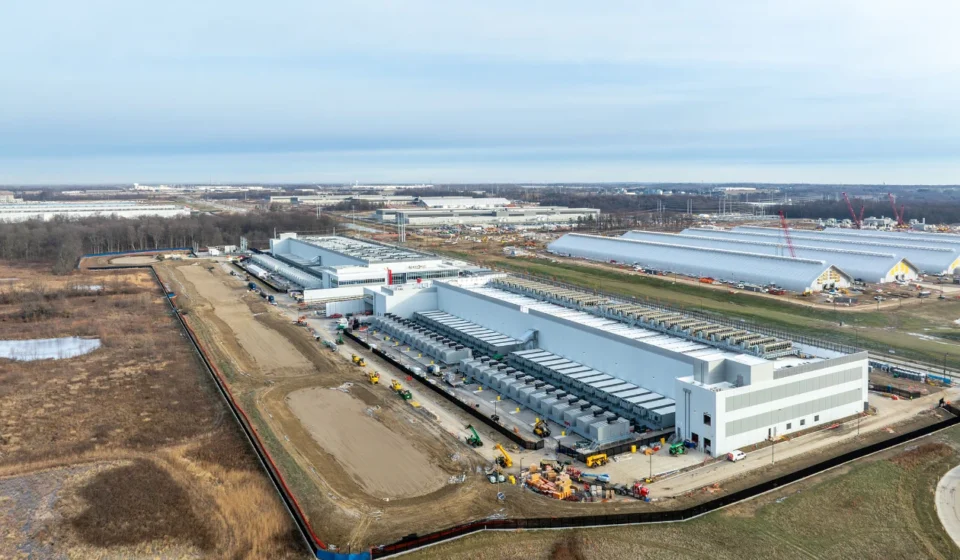

Global commercial real estate is showing fresh signs of strength after a challenging stretch marked by higher borrowing costs and cautious investment. New findings released by CoStar on July 28, 2026, point to a notable rebound in industrial and logistics property demand, fueled by rapid expansion of technology infrastructure and regional ecommerce supply networks. The renewed momentum is reshaping how developers, investors, manufacturers, and retailers think about warehouse space, creating opportunities that extend far beyond traditional distribution centers.
The recovery reflects a broader shift in the global economy. Companies are building larger digital infrastructure footprints while simultaneously moving inventory closer to customers. Together, these trends are increasing demand for strategically located logistics facilities capable of supporting faster delivery times, resilient supply chains, and the computing power required for artificial intelligence and cloud services.
Industrial properties return to the spotlight
Industrial real estate has become one of the strongest performing segments of the commercial property market. Modern warehouses are no longer viewed simply as storage facilities. They serve as highly connected operational hubs where inventory management, robotics, automation, and data driven logistics work together to move goods efficiently.
CoStar’s latest market intelligence suggests that leasing activity has accelerated as businesses secure additional space to prepare for future demand. Regional fulfillment centers, cold storage facilities, and specialized logistics campuses have become especially attractive as companies seek greater flexibility and shorter delivery windows.
This renewed confidence stands in contrast to the uncertainty that slowed commercial property investment during recent years. Investors who previously focused on office buildings have increasingly redirected capital toward industrial assets because of stronger occupancy levels and more stable rental performance.
Technology infrastructure creates a new wave of warehouse demand
One of the most significant drivers behind the recovery is the rapid expansion of technology infrastructure. Artificial intelligence applications, cloud computing services, and enterprise software continue to require enormous computing capacity. As organizations deploy additional servers and related equipment, the supporting supply chain also grows.
Manufacturers, component suppliers, and logistics providers require larger facilities to store, assemble, and distribute networking hardware, cooling systems, electrical equipment, and specialized technology products. Warehouses located near major transportation corridors have become particularly valuable because they can efficiently connect suppliers with technology campuses and customers.
The relationship between digital innovation and physical real estate has become increasingly clear. Every new server installation depends upon a complex network of suppliers, transportation companies, and storage facilities working together to deliver equipment safely and quickly.
Regional ecommerce continues reshaping logistics networks
Consumer expectations have permanently changed the logistics landscape. Faster shipping and reliable product availability have encouraged retailers to establish more localized distribution networks instead of relying solely on a handful of national facilities.
Regional warehouses help companies reduce shipping times while improving inventory accuracy. They also provide greater resilience when transportation disruptions occur, allowing businesses to shift products between nearby facilities rather than depending on distant locations.
Many retailers are investing in facilities that combine automated sorting systems, advanced inventory software, and flexible storage layouts. These improvements help companies respond more efficiently during seasonal shopping periods and unexpected changes in consumer demand.
Additional information about worldwide trade patterns and logistics trends can be explored through the World Bank, which regularly publishes research on global supply chains and economic development.
Developers adapt to changing customer expectations
Property developers are responding by designing warehouses that meet modern operational requirements instead of relying on older industrial layouts. Ceiling heights have increased to accommodate automated storage systems. Loading areas have become more efficient to support higher truck volumes. Sustainability features such as energy efficient lighting and rooftop solar installations are becoming more common because tenants increasingly seek lower operating costs.
Location remains equally important. Properties situated near ports, airports, rail terminals, and major highways often attract stronger leasing interest because they reduce transportation time and improve distribution efficiency.
Developers are also paying closer attention to flexibility. Buildings designed for multiple tenant types can adapt more easily as industries evolve, making them more attractive to long term investors.
Investment confidence gradually returns
Commercial property investors have been carefully watching economic indicators for signs that market conditions are stabilizing. The latest industrial leasing activity provides encouragement because strong tenant demand often supports healthier rental income and long term asset values.
Institutional investors, pension funds, and real estate investment firms continue evaluating logistics properties as part of diversified portfolios. Industrial assets have demonstrated resilience during periods of economic uncertainty, particularly when supported by long term leases with financially stable tenants.
Several factors are contributing to renewed investor confidence.
- Growing technology infrastructure projects requiring logistics support.
- Expansion of regional fulfillment networks serving online retail.
- Continued modernization of warehouse operations through automation.
- Rising interest in supply chain resilience following recent global disruptions.
Businesses prioritize resilience over efficiency alone
Recent years have taught businesses that supply chains cannot depend exclusively on the lowest possible operating costs. Weather events, geopolitical tensions, manufacturing interruptions, and transportation bottlenecks have demonstrated the importance of maintaining flexibility.
Many organizations now maintain additional inventory closer to customers, even if doing so increases operating expenses. The strategy helps reduce the likelihood of stock shortages while improving customer satisfaction.
This shift has created sustained demand for strategically located warehouse space, particularly in metropolitan regions where population growth supports strong consumer spending.
Data and market intelligence guide smarter decisions
Reliable market information has become increasingly valuable for companies making major real estate commitments. Property intelligence firms such as CoStar provide detailed analysis covering vacancy rates, rental trends, new construction, and leasing activity. Access to accurate data allows businesses to compare markets and identify locations that align with operational goals.
Government agencies and international organizations also contribute valuable economic insights. Readers interested in broader commercial property indicators can review publications from the Organisation for Economic Co operation and Development, which examines investment, productivity, and global economic performance.
What the recovery means for local economies
The benefits of stronger industrial real estate extend beyond property owners and investors. New warehouse developments frequently generate construction employment, transportation jobs, equipment purchases, and ongoing operational positions. Communities located near expanding logistics corridors often experience additional business activity as suppliers, maintenance companies, and service providers establish nearby operations.
Local governments may also benefit from increased tax revenue that supports infrastructure improvements, public services, and future economic development initiatives. Careful planning remains essential, however, to balance industrial expansion with transportation capacity, environmental considerations, and neighborhood quality of life.
Outlook for the commercial property market
The commercial real estate sector still faces challenges including financing costs, construction expenses, and economic uncertainty. Even so, industrial and logistics properties appear well positioned to remain among the strongest segments of the market.
Technology investment continues expanding, online shopping remains deeply integrated into consumer behavior, and businesses are steadily redesigning supply chains for greater resilience. Those structural trends provide ongoing support for warehouse development and leasing activity.
For investors, developers, retailers, and manufacturers, the latest CoStar findings offer evidence that industrial real estate has entered a renewed period of opportunity. The recovery is not simply about larger buildings or higher leasing volumes. It reflects a broader economic shift where digital innovation and physical infrastructure increasingly depend upon one another. As businesses continue building faster, smarter, and more reliable supply networks, logistics properties are likely to remain at the center of global commercial real estate growth for years to come.