

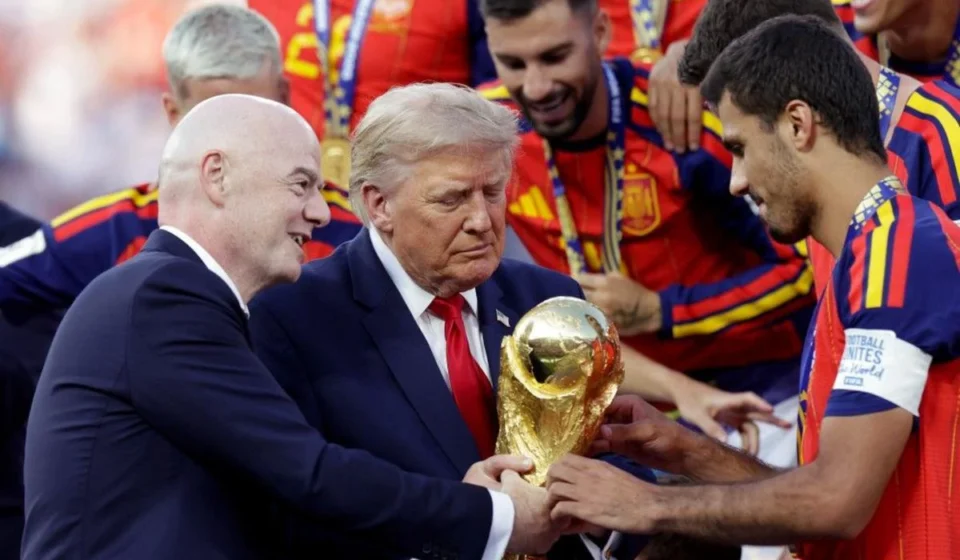

The International Olympic Committee has dismissed an ethics complaint filed against FIFA President Gianni Infantino, concluding that the matter falls outside its jurisdiction. The decision arrives at a significant moment for international sport as organizers prepare for several major football competitions that will draw millions of fans, athletes, broadcasters, and commercial partners from across the globe. While the ruling does not address the substance of the allegations, it provides procedural clarity at a time when governing bodies are working to keep attention focused on competition, player welfare, and operational readiness.
Why the International Olympic Committee Declined the Complaint
The International Olympic Committee, commonly known as the IOC, explained that its ethics framework applies only to matters within its own authority. Since FIFA operates as an independent international football governing body with its own statutes, disciplinary systems, and governance structure, the IOC determined that it lacked the legal basis to investigate or rule on the complaint involving FIFA President Gianni Infantino.
This distinction may appear technical, yet it represents a fundamental principle of international sports governance. Each global federation is responsible for overseeing its own ethical standards, disciplinary procedures, and internal accountability mechanisms. The IOC generally intervenes only in issues directly connected to Olympic activities, Olympic officials, or matters falling under its charter.
Readers interested in the broader governance structure of the Olympic Movement can explore the official resources provided by the International Olympic Committee, which explain how jurisdiction is defined across international sporting organizations.
What the Decision Means for FIFA Leadership
The ruling does not amount to a declaration that the complaint lacked merit. Instead, it reflects a procedural conclusion that the IOC was not the appropriate institution to review the case. Such jurisdictional decisions are common in international law and sports administration, where organizations operate under clearly defined legal boundaries.
For FIFA leadership, the outcome removes the possibility of an IOC ethics review while leaving FIFA responsible for addressing governance matters that fall within its own institutional framework. This separation of responsibilities is intended to preserve the independence of each international federation while maintaining consistency across global sport.
Gianni Infantino remains one of the most recognizable figures in world football, overseeing an organization responsible for global tournaments, commercial partnerships, development initiatives, and regulatory decisions affecting hundreds of national football associations.
Major International Tournaments Continue Without Organizational Disruption
The timing of the announcement carries particular importance because football’s international calendar is entering another demanding period. Tournament organizers, host nations, broadcasters, sponsors, and participating teams have invested years of planning into upcoming competitions.
Preparations currently extend across several critical areas.
- Venue readiness and infrastructure improvements.
- Security planning involving local and international authorities.
- Player logistics and travel coordination.
- Broadcast production for worldwide audiences.
- Commercial operations supporting ticketing and fan engagement.
By resolving the jurisdictional question promptly, the IOC has reduced uncertainty surrounding one aspect of sports administration, allowing operational planning to continue without additional procedural complications.
The Complex Relationship Between the IOC and FIFA
Although both organizations occupy leading positions within international sport, they serve different purposes and maintain separate governance systems.
The IOC oversees the Olympic Movement, promotes the Olympic Games, and works with dozens of international federations representing Olympic sports. FIFA governs association football worldwide, establishes competition rules, organizes major tournaments, and coordinates development programs across its member associations.
The relationship between the two organizations frequently involves cooperation rather than direct oversight. Football has long been part of the Olympic Games, yet Olympic football competitions remain distinct from FIFA’s flagship international tournaments.
This institutional independence explains why an ethics complaint involving FIFA leadership would not automatically become an IOC matter.
Sports Governance Faces Growing Public Scrutiny
Public expectations surrounding transparency and accountability have grown steadily over the past decade. Supporters increasingly expect governing bodies to communicate clearly about ethics procedures, financial oversight, leadership responsibilities, and disciplinary processes.
That shift reflects wider developments across international sport, where governance standards have become an important measure of organizational credibility alongside athletic excellence.
Independent oversight, published regulations, ethics committees, and compliance programs now play larger roles than they once did. Fans, athletes, sponsors, and governments regularly examine how sporting organizations respond when concerns arise regarding leadership or institutional conduct.
Jurisdiction Matters More Than Many Fans Realize
Legal jurisdiction can appear abstract, yet it often determines whether a complaint proceeds at all. Every international organization functions according to governing documents that specify who may investigate particular matters, what standards apply, and which disciplinary options are available.
When an institution lacks jurisdiction, it generally cannot evaluate evidence or issue findings regarding the underlying allegations. Instead, the matter may need to be directed toward the organization with the appropriate legal authority.
This principle exists across international sport, corporate governance, and public institutions because clearly defined authority helps prevent overlapping investigations and conflicting decisions.
Preparing for a Busy Era in International Football
Global football continues to experience remarkable commercial and competitive growth. Expanded tournaments, increased investment in women’s football, stronger youth development programs, and broader international broadcasting agreements have strengthened the sport’s worldwide reach.
These developments also increase expectations placed upon governing bodies. Every administrative decision now receives rapid international attention through traditional media and digital platforms, placing greater pressure on organizations to explain procedural decisions in a clear and timely manner.
FIFA continues coordinating preparations for future competitions involving national teams and clubs, while member associations focus on qualifying campaigns, player development, and domestic league operations.
How Governance Decisions Influence Athletes and Supporters
Many supporters naturally focus on match results, memorable goals, and championship celebrations. Behind every major tournament, however, thousands of professionals manage legal affairs, logistics, scheduling, medical planning, commercial agreements, and regulatory compliance.
Administrative decisions such as the IOC ruling rarely affect what happens on the pitch directly, yet they contribute to organizational stability that allows competitions to proceed according to schedule. Athletes benefit from predictable tournament planning, while supporters gain confidence that governing institutions are following established procedures.
Looking Ahead
The dismissal of the ethics complaint by the International Olympic Committee marks the conclusion of one procedural chapter rather than the end of broader conversations surrounding governance in international sport. The decision reinforces the principle that independent sporting organizations operate within clearly defined legal boundaries and remain responsible for matters assigned to their own authority.
As preparations continue for major international football events, attention is expected to return to competition, player performance, and the global celebration of the sport. Governance discussions will undoubtedly remain part of the broader conversation, but for now the IOC has made clear that this particular complaint falls outside its mandate. Additional information regarding football governance and organizational structure is available through the official FIFA platform, where policies, regulations, and institutional updates are published for the international football community.