

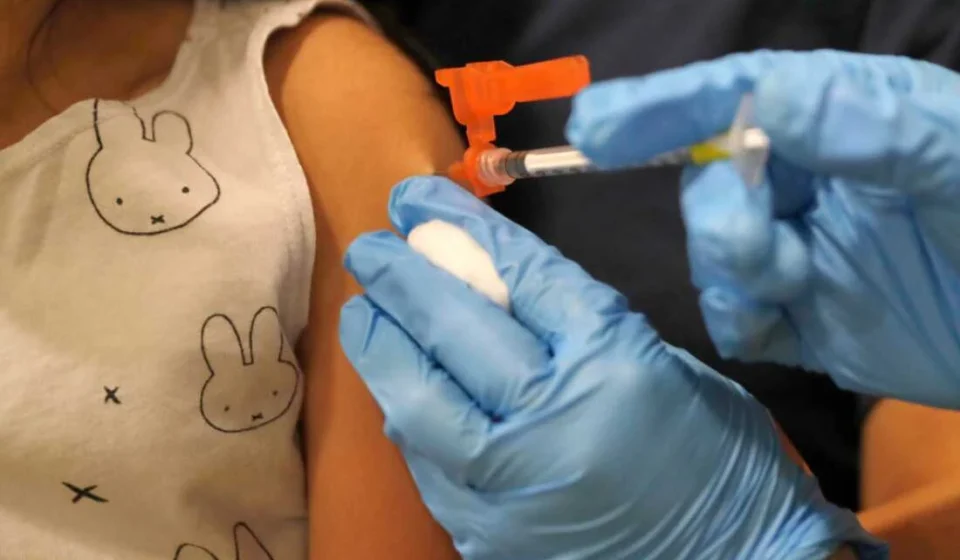

The World Health Organization has introduced updated global guidance aimed at reshaping how future respiratory vaccines are developed, tested, and manufactured. Released on July 21, 2026, the new recommendations focus on pan respiratory vaccines capable of targeting multiple respiratory viruses while also supporting faster clinical trial pathways during public health emergencies. We see this as a significant step toward improving global preparedness at a time when countries continue to strengthen lessons learned from recent outbreaks and seasonal disease patterns.
Why the Updated Guidance Matters
Respiratory illnesses remain among the leading causes of hospital admissions and preventable deaths across many regions. Influenza, respiratory syncytial virus, novel coronavirus variants, and other respiratory pathogens continue to place pressure on health systems every year. Scientists have long pursued broader vaccines that can provide protection against multiple viruses or a wider range of viral strains rather than focusing on a single target.
The latest WHO guidance reflects years of scientific progress and international collaboration. By setting updated standards for manufacturing and clinical research, the organization hopes to reduce delays that often occur when promising vaccine candidates move from laboratory development into large scale production.
For researchers, manufacturers, and public health agencies, common global standards also make it easier to coordinate efforts across borders. Shared expectations can improve product quality, support regulatory reviews, and increase confidence in vaccines distributed through international partnerships.
Focus on Pan Respiratory Vaccines
One of the most notable aspects of the guidance is its attention to pan respiratory vaccines. Rather than targeting only one virus, these vaccines are designed to offer broader protection across multiple respiratory threats or numerous variants within the same virus family.
This approach could provide several important advantages.
- Reduced need for frequent vaccine reformulation.
- Stronger preparedness against newly emerging respiratory viruses.
- Simplified immunization programs for healthcare providers.
- Improved protection for vulnerable populations such as older adults and people with chronic medical conditions.
Although many of these vaccine candidates remain under development, experts believe broader immune protection could play an important role in future pandemic preparedness.
Accelerated Clinical Trial Protocols
Another major feature of the updated recommendations involves accelerated clinical trial protocols. During health emergencies, traditional research timelines may delay access to vaccines that could save lives. The WHO guidance outlines approaches that allow scientific evaluation to move more efficiently while maintaining rigorous standards for safety and effectiveness.
Accelerated studies do not mean lowering scientific expectations. Instead, researchers are encouraged to use modern trial designs, adaptive enrollment strategies, and stronger international coordination so reliable evidence can be generated more quickly.
We have seen during previous global health emergencies that carefully designed adaptive trials can provide meaningful answers without sacrificing participant safety. The updated framework seeks to build on those experiences rather than creating entirely new systems from the ground up.
Manufacturing Standards Receive Fresh Attention
Vaccine development extends far beyond laboratory discovery. Manufacturing quality often determines whether a successful scientific breakthrough reaches millions of people safely and consistently.
The revised guidance introduces updated expectations for production processes, quality assurance, and manufacturing consistency. These standards are intended to help manufacturers maintain high quality regardless of where vaccines are produced.
Global consistency becomes especially valuable during international health emergencies when multiple production facilities may be working simultaneously to meet urgent demand. Common manufacturing practices reduce uncertainty for regulators and improve confidence among healthcare professionals.
Manufacturers can also benefit from clearer technical expectations that support investment decisions and long term production planning.
Supporting Faster Global Access
Access remains one of the most challenging issues in global vaccination efforts. During previous outbreaks, wealthier nations often secured supplies more rapidly than lower income countries. While manufacturing guidance alone cannot solve distribution inequities, standardized production practices can support broader international cooperation.
When vaccines meet globally recognized quality benchmarks, procurement organizations and national regulators may find it easier to review products for emergency or routine use. This can reduce administrative barriers that sometimes slow international distribution.
Organizations working with global immunization programs may also benefit from greater consistency when evaluating vaccine suppliers from different regions.
What This Means for Researchers and Industry
The updated WHO recommendations are likely to influence scientific research priorities over the coming years. Academic institutions, biotechnology companies, pharmaceutical manufacturers, and public health organizations often look to WHO guidance when designing research programs intended for international use.
Developers working on broad spectrum respiratory vaccines may now have clearer expectations regarding manufacturing documentation, quality control procedures, and clinical evidence requirements.
Investors and research funding agencies may also view standardized international guidance as a positive signal because it provides greater clarity regarding future regulatory pathways.
Balancing Speed With Public Confidence
Public trust remains essential for every vaccination campaign. Faster research and manufacturing processes can only succeed if people believe vaccines have undergone careful scientific evaluation.
The WHO guidance continues to place safety monitoring at the center of vaccine development. Accelerated pathways still require careful collection of clinical evidence, ongoing monitoring after authorization, and transparent reporting of safety findings.
Health experts consistently remind the public that scientific speed should come from improved research methods and stronger international coordination rather than reduced oversight.
The Global Public Health Perspective
The respiratory virus landscape continues to evolve. Seasonal influenza changes regularly. Coronavirus variants continue to appear. Other respiratory pathogens remain capable of causing regional outbreaks that place vulnerable populations at increased risk.
Preparing for future challenges requires coordinated international action long before the next emergency begins. Updated manufacturing standards and clinical research guidance represent part of that broader strategy.
Public health authorities across different countries can use these recommendations when reviewing national policies, supporting domestic vaccine production, and planning future emergency response systems.
Healthcare professionals may also benefit from greater consistency in vaccine evaluation standards, making international scientific collaboration more efficient.
Scientific Collaboration Remains Essential
No single country can address global infectious disease threats alone. Virus surveillance, genomic sequencing, laboratory research, manufacturing expertise, and clinical studies increasingly depend on international partnerships.
The WHO guidance encourages continued cooperation among governments, regulators, universities, and industry partners. Shared standards help reduce duplication of effort while allowing scientific knowledge to move more efficiently across borders.
Readers interested in global immunization initiatives can explore additional information through the World Health Organization. Those seeking broader scientific updates on vaccine research can also review resources provided by the Centers for Disease Control and Prevention.
Looking Ahead
The updated guidance does not immediately change vaccination programs already in place. Instead, it provides a roadmap for future vaccine innovation by supporting broader respiratory protection, stronger manufacturing practices, and more efficient clinical research during periods of heightened public health risk.
We believe these recommendations represent another important milestone in global health preparedness. While scientific discovery will continue to take time, clearer international standards can help promising vaccines move more efficiently from research laboratories into healthcare systems without compromising quality or public confidence. As respiratory viruses continue to evolve, coordinated global action remains one of the strongest tools available for protecting communities and strengthening resilience against future outbreaks.