

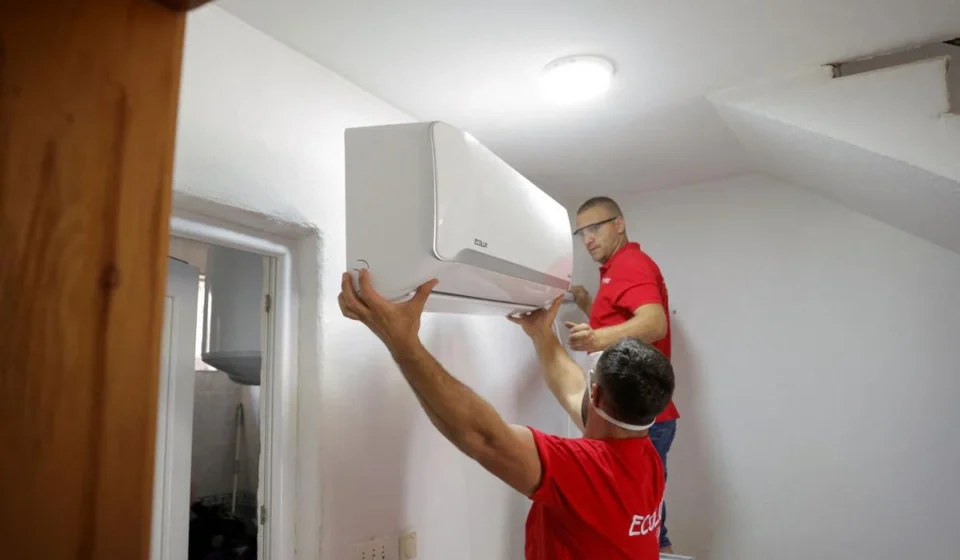

Europe is witnessing a remarkable shift in the way households approach summer comfort. As prolonged heatwaves continue to push temperatures to uncomfortable and, in many places, dangerous levels, families are making a decisive move toward AI powered, energy efficient smart air conditioning systems. On July 20, 2026, home improvement retailers and HVAC manufacturers reported record adoption of intelligent cooling technologies designed to reduce electricity consumption while maintaining indoor comfort. We are seeing more than a change in consumer preferences. We are watching a broader response to climate pressure, rising energy costs, and the growing need for resilient homes.
Heatwaves Are Changing Everyday Life Across Europe
Summer across much of Europe has become increasingly defined by long periods of intense heat. What was once considered an occasional weather event has become a recurring challenge affecting millions of people. Homes built decades ago often struggle to remain cool during extended hot spells, leaving residents searching for reliable solutions that do not place excessive strain on household budgets.
The latest wave of smart cooling adoption reflects this reality. Consumers are no longer purchasing air conditioners solely for comfort. They are investing in systems capable of managing electricity use intelligently while adapting to changing weather conditions and household routines.
Public health officials have repeatedly encouraged residents to protect themselves during periods of extreme heat, especially older adults, young children, and individuals with chronic medical conditions. Guidance from the World Health Organization continues to highlight the importance of maintaining safe indoor temperatures during severe heat events.
Artificial Intelligence Is Becoming a Practical Tool Inside the Home
The newest generation of smart air conditioning systems goes well beyond programmable timers. Modern units use artificial intelligence to study occupancy patterns, preferred temperature settings, local weather forecasts, and even electricity pricing where dynamic energy tariffs are available.
Instead of operating continuously at full power, these systems make small adjustments throughout the day. Many can detect when rooms are empty, lower cooling output automatically, and prepare indoor temperatures before residents return home. The result is improved comfort with lower overall electricity consumption.
Manufacturers report that homeowners are responding positively to these practical benefits rather than viewing artificial intelligence as a novelty. For many buyers, reduced utility bills have become just as important as keeping living spaces cool.
Energy Efficiency Has Become a Financial Priority
Europe has experienced significant volatility in energy markets during recent years. Although prices have stabilized in some regions, many households remain cautious about electricity costs. Smart cooling technology offers one way to balance comfort with responsible energy use.
Several manufacturers now promote systems capable of continuously adjusting compressor speed instead of repeatedly switching on and off. This smoother operation reduces wasted energy while extending equipment life.
Homeowners considering replacement systems are paying closer attention to features such as:
- Automatic learning of household cooling habits.
- Mobile phone control from virtually any location.
- Real time energy monitoring.
- Integration with smart home ecosystems.
- Predictive maintenance alerts before mechanical problems become serious.
Many buyers view these functions as long term investments rather than luxury additions.
Power Grids Face Growing Pressure During Extreme Heat
One of the biggest concerns during prolonged heatwaves is the sudden increase in electricity demand. Traditional cooling systems often begin operating at maximum capacity during the hottest afternoon hours, creating heavy stress on local power networks.
AI driven cooling systems attempt to reduce those demand spikes through more efficient operation. Some can gradually cool homes before peak demand periods, while others coordinate with smart energy management platforms that distribute electricity use more evenly throughout the day.
Although no single technology can solve the challenge of rising electricity demand, widespread adoption of efficient cooling equipment may reduce pressure on national energy infrastructure during future heat emergencies.
Manufacturers Expand Production to Meet Unprecedented Demand
Leading HVAC companies have responded by increasing manufacturing capacity across several European markets. Retailers report unusually strong demand not only from homeowners but also from apartment developers, commercial property managers, and public institutions seeking efficient climate control solutions.
Installation companies also report growing waiting lists during peak summer months. Consumers who once delayed replacement decisions until older units failed are increasingly choosing preventive upgrades before the hottest weeks arrive.
Industry analysts believe this trend reflects a broader shift toward climate resilience. Rather than reacting to each heatwave individually, households are preparing for a future where extreme summer temperatures may become more common.
Governments Continue Supporting Energy Efficient Buildings
Several European governments already offer incentives for improving residential energy performance. While programs differ by country, many encourage investments in efficient heating and cooling equipment, improved insulation, and renewable energy technologies.
The broader policy objective remains reducing carbon emissions while helping consumers lower long term energy expenses. Information about energy efficiency initiatives and building performance can be explored through the European Commission Energy Directorate, which provides updates on energy policy across the European Union.
These public initiatives complement growing consumer interest in smart technologies that deliver measurable savings without sacrificing indoor comfort.
Consumer Expectations Continue to Evolve
We are observing a noticeable change in what buyers expect from household appliances. Reliability remains essential, but consumers increasingly look for products that communicate with other connected devices, generate detailed energy reports, and simplify daily routines.
Voice assistant compatibility, remote diagnostics, automatic software updates, and intelligent scheduling are steadily becoming expected features rather than premium extras. This evolution mirrors broader changes occurring throughout the connected home market.
At the same time, buyers continue asking practical questions about privacy, cybersecurity, and software reliability. Manufacturers have responded by strengthening data protection practices while improving user controls over connected features.
Climate Adaptation Is Becoming Part of Everyday Decision Making
Extreme weather often changes behavior gradually before those changes become obvious. Across Europe, residents are adjusting work schedules, improving home insulation, planting more heat tolerant landscaping, and investing in efficient cooling technologies.
These individual decisions collectively represent an important form of climate adaptation. While reducing greenhouse gas emissions remains a global priority, households also need practical tools that help them remain safe and comfortable during increasingly hot summers.
Smart air conditioning systems are emerging as one piece of that broader response. Combined with better building design, improved ventilation, reflective roofing materials, and thoughtful energy management, they can help create homes that are more resilient during periods of extreme heat.
What Comes Next for Smart Cooling Technology
The pace of innovation shows little sign of slowing. Future generations of intelligent cooling equipment are expected to coordinate more closely with rooftop solar panels, residential battery storage, and neighborhood energy networks. Artificial intelligence may also become better at predicting occupancy, weather changes, and electricity demand with greater precision.
Manufacturers are investing heavily in quieter operation, environmentally responsible refrigerants, and more efficient compressors that reduce both operating costs and environmental impact. These improvements could make advanced cooling systems accessible to a broader range of households over the coming years.
For many European families, the recent surge in smart air conditioner adoption is about more than purchasing a new appliance. It reflects changing expectations about how homes should perform during increasingly unpredictable summers. Comfort, affordability, energy responsibility, and resilience are becoming closely connected goals. As heatwaves continue reshaping daily life across the continent, intelligent cooling technology is moving from an optional convenience to an essential part of modern living.