
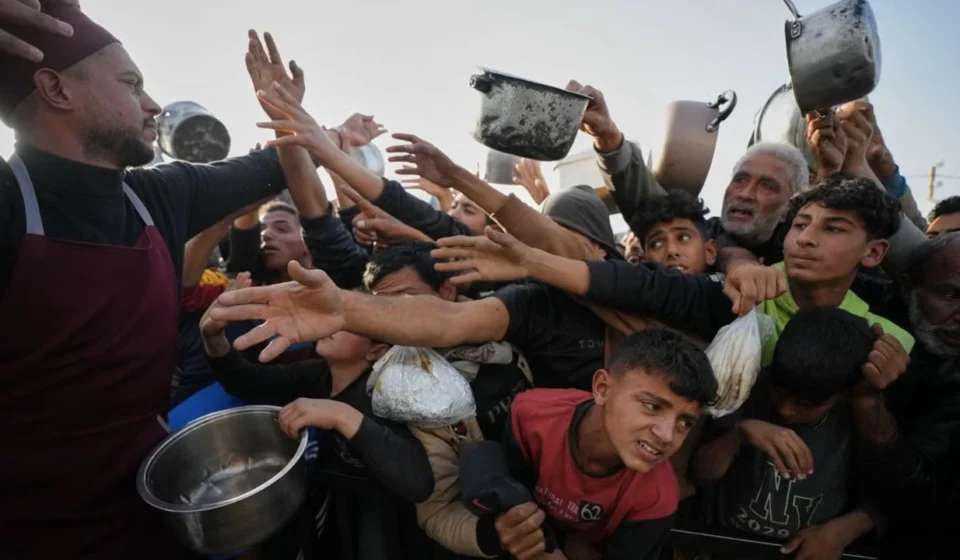

International health authorities have issued urgent warnings over a growing wave of child malnutrition and poverty in conflict affected regions, where recent military strikes have disrupted food supplies, medical services, and essential support networks. Behind the alarming statistics are millions of families facing empty kitchens, unsafe shelters, and difficult choices between finding food and escaping violence. Health officials warn that without immediate humanitarian action, the impact on children could last for generations.
Conflict Zones Face a Growing Child Nutrition Emergency
Recent escalations in military activity across several vulnerable regions have created conditions where hunger is spreading faster than aid can reach communities. Children living near conflict areas are experiencing shortages of nutritious food, clean water, and basic healthcare, increasing risks of severe acute malnutrition, weakened immune systems, and developmental delays.
We have seen repeatedly that conflict does not only destroy buildings and infrastructure. It also breaks the systems that protect children from hunger. When roads become unsafe, markets close, and families are forced to flee, access to fresh food and medical treatment disappears quickly. Infants and young children are especially vulnerable because their bodies require consistent nutrition during critical stages of growth.
Organizations monitoring global food security have warned that displacement, economic instability, and damaged agricultural systems are creating a dangerous combination. The World Food Programme continues to report that conflict remains one of the strongest drivers of hunger worldwide, with millions of people depending on emergency food assistance.
Poverty Spikes Add Pressure to Already Fragile Communities
The malnutrition crisis is not caused by food shortages alone. Rising poverty levels are limiting families’ ability to purchase available supplies, especially in areas where inflation, unemployment, and damaged local economies have increased household stress.
Parents who once relied on farming, small businesses, or local employment are increasingly struggling to provide regular meals. Many families have reduced the number of meals they eat each day, while others are choosing cheaper foods that provide fewer essential nutrients. For children, these changes can affect physical growth, learning ability, and long term health outcomes.
Humanitarian experts describe the current situation as a warning sign that economic hardship and conflict can combine to create a cycle of hunger. When children suffer from poor nutrition, communities face greater challenges rebuilding after crises because a generation may experience lasting health and educational setbacks.
Why Children Are at the Center of the Crisis
Young children face the highest risks because malnutrition during early life can permanently affect development. A child who does not receive enough calories, protein, vitamins, and minerals may experience weakened immunity and greater vulnerability to disease.
Health specialists identify several major threats facing children in conflict affected communities:
- Severe shortages of nutritious foods needed for healthy growth.
- Limited access to healthcare services that identify and treat malnutrition early.
- Unsafe drinking water and sanitation conditions that increase illness.
- Displacement that separates families from traditional support systems.
These challenges often appear together. A child who lacks proper nutrition is more likely to become seriously ill, while illness can make it harder for the body to absorb nutrients. This creates a harmful cycle that requires both emergency food support and broader public health responses.
Humanitarian Groups Call for Immediate International Response
Global health organizations are urging governments and aid agencies to increase emergency funding, protect humanitarian access, and support programs that deliver food, medical care, and nutritional services to affected populations.
The response requires more than distributing emergency supplies. Specialists say communities need long term strategies that restore local food systems, strengthen healthcare networks, and help families rebuild financial stability after conflict.
The World Health Organization has highlighted the connection between humanitarian emergencies and worsening health outcomes, noting that protecting vulnerable populations requires coordinated action across nutrition, healthcare, sanitation, and social support programs.
The Hidden Costs of Childhood Hunger
When a child experiences prolonged malnutrition, the consequences can extend far beyond the immediate crisis. Poor nutrition can affect school participation, cognitive development, and future economic opportunities. Communities recovering from conflict may face additional barriers when large numbers of children require ongoing health support.
Families living through these emergencies often describe hunger as a daily uncertainty. Parents may spend hours searching for affordable food, while children wait in temporary shelters or crowded displacement centers. These personal experiences reveal the human side of a crisis that is often measured only through numbers and reports.
Every statistic represents a child with a name, a family with hopes, and a community trying to survive extraordinary circumstances. Addressing malnutrition requires recognizing both the immediate physical needs and the emotional toll placed on families.
Preventing a Larger Global Health Challenge
Experts warn that delayed action could allow regional hunger emergencies to become broader public health challenges. Early intervention remains one of the most effective ways to prevent severe outcomes, particularly through childhood nutrition programs, vaccination services, clean water initiatives, and maternal healthcare support.
Governments and international partners are also being encouraged to invest in resilience programs that help communities withstand future shocks. Strengthening agriculture, improving food distribution networks, and supporting local healthcare workers can reduce the impact of future conflicts and economic disruptions.
A Call for Continued Attention and Support
The latest warnings from health authorities serve as a reminder that conflict affects far more than immediate security. The damage reaches homes, hospitals, schools, and family kitchens where parents struggle to provide basic meals for their children.
We must view rising malnutrition as both a humanitarian emergency and a long term global health concern. Protecting children today means protecting the future stability and well being of entire communities. International cooperation, sustained funding, and timely action remain essential to prevent hunger from becoming another lasting consequence of conflict.