

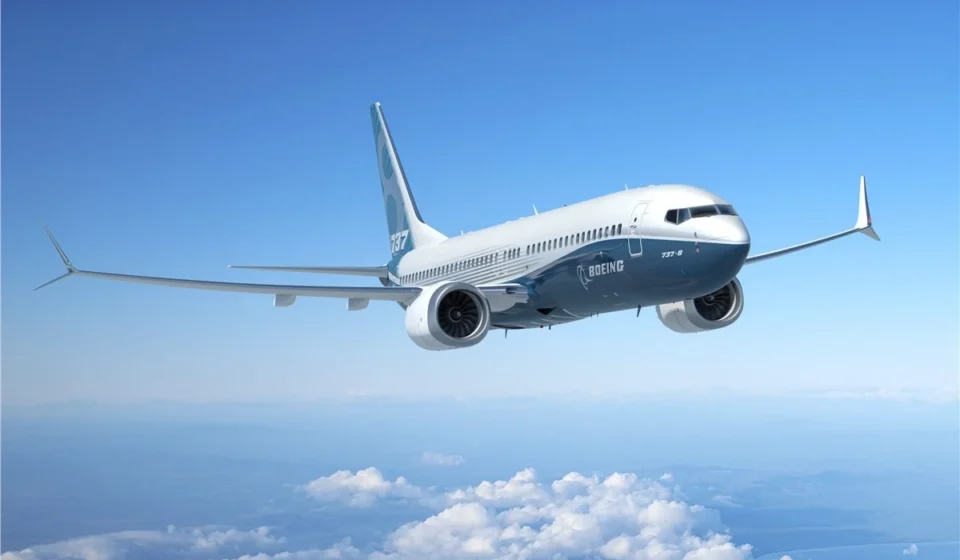

The aviation industry is preparing for a future that looks far larger than its present. Boeing has released its 2026 Commercial Market Outlook ahead of the Farnborough International Airshow, projecting that worldwide passenger traffic will roughly double by 2045. Meeting that demand, the company says, will require nearly 44000 new commercial aircraft over the next two decades, signaling one of the most significant expansion periods in modern aviation despite ongoing geopolitical tensions and economic uncertainty.
The forecast paints a picture of resilient demand driven by population growth, expanding middle class incomes, stronger international connectivity, and airlines seeking more fuel efficient fleets. While conflicts, supply chain challenges, and shifting trade policies continue to create short term uncertainty, Boeing believes the long term trajectory for global aviation remains firmly upward.
Passenger demand continues to outpace temporary disruptions
Commercial aviation has faced several difficult years marked by pandemic recovery, aircraft production delays, inflationary pressure, regional conflicts, and changing travel regulations. Even so, passenger demand has returned faster than many analysts expected. Airlines across North America, Europe, Asia, the Middle East, and Latin America have reported stronger booking trends as both leisure and business travel continue to recover.
Boeing argues that these temporary challenges have not altered the underlying drivers of air travel. More people are flying for work, tourism, education, and family connections. Emerging economies continue to see millions of first time travelers entering the aviation market each year, while established markets are experiencing steady increases in international travel.
The company expects this sustained growth to push airlines toward expanding their fleets while replacing older aircraft with more efficient models that consume less fuel and produce lower emissions.
Nearly 44000 new aircraft expected over the next twenty years
The headline figure in Boeing’s outlook is the projected demand for almost 44000 new commercial aircraft by 2045. These deliveries are expected to support both fleet expansion and aircraft replacement as carriers modernize operations.
Industry analysts note that single aisle aircraft will continue to represent the largest share of future deliveries because they serve the busiest domestic and regional routes around the world. Wide body aircraft are also expected to see growing demand as international travel continues its recovery and airlines expand long distance services.
Several factors are expected to shape purchasing decisions.
- Growing passenger numbers across developing economies.
- Replacement of aging aircraft with newer fuel efficient models.
- Expansion of low cost carriers serving regional markets.
- Increasing cargo demand supporting global trade.
- Investment in sustainable aviation technologies.
Emerging markets remain central to aviation growth
One of the strongest themes in Boeing’s forecast is the increasing importance of emerging economies. Countries across Asia, Africa, the Middle East, and parts of Latin America are expected to account for a significant share of future passenger growth.
Rising household incomes, expanding urban populations, and improved airport infrastructure are making air travel accessible to millions of new passengers. Cities that previously supported only limited commercial service are becoming important transportation hubs, creating opportunities for airlines to introduce new domestic and international routes.
We are also seeing governments invest heavily in airport modernization, air traffic management systems, and regional connectivity programs. These investments help strengthen aviation networks while supporting tourism, trade, and broader economic development.
Airlines face the challenge of balancing growth with sustainability
While demand is expected to rise sharply, the aviation industry also faces increasing pressure to reduce its environmental footprint. Airlines, manufacturers, regulators, and researchers continue searching for practical ways to lower emissions while maintaining reliable global transportation.
New aircraft designs offer significant improvements in fuel efficiency compared with older generations. Many carriers are replacing aging fleets to reduce operating costs while supporting environmental goals. Sustainable aviation fuel continues to receive growing attention, although production remains well below projected future demand.
Research organizations working alongside manufacturers are also exploring advanced propulsion technologies, lightweight materials, and improved operational efficiency. Readers interested in broader aviation sustainability initiatives can explore the work of the International Civil Aviation Organization, which outlines global environmental standards for international aviation.
Supply chains remain under pressure
Forecasting demand is only one part of the equation. Delivering tens of thousands of aircraft requires a stable manufacturing ecosystem capable of producing engines, avionics, structural components, and specialized materials at a consistent pace.
The aerospace sector continues working through supply chain constraints that have slowed aircraft production over recent years. Manufacturers have experienced shortages of skilled labor, production bottlenecks, and delayed deliveries from suppliers across multiple continents.
These challenges have contributed to longer waiting periods for airlines placing new aircraft orders. Even with strong demand, expanding manufacturing capacity remains a complex process requiring years of investment across the aerospace supply network.
Geopolitical uncertainty continues to shape aviation planning
Global aviation does not operate in isolation from political developments. Regional conflicts, trade disputes, sanctions, and changing security conditions can influence airline routes, fuel costs, aircraft financing, and passenger demand.
Boeing acknowledged these risks while maintaining confidence that long term growth trends remain intact. History has shown that aviation often experiences temporary setbacks during periods of geopolitical tension before resuming expansion as economies stabilize and travel demand returns.
Airlines increasingly build flexibility into their route planning, allowing them to respond more quickly to changing international conditions while protecting operational efficiency.
Farnborough International Airshow offers a major industry stage
The release of Boeing’s outlook comes just before the Farnborough International Airshow, one of the aerospace industry’s most closely watched events. Aircraft manufacturers, airlines, suppliers, defense companies, regulators, and investors gather to announce commercial agreements, showcase technology, and discuss future industry trends.
The event often serves as a barometer for confidence across the aerospace sector. Large aircraft purchase announcements, technology partnerships, and sustainability initiatives frequently attract worldwide attention during the exhibition.
Additional information about global aviation data and industry trends is available through the International Air Transport Association, which regularly publishes passenger traffic statistics and market analysis.
What Boeing’s outlook means for travelers
For passengers, the forecast suggests more than simply larger airline fleets. Continued investment in aviation could translate into expanded route networks, more frequent flights, improved aircraft interiors, and greater access to destinations that previously had limited commercial service.
Modern aircraft also offer quieter cabins, better fuel efficiency, and improved operating economics, helping airlines manage costs while responding to growing travel demand. Increased competition among carriers may create additional opportunities for travelers seeking more flexible schedules and expanded destination choices.
Many airports are already planning terminal expansions, runway improvements, and digital passenger services to prepare for the anticipated increase in traffic during the coming decades.
Long term confidence despite short term uncertainty
Boeing’s latest Commercial Market Outlook reflects confidence that aviation will remain one of the strongest drivers of global economic connectivity through 2045. Although the industry continues facing production constraints, geopolitical instability, and sustainability challenges, long term demand appears resilient.
Nearly 44000 projected aircraft deliveries represent more than manufacturing targets. They reflect expectations that millions of additional people will travel for education, business, tourism, healthcare, and family connections across an increasingly interconnected world.
The path toward that future will require cooperation among aircraft manufacturers, airlines, governments, regulators, airports, and technology developers. If current projections hold true, the commercial aviation landscape two decades from now will be substantially larger, more efficient, and more globally connected than the industry operating today.