

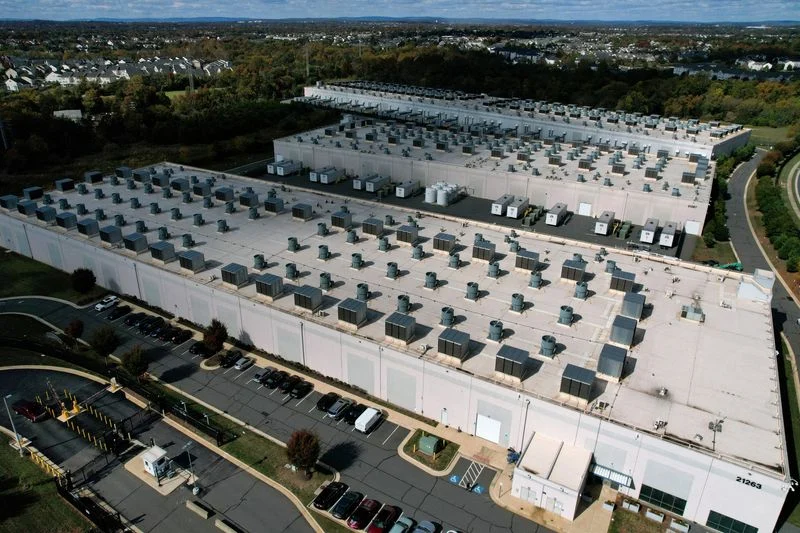

The United States is making one of its strongest investments yet in artificial intelligence driven energy infrastructure. On July 14, 2026, the U.S. National Science Foundation announced a funding package worth more than $321 million to launch a Regional Innovation Engine focused on modernizing the nation’s energy systems. The initiative brings together universities, research institutions, industry partners, and government organizations with a shared goal of creating intelligent technologies that can protect power networks, strengthen cybersecurity, and improve the resilience of energy supply chains in an increasingly connected world.
The announcement arrives at a time when electricity demand is climbing because of expanding data centers, advanced manufacturing, electric vehicles, and digital services. Aging infrastructure, growing cyber threats, and severe weather events have exposed weaknesses across power systems. By combining artificial intelligence with next generation hardware and software, researchers hope to create practical solutions that keep energy flowing safely while preparing the grid for decades of future growth.
A Historic Investment in Energy Innovation
The National Science Foundation has increasingly supported research that moves beyond laboratory discoveries and into practical applications that benefit communities and industries. This Regional Innovation Engine reflects that vision by connecting academic research with commercial development and workforce training.
The more than $321 million commitment represents a long term investment rather than a single research grant. Participating organizations will work together to design technologies capable of monitoring electrical networks in real time, identifying vulnerabilities before failures occur, and improving coordination across regional and national energy systems.
The initiative also demonstrates how artificial intelligence is becoming a core component of critical infrastructure planning. Instead of treating AI as a separate research field, the project places machine learning, predictive analytics, and intelligent automation at the center of energy reliability and national security.
Why Artificial Intelligence Matters for the Modern Power Grid
Electric grids have become remarkably complex. Renewable energy sources such as solar and wind generate electricity under changing weather conditions, while millions of connected devices continuously draw power from the network. Managing these moving parts requires faster analysis than traditional systems can often provide.
Artificial intelligence can process enormous volumes of operational data within seconds. Smart algorithms can forecast electricity demand, anticipate equipment failures, detect abnormal activity, and recommend immediate responses before problems spread across the grid.
Researchers participating in the new innovation hub are expected to explore technologies such as intelligent sensors, advanced computing platforms, automated grid management software, and predictive maintenance systems. Together, these tools could reduce outages, improve efficiency, and lower maintenance costs while helping utilities respond more effectively during emergencies.
Cybersecurity Becomes a Central Priority
Energy infrastructure has become an attractive target for cybercriminals and state sponsored attackers. Power systems rely on digital communications that connect generation facilities, transmission networks, substations, and customer services. Every new connection creates opportunities for malicious activity if proper safeguards are not in place.
The Regional Innovation Engine plans to integrate cybersecurity into every stage of technology development rather than treating security as an afterthought. Artificial intelligence may help identify suspicious network behavior, isolate compromised systems, and alert operators before attacks disrupt essential services.
Research supported through the initiative could also improve software verification, hardware security, and secure communication protocols that protect critical infrastructure from evolving digital threats. Additional information about the National Science Foundation and its research programs is available through the National Science Foundation.
Protecting Global Energy Supply Chains
Energy security extends well beyond domestic electricity production. Modern economies depend on international supply chains for critical minerals, semiconductors, industrial equipment, batteries, and specialized manufacturing components. Disruptions affecting any part of that network can influence energy availability and economic stability.
The new innovation hub aims to strengthen resilience by developing technologies that provide better visibility into supply chain operations while helping organizations anticipate shortages and respond more effectively to unexpected disruptions.
Artificial intelligence can analyze transportation patterns, manufacturing capacity, inventory levels, and market conditions to identify potential risks before they become widespread problems. These predictive capabilities may support both public agencies and private industry as they make strategic planning decisions.
A Partnership That Extends Beyond Universities
One of the defining features of the Regional Innovation Engine is its collaborative structure. Rather than concentrating research within a single institution, the program connects multiple universities with private companies, nonprofit organizations, government agencies, and local communities.
This collaborative approach increases the likelihood that research findings will move into commercial products and operational systems. Engineers can work alongside utility operators, software developers, manufacturers, and cybersecurity specialists to test new ideas under realistic conditions.
Students and early career researchers are also expected to gain valuable experience by participating in multidisciplinary projects that combine engineering, computer science, energy policy, economics, and public safety.
Building the Workforce Needed for Future Energy Systems
Technology alone cannot modernize critical infrastructure. Skilled workers will be equally important as utilities and energy companies adopt intelligent systems throughout their operations.
The Regional Innovation Engine is expected to support education and workforce development through research opportunities, technical training, industry partnerships, and community engagement programs. These efforts could help prepare engineers, software developers, cybersecurity specialists, and data scientists for careers supporting advanced energy systems.
Communities participating in the initiative may also benefit from new employment opportunities as research projects mature into commercial technologies and startup companies.
Economic Opportunities Beyond the Laboratory
Federal investments in research often create ripple effects that extend well beyond scientific publications. Regional innovation programs can attract private investment, encourage business formation, and strengthen local manufacturing ecosystems.
Companies developing intelligent grid technologies may find new opportunities to commercialize sensors, software platforms, cybersecurity solutions, cloud computing services, and advanced hardware created through the research partnership.
These innovations could eventually support utilities across the United States while opening export opportunities in countries seeking reliable and secure energy infrastructure.
Artificial Intelligence Continues to Shape National Infrastructure
Artificial intelligence has rapidly expanded from consumer applications into sectors that support everyday life. Healthcare, transportation, agriculture, manufacturing, and financial services already rely on intelligent systems to improve decision making and operational efficiency.
Energy infrastructure represents another major frontier. As electricity demand continues to grow, AI powered management systems may become essential for balancing renewable generation, supporting electric vehicle charging networks, reducing waste, and responding quickly to changing conditions.
Federal agencies have increasingly recognized this potential by supporting research that connects artificial intelligence with practical infrastructure challenges. Readers interested in broader federal research priorities can also explore ongoing initiatives through the United States Department of Energy.
What Success Could Look Like
If the Regional Innovation Engine achieves its long term objectives, Americans may not immediately notice dramatic changes in their daily routines. Instead, success could appear through fewer power interruptions, faster recovery following severe storms, stronger protection against cyber attacks, and more efficient integration of renewable energy resources.
Businesses could benefit from more reliable electricity that reduces costly downtime. Communities may gain greater confidence that critical services including hospitals, emergency response systems, schools, and transportation networks can continue operating during periods of stress.
Researchers also hope the initiative will encourage additional collaboration between universities and industry, creating a model that other regions can adapt for infrastructure challenges beyond the energy sector.
Looking Ahead
The National Science Foundation’s decision to invest more than $321 million in an artificial intelligence focused Regional Innovation Engine reflects growing recognition that energy security depends on innovation as much as physical infrastructure. Smarter software, resilient hardware, stronger cybersecurity, and collaborative research could play an increasingly important role in protecting electricity systems that support millions of homes and businesses.
As the consortium begins its work, the project will be closely watched by policymakers, utilities, technology companies, and researchers around the world. The lessons learned from this ambitious effort may influence how future power grids are designed, defended, and managed while helping the United States prepare for an energy landscape shaped by digital intelligence and rapidly changing demands.