

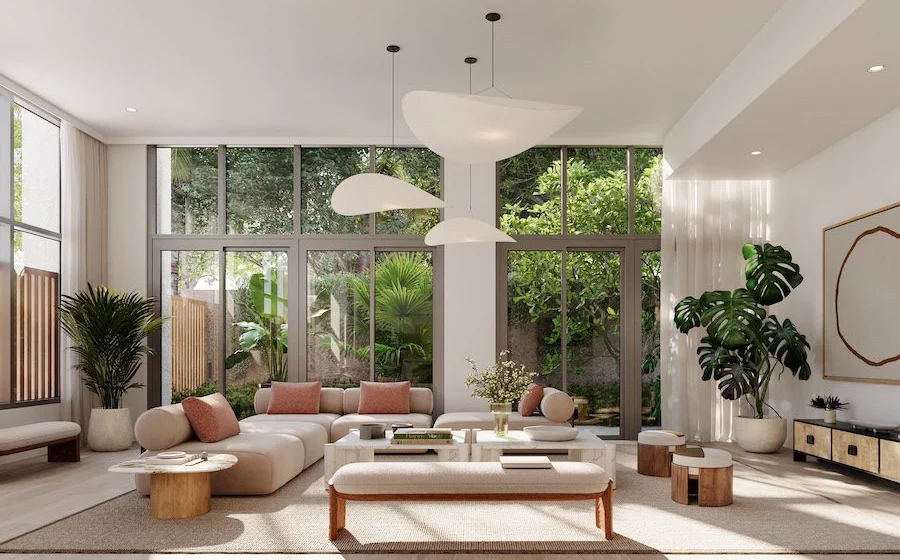

Fresh data released on August 5, 2026, points to a remarkable shift in how people define the ideal place to live. The Global Wellness Institute reported that wellness focused residential real estate has reached a market value of $548 billion, reflecting growing demand for neighborhoods designed around health, longevity, sustainability, and everyday quality of life. Industry observers now see a realistic path toward a global valuation approaching $1 trillion as developers respond to changing consumer priorities and governments pay closer attention to healthier urban planning.
For many families, buying a home is no longer only about square footage or proximity to work. Residents increasingly want cleaner air, walkable streets, access to nature, community spaces, fitness amenities, and buildings that support physical and mental wellbeing. This growing preference is reshaping residential construction across multiple continents while attracting investors searching for long term growth opportunities.
Health has become a defining feature of modern housing
Residential communities have traditionally focused on convenience and aesthetics. Wellness communities take that idea much further by integrating environmental design, preventive health concepts, and sustainable infrastructure into daily life. Developers are creating neighborhoods where residents can exercise outdoors, enjoy shaded walking paths, access nutritious food, and spend more time surrounded by green landscapes.
The latest findings from the Global Wellness Institute suggest that this approach has evolved from a premium niche into one of the fastest growing segments within the broader property market. Builders are responding to consumers who increasingly connect their living environment with long term health outcomes.
Medical research has consistently linked access to parks, cleaner environments, and active transportation with improved physical and mental wellbeing. Communities that make healthy choices easier often appeal to buyers seeking stability, especially families with children and older adults planning for retirement.
Longevity communities are attracting global attention
One of the strongest trends driving the market involves longevity centered master planned communities. These developments are carefully designed to help residents maintain healthier lifestyles throughout every stage of life. Instead of simply offering fitness centers, many projects integrate wellness into the entire neighborhood experience.
Common features include:
- Extensive walking and cycling routes connected throughout the community.
- Outdoor gathering spaces that encourage social interaction.
- Natural landscaping that improves comfort and biodiversity.
- Buildings designed for better indoor air quality and natural daylight.
- Local access to preventive healthcare services and wellness programs.
These communities appeal to retirees seeking active lifestyles, working professionals balancing demanding schedules, and younger families interested in raising children in healthier surroundings.
Eco integrated neighborhoods continue to expand
Environmental responsibility has become closely connected with wellness real estate. Buyers increasingly recognize that healthier homes often depend on healthier ecosystems. Developers are therefore combining energy efficient construction, water conservation, renewable energy systems, and abundant green spaces within large residential projects.
Many new communities also prioritize native vegetation, improved stormwater management, reduced traffic congestion, and public spaces that encourage outdoor activity. These features not only reduce environmental impact but also create neighborhoods where people feel more comfortable spending time outside.
Urban planners increasingly believe that thoughtful design can improve public health while reducing long term infrastructure costs. This philosophy continues to gain support as cities prepare for population growth and changing climate conditions.
Changing buyer priorities reshape investment decisions
Consumer expectations have shifted noticeably during the past decade. Remote work, growing health awareness, and demographic changes have encouraged buyers to spend more time evaluating neighborhood quality instead of focusing exclusively on the home itself.
Real estate professionals report rising interest in properties offering access to nature, recreation, wellness facilities, and community engagement. Many prospective homeowners now ask questions about air quality, nearby parks, walking distances, and environmental certifications before making purchasing decisions.
Institutional investors have also taken notice. Long term demand for healthier living environments offers attractive opportunities for developers, investment funds, and infrastructure companies looking beyond traditional housing models.
Technology quietly supports healthier communities
Modern wellness developments frequently incorporate technology without making it the center of attention. Smart irrigation systems conserve water while maintaining green landscapes. Building sensors help monitor indoor air quality. Energy management platforms reduce electricity consumption. Digital health services may also connect residents with healthcare providers without requiring lengthy travel.
The goal is not simply to fill neighborhoods with advanced devices. Instead, technology supports healthier routines while remaining largely invisible during everyday life. Residents benefit from cleaner buildings, efficient utilities, and improved comfort without constantly interacting with complex systems.
Challenges remain despite rapid growth
Although the outlook appears promising, wellness real estate still faces meaningful challenges. Construction costs remain high in many regions, especially when projects include extensive environmental infrastructure and premium building materials. Developers must also balance affordability with ambitious design goals.
Accessibility represents another important issue. Many wellness communities currently target higher income buyers, raising questions about whether similar health focused design principles can become available across broader housing markets. Policymakers and industry leaders continue discussing ways to incorporate wellness features into more affordable residential developments.
Measuring success also requires careful evaluation. Attractive landscaping alone does not necessarily improve health outcomes. Experts continue refining standards that help distinguish genuinely wellness focused developments from projects relying primarily on marketing language.
Global cities are adapting to changing expectations
Major metropolitan regions across North America, Europe, Asia, and the Middle East are increasingly incorporating wellness concepts into urban expansion plans. Mixed use districts now frequently combine residential housing with public parks, medical services, recreational facilities, educational centers, and retail spaces designed for walkable lifestyles.
Governments are also encouraging greener construction through updated building standards and sustainability initiatives. Organizations such as the World Health Organization continue promoting healthier urban environments because community design plays an important role in preventing chronic disease and improving overall wellbeing.
This broader policy support provides additional momentum for developers investing in neighborhoods that prioritize both environmental sustainability and public health.
Why the market could approach $1 trillion
The current market value of $548 billion already places wellness residential real estate among the most significant specialized property sectors worldwide. Several powerful trends suggest continued expansion during the coming years.
Population aging continues across many countries, increasing demand for homes that support healthy aging. Younger generations increasingly value environmental responsibility and active lifestyles when selecting neighborhoods. Climate resilience has become a larger consideration for both developers and buyers. Investors remain interested in sectors with durable long term demand rather than short lived market cycles.
Together, these forces create conditions that could push global wellness real estate toward the widely discussed $1 trillion milestone if current investment patterns continue.
The future of housing may depend on quality of life
The latest market figures tell a story that extends far beyond rising property values. They reflect changing expectations about how neighborhoods should serve the people who live within them. Buyers increasingly seek places where children can safely play outdoors, older adults can remain active, and everyday routines naturally encourage healthier living.
We are witnessing a gradual redefinition of residential development itself. Success is no longer measured only by the number of homes completed or the financial return generated. Communities are increasingly judged by the quality of life they provide, the resilience they build, and the lasting value they create for future generations.
If current momentum continues, wellness real estate will not simply represent another property trend. It may become one of the defining forces shaping cities and residential communities throughout the coming decades.