
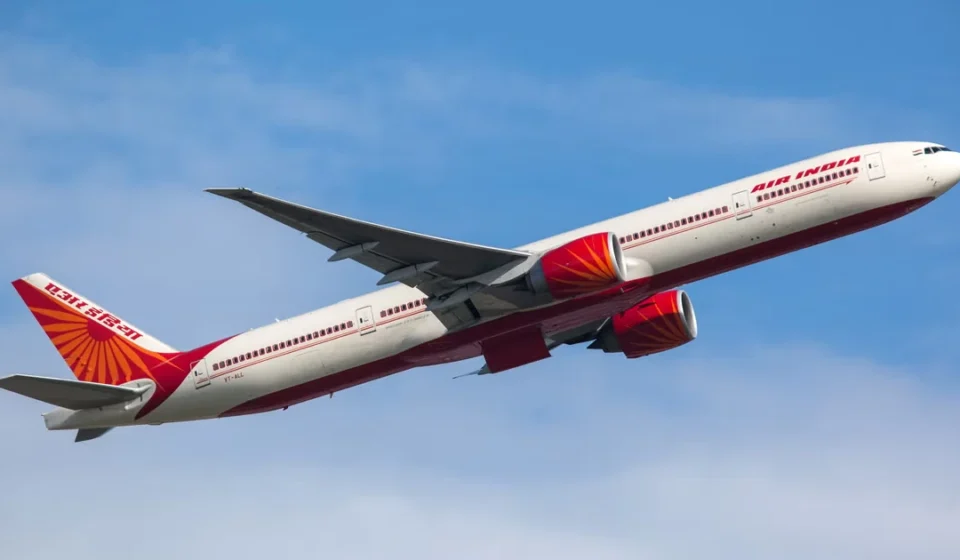

A routine international journey turned into a frightening experience after a passenger aircraft bound for Delhi encountered severe turbulence that caused the plane to plunge nearly 300 feet within moments. The unexpected movement injured 14 passengers and prompted aviation safety authorities to launch a formal investigation on August 4, 2026. While the aircraft landed safely and emergency teams responded quickly upon arrival, the incident has renewed public attention on passenger safety, cabin procedures, and the growing challenge that turbulence presents for airlines across the globe.
Passengers Faced Seconds of Chaos Inside the Cabin
For those on board, the sudden drop came with little warning. Travelers described a violent jolt that sent unsecured belongings flying through the cabin while some passengers who were not wearing seat belts were thrown from their seats. Flight attendants working in the aisle also faced significant danger as the aircraft encountered the turbulent air.
Medical personnel assessed injured passengers after the aircraft reached Delhi. Authorities confirmed that 14 people suffered injuries ranging from minor cuts and bruises to more serious trauma requiring medical attention. Airline representatives stated that affected passengers received immediate assistance and that support services were made available for those needing further care.
Although modern commercial aircraft are designed to withstand turbulence well beyond the forces typically encountered during passenger operations, injuries often occur because of sudden cabin movement rather than structural damage to the aircraft itself.
Investigation Focuses on Flight Conditions and Crew Response
Aviation safety investigators have begun examining multiple aspects of the flight. Their review is expected to include weather information, cockpit communications, flight data recorder information, aircraft performance, and crew decision making before and during the turbulence event.
The investigation will seek to determine whether the turbulence could have been anticipated through weather forecasting or pilot reports from nearby aircraft. Investigators are also expected to evaluate the timing of seat belt announcements and the effectiveness of cabin safety procedures during the emergency.
Safety investigations of this nature rarely focus on assigning blame. Instead, they aim to identify contributing factors that can improve procedures and reduce the likelihood of similar incidents in the future.
Why Severe Turbulence Can Develop Without Much Warning
Turbulence remains one of the most unpredictable challenges in commercial aviation. While thunderstorms, mountain waves, and unstable weather systems frequently create rough air, another phenomenon known as clear air turbulence can occur without visible clouds, making it difficult for pilots and weather systems to detect.
Aircraft crews receive weather briefings before departure and continuously monitor atmospheric conditions during flight. They also communicate with air traffic controllers and other aircraft to exchange reports about rough air encountered along similar routes. Despite these precautions, rapidly changing atmospheric conditions can occasionally produce unexpected turbulence.
The Federal Aviation Administration advises travelers to keep their seat belts fastened whenever they are seated because unexpected turbulence can occur even during otherwise smooth flights.
How Commercial Aircraft Are Built to Handle Rough Air
Many travelers naturally associate sudden drops with mechanical failure, yet experts consistently point out that turbulence itself rarely threatens the structural integrity of modern passenger aircraft. Commercial airplanes undergo extensive engineering and testing to withstand forces far greater than those experienced during normal airline operations.
Pilots are trained extensively to manage turbulent conditions by adjusting speed, altitude, and flight path whenever practical. Aircraft systems continuously provide performance information that helps flight crews maintain safe control even when encountering strong atmospheric disturbances.
The greatest risk during turbulence usually involves passengers and crew members moving about the cabin without seat belts. This is why airlines repeatedly remind travelers to remain seated with their belts securely fastened whenever the seat belt sign is illuminated and, whenever possible, throughout the flight.
Growing Attention on Turbulence Safety
Researchers have reported increasing interest in the relationship between changing atmospheric conditions and turbulence patterns on long distance flight routes. Although scientists continue studying these trends, airlines have also invested in better weather forecasting tools, advanced flight planning software, and improved communication systems that allow crews to receive updated turbulence reports in near real time.
The International Civil Aviation Organization continues working with aviation regulators and airlines worldwide to strengthen operational safety standards, improve information sharing, and encourage consistent reporting of turbulence events.
Every significant incident provides valuable operational data that can improve predictive models and refine pilot guidance. Safety investigators frequently recommend procedural improvements after reviewing events involving unexpected cabin injuries.
Airline Safety Procedures During Turbulence
Cabin crews receive specialized training for turbulence related emergencies. When rough air is anticipated, they secure service equipment, instruct passengers to return to their seats, verify that seat belts are fastened, and suspend cabin service if conditions become unsafe.
If severe turbulence develops suddenly, crew members focus on protecting themselves while communicating with the flight deck. Pilots may request a different cruising altitude, coordinate with air traffic control, or divert around hazardous weather whenever operationally feasible.
Following landing, airlines activate established emergency response plans that may include medical teams, passenger assistance personnel, and engineering inspections before the aircraft returns to service.
Simple Safety Steps Passengers Can Follow
Most experienced travelers recognize that small actions can significantly reduce the risk of injury during unexpected turbulence.
- Keep your seat belt securely fastened whenever seated, even if the seat belt sign is switched off.
- Store heavy carry on items properly before departure.
- Avoid standing unless necessary during flight.
- Listen carefully to cabin crew instructions throughout the journey.
- Return to your seat immediately if the crew announces expected turbulence.
These straightforward precautions have repeatedly proven effective in preventing injuries during sudden aircraft movement.
Confidence in Air Travel Remains Strong
Events involving severe turbulence often receive widespread public attention because they are dramatic and unsettling. At the same time, aviation continues to rank among the safest forms of transportation. Airlines, aircraft manufacturers, regulators, meteorologists, and safety investigators constantly analyze operational data to strengthen procedures and improve passenger protection.
The investigation into the Delhi bound flight is expected to provide additional insight into the atmospheric conditions that produced the sudden altitude change and whether operational improvements can further reduce future risks. Until investigators complete their analysis, aviation authorities are expected to review all available evidence carefully before issuing any recommendations.
For the passengers aboard the affected flight, the experience will likely remain unforgettable. For the aviation community, it represents another opportunity to strengthen safety practices through careful investigation, transparent reporting, and continued investment in technology that helps crews anticipate hazardous conditions before they become dangerous.