

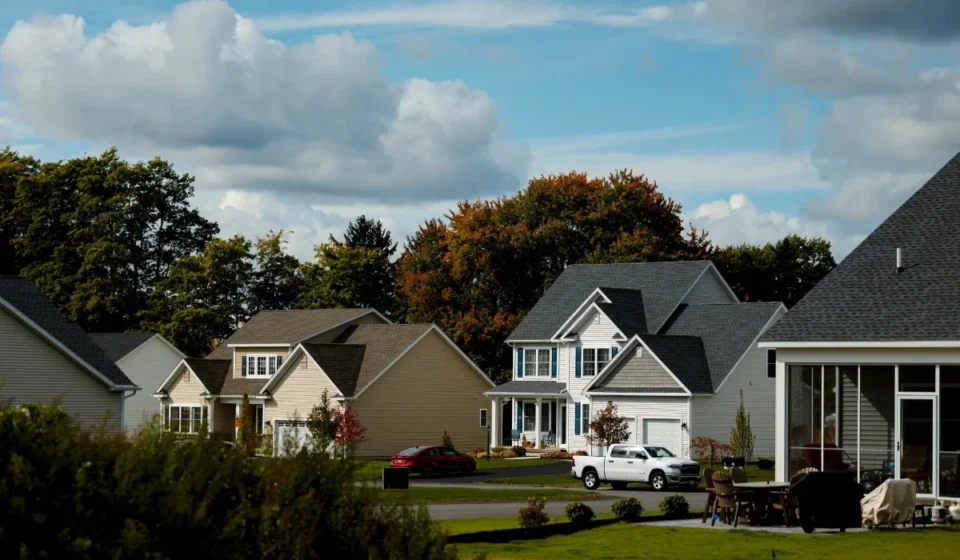

Home prices continued their steady rise across much of the United States during the second quarter of 2026, adding another chapter to a housing market that has challenged buyers for several years. A new report released on August 4, 2026, by the National Association of Realtors found that home values increased in 80 percent of metropolitan areas nationwide, reflecting the ongoing imbalance between strong buyer demand and a limited number of homes available for sale. While mortgage costs and affordability concerns remain part of the conversation, the latest data suggest that scarce inventory continues to shape market conditions from coast to coast.
We have watched housing trends shift through changing interest rates, economic uncertainty, and evolving buyer preferences. Yet one factor has remained remarkably consistent. There simply are not enough homes available to satisfy demand in many communities. That shortage has helped support property values even as some buyers pause their search because of higher monthly costs.
National Housing Market Continues to Show Broad Price Growth
The latest findings reveal that the majority of metropolitan housing markets experienced annual price gains during the second quarter. Although the pace of appreciation varies by region, the broad pattern points to a market where sellers continue to hold a meaningful advantage in many locations.
Communities with limited housing construction, strong local employment, and steady population growth have generally recorded stronger price increases than areas where inventory has improved. Buyers continue competing for a relatively small number of available listings, often leading to faster sales and firm asking prices.
The report also reflects how local conditions can differ significantly. While most metro areas posted gains, some markets experienced slower appreciation or modest declines as inventory gradually improved or affordability reached its limits.
Inventory Shortages Remain the Central Challenge
Housing economists have repeatedly pointed to inventory shortages as the primary force behind rising home prices. Existing homeowners with historically low mortgage rates have shown little interest in selling because purchasing another home could require accepting a much higher financing cost. That reluctance has reduced the number of existing homes entering the market.
At the same time, builders continue working to increase housing supply, but construction activity has faced challenges including labor availability, material costs, land prices, and local development regulations. While new construction has expanded in several regions, many analysts believe it will take years before supply catches up with long term demand.
Current housing market statistics and research published by the National Association of Realtors continue to highlight inventory as one of the most influential factors affecting home prices across the country.
Affordability Remains a Growing Concern
Rising home prices create additional financial pressure for households hoping to purchase their first property. Even modest annual appreciation can significantly increase the amount needed for a down payment while also raising monthly mortgage obligations.
Many first time buyers are carefully evaluating their budgets before entering the market. Some have expanded their search into surrounding suburbs or smaller metropolitan areas where homes remain relatively more affordable. Others continue renting while saving additional funds or waiting for market conditions to improve.
Affordability challenges are not limited to younger buyers. Families seeking larger homes and older homeowners looking to downsize also face difficult decisions because replacement housing often carries a higher purchase price than expected.
Regional Differences Continue to Shape Buyer Decisions
Although the national picture points toward widespread price gains, local markets tell unique stories. Metropolitan areas with expanding technology, healthcare, manufacturing, and education sectors often attract new residents, increasing competition for available homes.
Some Sun Belt communities continue benefiting from population growth and business investment, while several Midwestern markets remain attractive because they offer comparatively lower home prices. Coastal cities with constrained land availability frequently experience stronger upward pressure on values because new housing development remains limited.
These regional differences remind buyers that national averages only provide part of the picture. Local employment trends, migration patterns, zoning policies, and new housing development all influence individual market performance.
Mortgage Rates Continue to Influence Buyer Activity
Financing costs remain one of the biggest considerations for prospective homeowners. Even when buyers qualify for loans, higher mortgage rates reduce purchasing power by increasing monthly payments.
Some households have adjusted their expectations by considering smaller homes or different neighborhoods. Others remain active because stable employment and long term housing needs outweigh concerns about current borrowing costs.
Real estate professionals note that many buyers have become more patient during negotiations than they were during the intense competition seen several years ago. While attractive properties still receive strong interest, bidding activity has become more balanced in certain markets where inventory has improved.
What Sellers Can Expect in the Current Environment
Many homeowners considering a sale continue to benefit from favorable pricing conditions. Limited inventory means well maintained homes in desirable neighborhoods often attract qualified buyers relatively quickly.
That said, pricing strategy still matters. Buyers have become more selective as affordability pressures increase. Homes requiring significant repairs or carrying unrealistic asking prices may remain on the market longer than expected.
- Professionally prepared listings often receive stronger buyer attention.
- Competitive pricing remains essential despite limited inventory.
- Energy efficient features and updated interiors continue attracting interest.
- Flexible negotiations can help transactions move smoothly.
Builders Continue Working to Close the Housing Gap
Residential construction remains an important part of addressing the nationwide housing shortage. Homebuilders have expanded activity in many regions, particularly where population growth supports long term demand.
Even so, increasing supply requires time. New developments must move through planning, permitting, infrastructure installation, and construction before homes become available to buyers. These lengthy timelines mean additional inventory often enters the market gradually rather than all at once.
Housing research published by the United States Census Bureau provides regular updates on residential construction activity, offering insight into how new housing supply continues to evolve nationwide.
Economic Conditions Continue Supporting Housing Demand
Employment stability and household formation continue supporting underlying housing demand despite affordability challenges. Many families still view homeownership as a long term investment that offers financial stability and the opportunity to build equity over time.
Population movement between regions also influences demand. Workers relocating for employment opportunities, retirees seeking different lifestyles, and families looking for more space all contribute to ongoing housing activity across metropolitan areas.
These demographic patterns help explain why many markets continue experiencing price appreciation even during periods when borrowing costs remain relatively elevated.
What Buyers Should Watch During the Rest of 2026
Looking ahead, buyers will likely continue monitoring several important developments. Mortgage rate movements, additional housing construction, employment conditions, and seasonal inventory changes all have the potential to influence market activity during the remainder of the year.
Industry experts generally agree that meaningful improvements in affordability will depend on increasing the number of available homes. While demand may fluctuate from month to month, expanding supply remains the most sustainable path toward a healthier balance between buyers and sellers.
Prospective homeowners may benefit from obtaining mortgage preapproval, carefully reviewing local market trends, and remaining flexible about neighborhoods or property features. Those steps can improve purchasing opportunities even in competitive environments.
Housing Market Outlook Reflects Continued Resilience
The second quarter report reinforces a trend that has defined much of the recent housing market. Strong demand combined with limited inventory continues supporting home prices across most metropolitan areas in the United States. Although affordability remains a serious concern for many households, the market has demonstrated resilience despite changing financial conditions.
We expect housing to remain one of the most closely watched sectors of the economy throughout the remainder of 2026. Whether inventory gradually improves or price growth moderates will depend on a combination of construction activity, borrowing costs, and local economic strength. For buyers, sellers, and policymakers alike, the latest findings offer another reminder that the balance between supply and demand continues to shape the American housing landscape.