
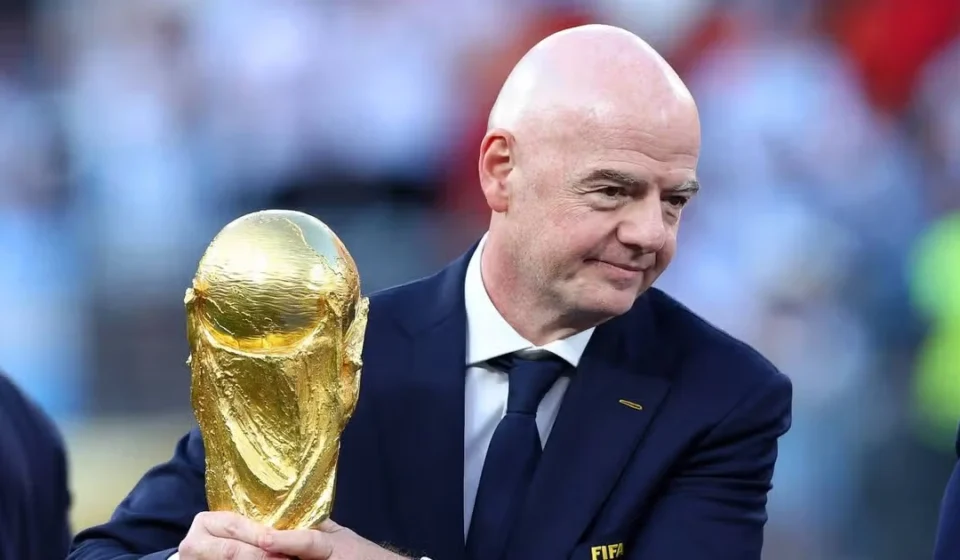

The debate over football’s role during armed conflict reached a new turning point on Aug 4, 2026, after the Palestine Football Association called on FIFA to take stronger disciplinary action over the destruction of sports facilities and the loss of lives linked to the conflict in Gaza. The request arrived at the same moment that Wales became the first national football association to publicly withdraw its support for FIFA President Gianni Infantino’s future reelection campaign, creating fresh political pressure inside the governing body of the world’s most popular sport.
The developments place FIFA at the center of a growing international conversation about sporting governance, accountability, and the responsibilities of organizations whose influence stretches far beyond the football pitch. While football often promotes unity across borders, the latest dispute highlights how global sporting institutions can become focal points during humanitarian crises.
Palestine Football Association Calls for Stronger FIFA Response
The Palestine Football Association, often referred to as the PFA, submitted a formal request urging FIFA to enforce penalties related to the destruction of football infrastructure and the reported casualties affecting athletes, officials, and members of the sporting community in Gaza.
The association argues that football cannot be separated from the safety of the people who participate in it. Stadiums, training grounds, youth academies, and community sports centers represent more than buildings. They are places where children learn teamwork, families gather, and local communities maintain a sense of normal life during periods of uncertainty.
The PFA maintains that damage to these facilities has severely disrupted domestic competitions, youth development programs, and opportunities for players seeking professional careers. Officials believe the scale of the losses requires FIFA to move beyond statements of concern and consider formal disciplinary measures under its own governance framework.
Football Infrastructure Represents More Than Competition
Across many regions affected by conflict, football fields often serve as community gathering places long before they become venues for organized matches. Coaches, volunteers, teachers, and local leaders frequently rely on sport to provide structure for young people facing extraordinary challenges.
When stadiums or training facilities become unusable, the effects extend well beyond professional competition. Grassroots football programs may lose access to safe playing areas, community tournaments can disappear, and young athletes may see years of development interrupted.
The Palestinian football community has repeatedly stated that rebuilding physical infrastructure alone cannot immediately restore lost opportunities. Experienced coaches, referees, medical staff, and youth organizers also play essential roles in sustaining football ecosystems.
Why FIFA Is Under Increasing Scrutiny
FIFA has long promoted football as a force capable of encouraging peace, inclusion, and international cooperation. Its statutes contain provisions related to human rights, discrimination, and the protection of football activities around the world. These principles have increasingly become part of broader discussions involving governments, supporters, and national associations.
The current request from the Palestine Football Association asks FIFA to apply its own rules consistently when football communities suffer extensive damage. Supporters of the request argue that governing bodies gain credibility when policies are enforced uniformly regardless of geography or political circumstances.
Critics of immediate sanctions, however, often point to the legal and diplomatic complexity surrounding international conflicts. FIFA traditionally attempts to balance sporting governance with the need to avoid becoming directly involved in geopolitical disputes, a balancing act that has repeatedly tested its leadership.
Readers seeking additional information about FIFA governance and regulations can review official statutes published by FIFA Legal.
Wales Breaks With Previous Support for Infantino
The political significance of the latest developments increased substantially after Wales became the first football nation to withdraw support for Gianni Infantino’s future reelection bid.
Although one association alone cannot determine FIFA leadership, public changes in political support often attract close attention because they may encourage broader debate among other member associations.
The decision signals that concerns surrounding FIFA’s handling of humanitarian issues are no longer confined to advocacy organizations or individual supporters. National football associations themselves are beginning to publicly express positions that could influence future discussions inside FIFA’s Congress.
The move also raises questions about whether additional football federations may reassess their positions as pressure continues to build ahead of future leadership decisions.
Growing Debate Over Governance and Accountability
International sports organizations have increasingly found themselves responding to issues extending far beyond competition schedules and tournament organization. Human rights, athlete welfare, discrimination, environmental sustainability, and conflict have all become central topics in modern sports administration.
Supporters expect governing bodies to demonstrate consistency between public commitments and practical decision making. When organizations promote values such as inclusion and fairness, many stakeholders expect those values to influence difficult decisions as well.
Within football, these expectations have grown alongside the sport’s expanding commercial reach. FIFA oversees competitions watched by billions of people worldwide, giving its decisions considerable symbolic influence.
- National associations increasingly expect greater transparency from international governing bodies.
- Players have become more willing to speak publicly on humanitarian and social issues.
- Supporters regularly use digital platforms to demand accountability from football institutions.
- Commercial partners often monitor governance decisions because reputation has become an important business consideration.
Human Impact Remains at the Center of the Conversation
Behind institutional debates and policy discussions are individual stories of players, coaches, children, volunteers, and families whose daily connection to football has been interrupted. A damaged training ground represents missed practice sessions. A closed youth academy can mean fewer opportunities for talented children hoping to build futures through sport.
Football has often offered moments of joy during difficult periods, creating friendships that cross neighborhoods and generations. For communities affected by conflict, restoring access to sport can become part of a broader recovery process that includes education, health, and community rebuilding.
That reality explains why many football organizations continue to argue that protecting sporting infrastructure should receive greater international attention alongside humanitarian concerns.
Possible Next Steps for FIFA
FIFA now faces several possible paths as it considers the latest request. The organization could review available evidence through existing governance procedures, seek additional information from relevant parties, or maintain its current approach while monitoring developments.
Any significant disciplinary decision would likely attract worldwide attention because of its implications for international football governance. Such actions could also influence future discussions involving other conflicts where sport intersects with broader political or humanitarian issues.
Observers will also watch whether more national football associations publicly state their positions following Wales’ announcement. Even without immediate policy changes, shifts in political support among member associations can shape conversations leading into future FIFA meetings.
The Wider Importance for World Football
The latest developments illustrate how football’s global influence brings responsibilities extending beyond tournaments and championships. Every decision made by FIFA is examined not only through the lens of sporting competition but also through broader expectations of fairness, consistency, and institutional leadership.
The Palestine Football Association’s request and Wales’ withdrawal of support for Gianni Infantino together represent more than separate headlines. They reflect an evolving debate over how international sporting bodies should respond when humanitarian crises intersect with the games they govern.
Whether FIFA ultimately introduces new measures or maintains its existing position, the conversation is unlikely to fade quickly. The questions raised this week touch on the values that football promotes across continents and the responsibilities carried by organizations entrusted with leading the world’s most widely followed sport.
Additional information on international sport governance and related initiatives is available through the International Olympic Committee, whose policies often contribute to broader discussions on ethics and governance across global sport.