

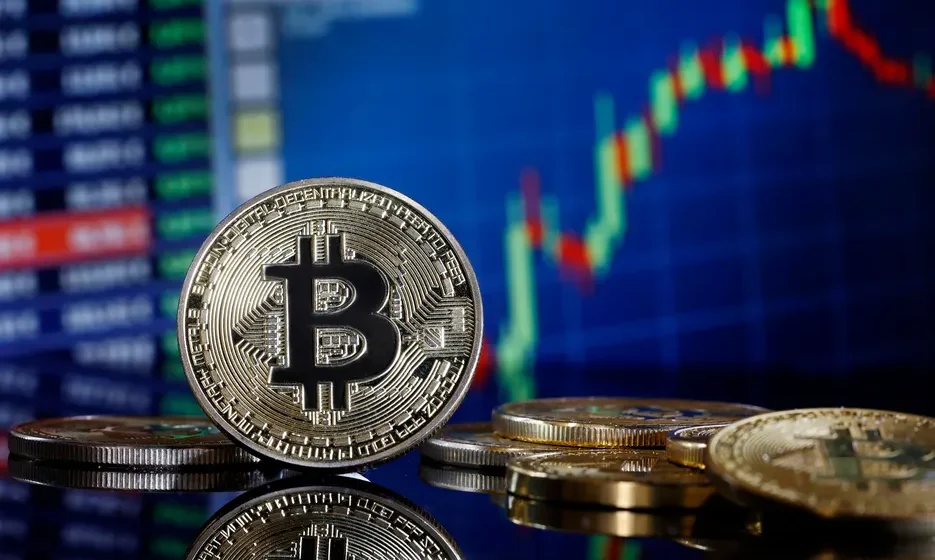

Bitcoin has strengthened its position as the leading digital asset after its share of the overall cryptocurrency market reached 58.36 percent in a mid July global market analysis published on July 15, 2026. With an estimated market capitalization of $1.29 trillion, the world’s largest cryptocurrency continues to widen the gap between itself and competing digital assets, including Ethereum. The latest figures reflect changing investor priorities as economic uncertainty, institutional participation, and capital preservation shape decision making across financial markets.
For many investors, the latest shift represents more than a simple change in percentages. Bitcoin’s growing share of the digital asset economy signals a broader preference for perceived stability within an industry that has experienced dramatic cycles of enthusiasm and correction. While thousands of cryptocurrencies remain active, market participants are increasingly concentrating their attention on assets with deeper liquidity, stronger infrastructure, and wider institutional acceptance.
Why Bitcoin’s Market Dominance Matters
Market dominance measures the percentage of the total cryptocurrency market value represented by a single digital asset. When Bitcoin’s dominance increases, it generally means investors are allocating more capital to Bitcoin than to alternative cryptocurrencies.
A dominance level exceeding 58 percent suggests that Bitcoin continues to serve as the primary destination for both retail and institutional money entering the digital asset market. While alternative coins frequently experience periods of rapid growth, those rallies often depend on favorable market sentiment and greater willingness among investors to accept higher levels of risk.
Bitcoin’s current position highlights a different investment environment. Rather than aggressively pursuing speculative opportunities, many investors appear focused on preserving value while maintaining exposure to the cryptocurrency sector.
A Market Capitalization Above One Trillion Dollars Carries Global Significance
A market capitalization of approximately $1.29 trillion places Bitcoin among the world’s largest financial assets. Its scale has reached a point where movements in its price are closely monitored not only by cryptocurrency traders but also by traditional financial institutions, asset managers, policymakers, and economists.
Growing institutional participation has played a significant role in strengthening Bitcoin’s market position. Pension funds, investment firms, family offices, and publicly traded companies increasingly evaluate Bitcoin alongside more traditional stores of value such as gold and government bonds.
This expanding institutional presence has contributed to greater market maturity. Larger investors often follow disciplined portfolio allocation strategies rather than emotional trading, reducing some of the volatility historically associated with digital assets.
Ethereum and Alternative Cryptocurrencies Face Greater Competition
Ethereum remains the second largest cryptocurrency by market capitalization and continues to support a broad ecosystem of decentralized finance, blockchain gaming, tokenized assets, and smart contract applications. Even so, Bitcoin’s expanding dominance suggests that capital is flowing into the market leader at a faster pace than into competing networks.
Several factors may explain this divergence. Investors often view Bitcoin as a simpler investment thesis because its primary purpose centers on serving as a scarce digital monetary asset. Ethereum, while technologically sophisticated, continues evolving through network improvements, application development, and changing competitive dynamics.
Many smaller cryptocurrencies also face growing pressure. Projects with limited adoption or uncertain long term utility often experience declining investor attention during periods when capital becomes more selective.
Global Macroeconomic Conditions Continue to Shape Investor Behavior
Economic developments outside the cryptocurrency sector remain one of the strongest influences on digital asset markets. Inflation expectations, central bank policy, government borrowing costs, geopolitical tensions, and currency fluctuations all affect investor appetite for risk.
When uncertainty increases across traditional financial markets, many investors reduce exposure to speculative assets while concentrating capital in investments viewed as relatively more resilient. Within the cryptocurrency industry, Bitcoin frequently benefits from this shift.
Recent macroeconomic conditions have encouraged investors to focus on liquidity and long term confidence rather than short term speculation. This broader trend appears consistent with Bitcoin’s rising share of the overall market.
Institutional Adoption Continues to Build Momentum
One of the most meaningful developments during the past several years has been the steady expansion of institutional infrastructure supporting Bitcoin. Custody services, regulated investment products, improved compliance frameworks, and sophisticated trading platforms have made participation easier for professional investors.
Financial institutions now have more tools for managing digital asset exposure while meeting regulatory and operational requirements. That infrastructure reduces many of the barriers that previously limited participation from larger market participants.
Educational resources provided by organizations such as CME Group and market research available through CoinMarketCap have also contributed to broader understanding of cryptocurrency market structure and digital asset performance.
Investor Psychology Often Favors Market Leaders
Financial markets frequently demonstrate a tendency for capital to concentrate around established leaders during uncertain periods. Investors seeking confidence often choose assets with longer operating histories, stronger brand recognition, and greater liquidity.
Bitcoin benefits from each of these characteristics. Since its launch in 2009, it has survived multiple market crashes, regulatory debates, technological changes, and shifting economic conditions. That history provides many investors with a greater sense of familiarity compared with newer digital assets.
This does not guarantee future performance, but it does help explain why Bitcoin often attracts fresh investment when broader market confidence becomes more cautious.
Could Altcoins Regain Momentum?
Periods of rising Bitcoin dominance have historically been followed by times when alternative cryptocurrencies outperform. Market participants often refer to these cycles as changes in capital rotation rather than permanent shifts.
If investor confidence improves and economic conditions become more supportive of higher risk investments, Ethereum and other digital assets could once again attract stronger inflows. Advances in blockchain technology, decentralized finance, artificial intelligence integration, tokenized financial products, and enterprise adoption may also support renewed interest across the broader cryptocurrency ecosystem.
Still, any recovery among alternative cryptocurrencies would likely depend on sustained investor confidence rather than short lived speculative enthusiasm.
What Individual Investors Should Consider
Bitcoin’s growing market share highlights the importance of balancing opportunity with risk management. Investors should remember that cryptocurrency markets remain volatile despite increasing institutional participation.
- Diversification continues to reduce concentration risk within investment portfolios.
- Long term investment decisions generally benefit from disciplined planning rather than emotional reactions to market movements.
- Understanding the purpose and technology behind each digital asset remains essential before committing capital.
- Macroeconomic developments often influence cryptocurrency prices alongside blockchain specific news.
Many experienced investors focus less on daily price fluctuations and more on broader adoption trends, regulatory developments, network security, and long term demand.
Looking Ahead
Bitcoin’s climb to 58.36 percent market dominance represents more than another milestone for the cryptocurrency industry. It reflects changing investor preferences during a period marked by economic uncertainty and growing institutional participation. With an estimated market capitalization of $1.29 trillion, Bitcoin continues to reinforce its role as the benchmark digital asset against which the broader cryptocurrency market is measured.
Whether this trend continues will depend on several interconnected factors, including global monetary policy, investor confidence, technological innovation, regulatory clarity, and the pace of adoption across financial institutions. For now, Bitcoin stands firmly at the center of the digital asset economy, extending its lead while much of the cryptocurrency market searches for its next direction.