

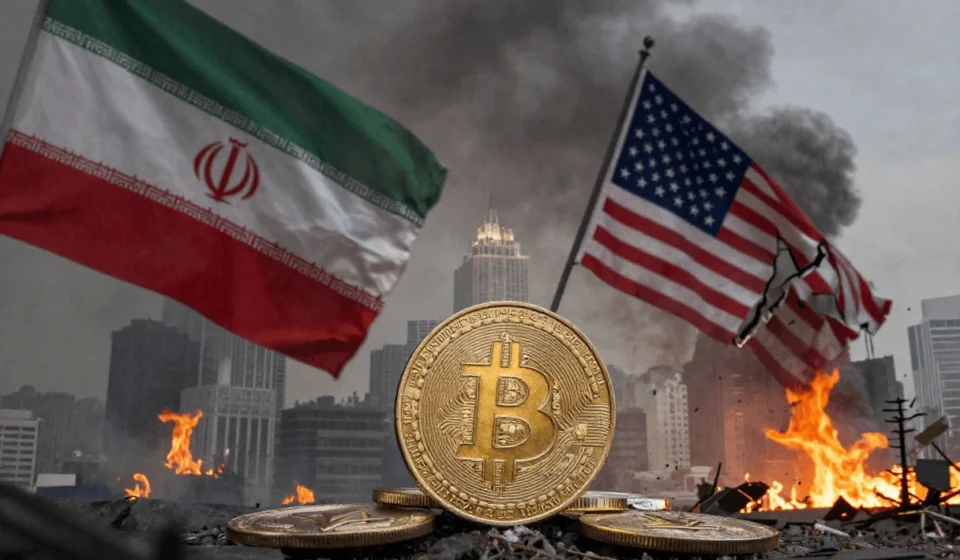

Fresh military tensions involving Iran and the United States sent a wave of anxiety across global financial markets on July 13, 2026, triggering a sharp decline in digital asset prices as investors rushed toward safer investments. Renewed missile strikes connected to the Strait of Hormuz reignited fears about energy security, global trade, and broader geopolitical stability. Within hours, cryptocurrencies that had recently enjoyed renewed momentum faced heavy selling pressure, reminding traders that digital assets remain deeply connected to worldwide economic sentiment during periods of uncertainty.
The reaction extended well beyond crypto exchanges. Equity markets weakened, oil prices climbed as traders anticipated possible disruptions to one of the world’s most strategically important shipping routes, and demand for traditional safe haven assets increased. For millions of cryptocurrency holders, the sudden reversal served as another reminder that even decentralized technologies cannot completely escape the influence of international politics.
Military Escalation Quickly Changed Investor Sentiment
The Strait of Hormuz remains one of the most vital maritime corridors on Earth, carrying a significant share of global oil exports every day. Whenever conflict threatens traffic through this narrow passage, investors immediately reassess financial risks across multiple asset classes.
The latest exchange of missile strikes between American and Iranian forces intensified concerns that regional instability could spread further across the Middle East. While energy markets reacted first because of possible supply disruptions, cryptocurrency markets soon followed as traders reduced exposure to assets generally viewed as carrying greater risk during periods of geopolitical uncertainty.
This pattern has become increasingly familiar over recent years. Digital currencies often benefit when investors seek alternatives to traditional banking systems during long term economic uncertainty. Yet immediate military conflict frequently produces the opposite effect because traders prioritize liquidity and capital preservation over speculative growth opportunities.
Why Cryptocurrency Prices Fell So Quickly
Many newer investors still assume cryptocurrencies operate independently from traditional finance. Reality has become far more complex as institutional participation has expanded across digital asset markets.
Large investment firms, hedge funds, pension managers, and exchange traded products now hold substantial cryptocurrency positions. When major geopolitical events increase financial uncertainty, these institutions frequently reduce exposure across multiple markets simultaneously. That process can create synchronized selling in stocks, technology companies, and cryptocurrencies alike.
Several factors combined to accelerate the latest decline.
- Growing fears of wider regional conflict.
- Higher oil prices raising inflation concerns.
- Investors moving funds into government bonds, gold, and cash.
- Automatic liquidations triggered by leveraged crypto trading positions.
- Reduced appetite for speculative investments across global markets.
Once leveraged positions begin closing automatically, selling pressure often increases rapidly as exchanges liquidate collateral to cover losses. This chain reaction can amplify relatively modest market declines into much larger price swings within a short period.
Bitcoin and Major Digital Assets Felt the Pressure
Bitcoin once carried a reputation as digital gold, leading some investors to believe it would consistently perform as a safe haven during international crises. Market behavior over recent years has presented a more nuanced picture.
During sudden geopolitical shocks, Bitcoin frequently trades more like a technology focused growth asset than a traditional store of value. Investors seeking immediate stability often move toward cash, short term government debt, or precious metals before returning to higher risk investments once uncertainty begins to fade.
Ethereum and many alternative cryptocurrencies experienced even steeper declines because they generally carry greater volatility than Bitcoin. Tokens connected with decentralized finance, gaming, artificial intelligence, and meme communities also experienced broad based selling as traders reduced speculative exposure.
The widespread retreat reflected changing market psychology rather than concerns about blockchain technology itself. Network activity continued operating normally even as prices fluctuated sharply.
Energy Markets Added Another Layer of Concern
The relationship between oil prices and cryptocurrency markets may appear indirect at first glance, yet both increasingly respond to the same macroeconomic forces.
Any disruption involving the Strait of Hormuz raises concerns about global energy supplies. Higher energy costs can increase inflation, making central banks less likely to reduce interest rates. Higher borrowing costs generally place pressure on risk assets, including digital currencies.
Businesses also face increased transportation expenses when fuel prices climb. Consumers may reduce discretionary spending, slowing economic activity and encouraging investors to adopt more defensive financial strategies.
Readers interested in the strategic importance of the waterway can explore the United States Energy Information Administration overview of the Strait of Hormuz, which explains why developments in the region often influence markets around the globe.
Institutional Investors Continue to Shape Crypto Volatility
The cryptocurrency market has matured considerably since its early years. Large financial institutions now represent a much greater share of trading volume than retail investors alone.
That shift has produced both benefits and challenges. Greater institutional participation has improved liquidity, increased regulatory engagement, and expanded mainstream adoption. At the same time, it has strengthened connections between cryptocurrencies and broader financial markets.
When international crises emerge, portfolio managers frequently rebalance holdings across many asset classes according to predetermined risk management strategies. Cryptocurrency positions increasingly become part of those portfolio adjustments, contributing to synchronized price movements with global equities.
This evolving relationship illustrates that digital assets are no longer isolated financial instruments operating outside traditional economic systems. Instead, they have become integrated into the broader investment landscape.
Long Term Adoption Story Remains Intact
Despite the immediate market turbulence, industry analysts continue pointing toward longer term structural developments supporting digital asset adoption.
Governments continue exploring central bank digital currencies. Financial institutions keep expanding blockchain based settlement systems. Major technology firms remain active in tokenization research, while regulated investment products continue attracting new participants during calmer market conditions.
Blockchain networks themselves continued processing transactions throughout the geopolitical turmoil without interruption. That operational resilience illustrates the distinction between market prices and the underlying technology powering decentralized systems.
Investors seeking reliable educational material about blockchain technology and digital assets may find valuable background information through the Bank for International Settlements, which regularly publishes research covering digital finance and monetary innovation.
Managing Risk During Geopolitical Uncertainty
Periods of heightened international tension often test investor discipline more than investment strategy. Emotional decision making frequently produces costly mistakes, especially when headlines change rapidly throughout the trading day.
Experienced market participants generally focus on portfolio diversification, position sizing, and long term objectives instead of reacting impulsively to every geopolitical development. While volatility can create opportunities, it also carries substantial downside risk for investors using borrowed funds or concentrated positions.
For newer cryptocurrency holders, the recent market reaction illustrates the importance of understanding that digital assets remain influenced by macroeconomic events, monetary policy expectations, institutional investment flows, and international security developments.
What Markets May Watch Next
Attention will likely remain focused on diplomatic efforts, military developments across the Middle East, shipping activity through the Strait of Hormuz, and movements in global energy markets. Investors will also monitor statements from central banks and financial regulators for clues about how prolonged instability could influence inflation expectations and future interest rate decisions.
Should tensions ease, cryptocurrencies may recover alongside broader risk assets as investor confidence returns. If hostilities expand, additional volatility could emerge across equities, commodities, foreign exchange markets, and digital assets alike.
The events of July 13, 2026, demonstrated once again that cryptocurrency markets exist within a deeply interconnected global financial system. Blockchain technology may operate without centralized control, yet investor psychology remains closely tied to international events that shape confidence, economic expectations, and perceptions of risk. Until geopolitical uncertainty subsides, digital asset markets are likely to remain highly sensitive to every significant development emerging from one of the world’s most strategically important regions.